
In today’s fast-paced world, many people spend hours sitting at desks, commuting, or working from home. This sedentary lifestyle often leads to muscle loss, decreased metabolism, and joint stiffness. Strength training is one of the most effective ways to counter these issues. By incorporating regular resistance exercises into your routine, individuals of all ages can improve their physical health, enhance daily functionality, and boost overall well-being. Whether you’re a young adult looking to build muscle, a middle-aged professional aiming to maintain strength, or someone recovering from an injury, the benefits of strength training are clear and measurable.
Table of Contents
Who Can Benefit from Strength Training?
Strength training isn’t just for bodybuilders or athletes—it’s suitable for almost everyone:

- Young adults: Enhance muscle mass, athletic performance, and posture
- Middle-aged individuals: Maintain bone density, support metabolism, and prevent muscle loss
- Older adults: Improve balance, reduce the risk of falls, and maintain independence
- Special groups: People recovering from injuries or those who sit for long hours can regain mobility and strength
Imagine a busy professional incorporating fitness routines into their evening schedule at home, or an older adult performing safe, guided exercises at a community gym. These real-life examples highlight how such routines can seamlessly fit into different lifestyles and age groups, helping individuals stay active and healthy.
The Key Benefits of Strength Training
Integrating this type of training into your routine provides numerous advantages:
- Increase muscle mass and reduce fat: Boosts metabolism and supports weight management
- Strengthen bones and joints: Reduces risk of osteoporosis and joint pain
- Enhance cardiovascular health: Supports heart function and circulation
- Improve functional strength: Makes daily tasks like lifting, climbing stairs, or carrying groceries easier
- Boost mental health: Helps reduce stress, improve mood, and promote better sleep
Studies consistently show that individuals who incorporate this form of training into their routines enjoy improved longevity and quality of life.
Why You Should Incorporate Strength Training into Your Routine
Many people focus solely on cardio, neglecting the unique benefits of strength training. Resistance exercises complement aerobic workouts by building lean muscle, improving endurance, and enhancing overall fitness. Some exercises can be made more effective by using strength training equipment, which helps increase resistance, improve technique, and provide better results.
Practical examples include:
- Gym sessions: Using guided devices or simple tools for balanced muscle development
- Home workouts: Bodyweight exercises enhanced with basic equipment for added intensity
- Outdoor activities: Functional training with minimal equipment for strength, stability, and mobility
By combining these approaches, physical conditioning becomes a sustainable part of everyday life.
Common Mistakes and Misconceptions About Strength Training
Despite its benefits, many avoid or perform it incorrectly:
- Neglecting resistance exercises: Relying only on cardio and missing out on muscle and bone health
- Improper technique: Performing movements incorrectly can lead to injury
- Incorrect load selection: Too light produces minimal gains, too heavy risks strain or injury
- Skipping warm-up or cooldown: Increases risk of muscle tears or joint stress
- Overtraining without adequate rest: Prevents recovery and reduces effectiveness
Understanding these pitfalls and addressing them early ensures that your training is safe and effective for everyone.
Different Types of Strength Training
Bodyweight exercises: Push-ups, squats, lunges; no equipment needed
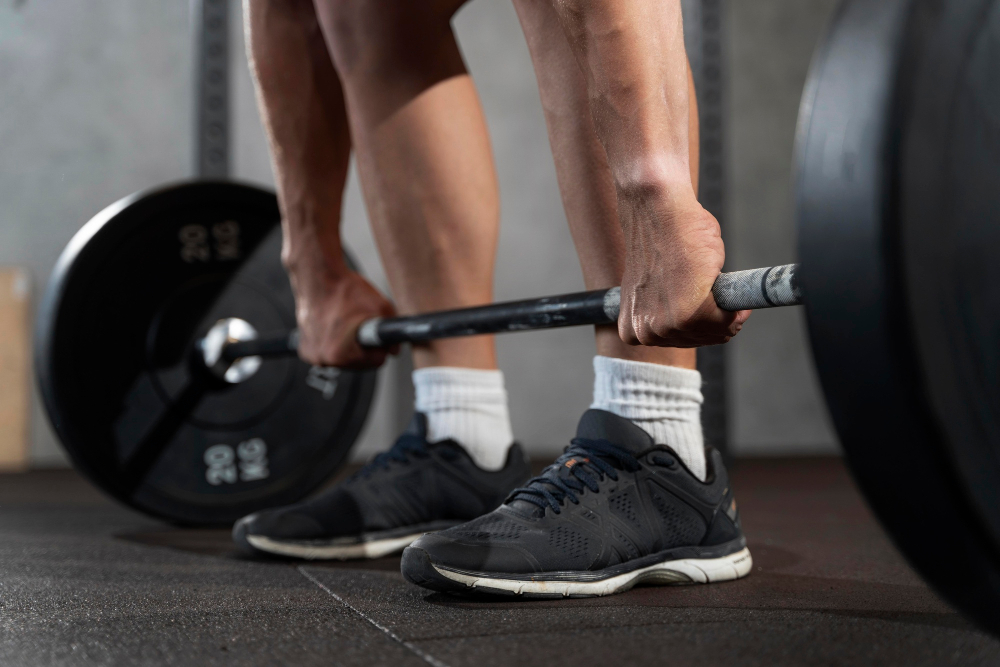
Free weights & resistance tools: Certain exercises benefit from strength training equipment to safely increase load and enhance muscle engagement
Machines & guided systems: Some movements can be performed more effectively with equipment that supports correct form, especially for beginners or rehabilitation purposes
Resistance bands & functional aids: Using elastic bands or functional training tools helps improve flexibility, coordination, and core strength
Note: Incorporating simple equipment can make exercises safer, more challenging, and more efficient without the need for specialized devices.
Creating an Effective Training Plan
A professional approach to building strength includes:
- Setting clear goals: Muscle gain, fat loss, or functional fitness
- Training frequency: 2–4 times per week depending on goals
- Exercise selection: Core lifts combined with accessory movements
- Progress tracking: Gradually increasing resistance to continue growth and avoid plateaus
- Regular evaluation ensures that your training routine remains effective and tailored to your individual needs.
Conclusion
Whether for young adults, busy professionals, or older individuals, strength training is crucial for building a healthier, more functional body. By addressing common mistakes, understanding its benefits, and incorporating it into daily routines—optionally using strength training equipment for enhanced results—anyone can achieve improved strength, balance, and overall well-being. Start today with safe, effective exercises and make this form of training a core part of your lifelong fitness journey.