
Introduction
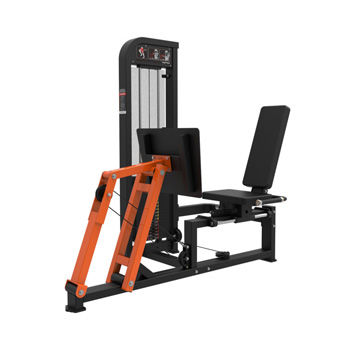
In the realm of strength training, the leg press machine stands as a cornerstone for developing lower body strength and muscular endurance. This article delves into why leg press machines are indispensable tools in any gym or home workout routine. We will explore their benefits, proper usage techniques, common misconceptions, and address frequently asked questions surrounding these machines.
Benefits of Leg Press Machines
Targeted Muscle Groups
Leg press machines effectively target major muscle groups including the quadriceps, hamstrings, glutes, and calves. These machines allow users to adjust foot placement on the platform, enabling them to emphasize different muscle groups. For instance, placing the feet higher on the platform primarily engages the hamstrings and glutes, while placing them lower targets the quadriceps more intensely. This versatility makes leg presses an invaluable tool for balanced lower body development.
Safety and Support
One of the significant advantages of leg press machines is their inherent safety features compared to free-weight exercises like squats. The machine’s guided movement reduces the risk of injury by providing stability throughout the exercise. This aspect is particularly beneficial for beginners who may struggle with maintaining proper form in free-weight exercises. Furthermore, the seat and back support in leg press machines help in maintaining spinal alignment, reducing strain on the lower back.
Progressive Overload
Leg press machines facilitate progressive overload, a fundamental principle in strength training where muscles are gradually exposed to increased resistance over time. Users can easily adjust the weight load by adding or removing plates, allowing for incremental strength gains without compromising form. This ability to control resistance makes leg presses suitable for individuals at various fitness levels, from beginners to advanced lifters seeking hypertrophy.
Functional Strength Development
The strength gained from leg press exercises translates into improved performance in various activities, from everyday tasks to athletic endeavors requiring explosive lower body power. Strong quadriceps and glutes are essential for activities such as running, jumping, and lifting objects from the ground. By targeting these muscle groups, leg presses contribute to overall functional strength and mobility.
Time Efficiency
Leg press machines offer a time-efficient alternative to complex compound exercises like squats. Unlike squats, which require coordination and balance, leg presses allow users to isolate and focus solely on lower body muscles. This efficiency is particularly advantageous in busy gym environments or for individuals with limited time for workouts.
Proper Usage Techniques
To maximize the benefits of leg press machines and reduce the risk of injury, proper technique is essential:
- Adjust the Seat Position: Ensure the back is comfortably supported against the seat and the knees are aligned with the machine’s axis.
- Foot Placement: Position feet shoulder-width apart on the platform to engage the quadriceps evenly. Experiment with different foot placements for varied muscle emphasis, such as wider or narrower stances.
- Range of Motion: Lower the platform until the knees are at approximately 90 degrees, avoiding excessive flexion or hyperextension. This range optimizes muscle engagement while minimizing stress on the knee joints.
- Breathing Technique: Inhale before lowering the platform and exhale as you push the weight away, maintaining a controlled breathing pattern throughout the exercise to enhance oxygen flow and muscle endurance.
Common leg press machines
| Type of Leg Press Machine | Description |
|---|---|
| Plate-Loaded Leg Press | Uses weight plates for resistance, allowing users to adjust the load by adding or removing plates. Offers flexibility in resistance levels and accommodates varying strength levels. |
| Sled-Style Leg Press | Features a sled mechanism that moves along a track. Provides smoother movement and reduces friction, making it suitable for users who prefer a more controlled motion. |
| Vertical Leg Press | Positions the user vertically with the legs pushing upward against resistance. Targets similar muscle groups as horizontal leg presses but offers a different angle of engagement. |
| Seated Leg Press | Provides back and hip support with a seated position. Ideal for individuals with lower back concerns or those who prefer additional stability during the exercise. |
Common Misconceptions About Leg Press Machines
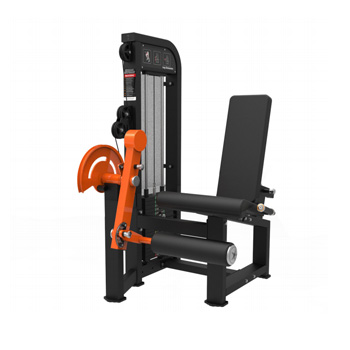
Myth: Leg Presses are Ineffective Compared to Squats
A common misconception is that leg presses are inferior to squats in building lower body strength. While squats engage multiple muscle groups and promote overall stability, leg presses offer a controlled environment for isolating specific muscle groups with adjustable resistance. Both exercises complement each other and can be integrated into a well-rounded workout routine to achieve comprehensive lower body strength.
Myth: Leg Presses Cause Knee Problems
Concerns about knee strain during leg press exercises often stem from improper technique or excessive weight. When performed correctly, leg presses can actually reduce strain on the knee joints by maintaining proper alignment and controlled movement. It is crucial to start with lighter weights and gradually increase resistance to avoid overloading the knees.
Conclusion
Leg press machines remain essential for strength training due to their ability to effectively target major lower body muscle groups, provide safety and support, facilitate progressive overload, and save time. Whether you are a beginner or an experienced lifter, integrating leg presses into your workout routine can enhance muscle development, functional strength, and overall fitness levels. By mastering proper technique and understanding the benefits of these machines, individuals can achieve balanced lower body strength while minimizing the risk of injury. Embrace the versatility of leg press machines and reap the rewards of a stronger, more resilient lower body.
FAQ
Q:How Often Should I Use the Leg Press Machine?
A:Ideally, incorporate leg press exercises into your routine 1-3 times per week, depending on your fitness goals and overall program structure.
Q:Can Leg Presses Replace Squats?
A:While leg presses are beneficial, they should not entirely replace squats in a comprehensive lower body workout regimen. Both exercises offer unique benefits that complement each other.
Q:What Are the Different Types of Leg Press Machines?
A:There are various types, including plate-loaded leg press machines, sled-style leg presses, and seated leg presses. Each type offers different functionalities and resistance options.