
Introduction
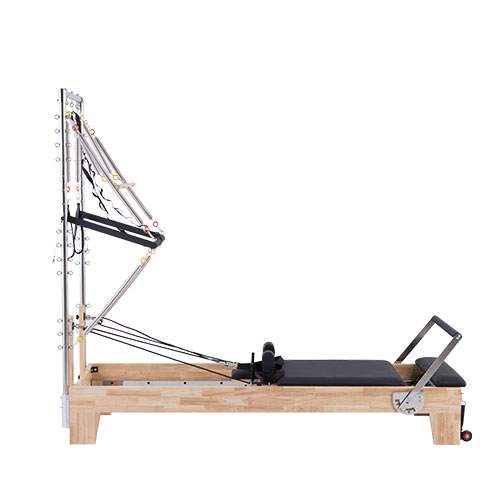
In the realm of Pilates, the reformer tower stands as an extension of the traditional reformer machine, offering an expanded range of exercises and challenges that elevate the Pilates experience. This versatile apparatus, with its array of pulleys, cables, and attachments, provides a unique platform for strengthening, lengthening, and enhancing overall fitness. Whether you’re a seasoned Pilates practitioner or a curious newcomer, the Pilates reformer tower promises an invigorating and rewarding workout.
Delving into the Pilates Wood Reformer With Tower
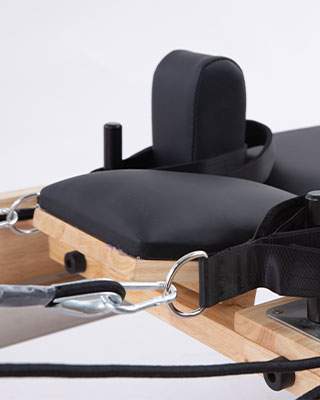
The Pilates reformer tower, also known as the Cadillac or Tower Attachment, is a modular addition to the reformer machine. It consists of a vertical frame equipped with pulleys, cables, and a variety of attachments, including bars, handles, straps, and platforms. These components work in conjunction to provide a diverse range of resistance and movement options, expanding the repertoire of exercises and challenges beyond those achievable on the reformer alone.
Benefits of the Pilates Reformer Tower
Incorporating the Pilates reformer tower into your Pilates practice offers a multitude of benefits:
- Enhanced Strength and Flexibility: The tower’s resistance and movement variations target a wider range of muscles, promoting both strength development and flexibility improvement.
- Improved Posture and Balance: The tower exercises engage the core muscles and enhance proprioception, leading to improved posture, balance, and coordination.
- Versatility and Challenge: The tower’s versatility allows for a wide range of exercises, catering to various fitness levels and goals.
- Full-Body Workout: Tower exercises engage multiple muscle groups simultaneously, providing a comprehensive full-body workout.
Exploring the Pilates Reformer Tower Exercises
The Pilates reformer tower opens up a world of exercise possibilities, ranging from beginner-friendly movements to advanced challenges. Some popular tower exercises include:
- Standing Pull-Ups: These exercises target the back, shoulders, and arms, promoting upper body strength and stability.
- Tower Dips: This exercise strengthens the triceps, chest, and shoulders while engaging the core.It also helps improve overall upper body strength and stability.
- Side-Lying Leg Extensions:This exercise targets the outer thigh muscles, improving hip stability and leg strength.The outer thigh muscles, also known as the abductors, play a crucial role in stabilizing the hips during movement. By targeting these muscles, you can improve your overall hip stability, which can help prevent injuries and improve your balance.
- Hanging Leg Circles: This exercise strengthens the core and improves hip flexibility and range of motion.This exercise is great for improving balance and stability as well.
- Seated Straps Rows: This exercise targets the back, shoulders, and biceps while engaging the core.Focus on maintaining proper form throughout the movements to maximize the effectiveness of the exercise. Remember to breathe steadily and engage your muscles with control. Be mindful of any discomfort and adjust the weight or range of motion as needed. Stay consistent with your workouts to see progress and improvements in strength and muscle definition.
Incorporating the Pilates Reformer Tower into Your Routine
To safely and effectively incorporate the Pilates reformer tower into your routine, consider these tips:
- Seek Guidance: Seek instruction from a certified Pilates instructor to learn proper form and technique for tower exercises.
- Start Gradually: Begin with beginner-level exercises and gradually progress to more challenging variations as your strength and flexibility improve.
- Listen to Your Body: Pay attention to your body’s signals and avoid overexertion.
- Focus on Quality over Quantity: Prioritize proper form and technique over the number of repetitions.
- Enjoy the Journey: Embrace the challenges and rewards that the Pilates reformer tower offers.
Comparison of Pilates Reformer Tower Exercises
To illustrate the variety of exercises you can perform on a Pilates Reformer Tower, we’ve compiled a table comparing some of the exercises, their focus, and the muscle groups they target.
| Exercise | Focus | Muscle Groups Targeted |
|---|---|---|
| Push-Through | Lower body strength | Glutes, hamstrings, quadriceps |
| Teasers | Abdominal strength | Rectus abdominis, obliques |
| Pull-Over | Upper body strength | Pectorals, deltoids |
| Spine Stretch | Spinal flexibility | Spinal erectors, lower back |
| Standing Cable Pull | Full body integration | Total body |
| Arm Work with Springs | Arm and shoulder strength | Biceps, triceps, shoulders |
Conclusion
The Pilates reformer tower stands as a testament to the versatility and adaptability of Pilates. Its ability to challenge and engage the body in new and exciting ways makes it an invaluable addition to any Pilates practitioner’s repertoire. With proper instruction, guidance, and a commitment to safe and effective practice, the Pilates reformer tower can unlock a world of fitness possibilities, leading to enhanced strength, flexibility, and overall well-being. Embrace the challenge, explore the exercises, and experience the transformative power of the Pilates reformer tower.
FAQ
Q: Is the Pilates wood reformer with tower suitable for beginners?
Yes, the Pilates reformer tower offers exercises suitable for beginners, provided proper instruction and guidance are received from a certified Pilates instructor.
Q: What are the safety precautions when using the Pilates reformer tower?
Always follow the instructor’s directions, maintain proper form, and avoid overexertion. Ensure the tower is properly assembled and maintained.
Q: How often should I use the Pilates reformer tower?
Aim for 2-3 Pilates sessions per week, allowing for rest and recovery between sessions.
Q: What are the contraindications for using the Pilates reformer tower?
Consult with your healthcare provider before starting Pilates, especially if you have any pre-existing injuries or medical conditions.