
Introduction
Alpine skiing requires tremendous leg power, endurance, balance and coordination to conquer those double black diamond runs. While hitting the slopes is ideal training, adding focused dry-land conditioning via a specialized piece of equipment called the ski row machine can boost skiing capacities immensely.
This guide explores how the motions and resistance provided by ski row machines can transform skiers of all abilities through:
- Enhancing Core Skiing Muscle Groups
- Building Cardiovascular Endurance
- Allowing Technique Practice Anytime
- Preventing Harmful Imbalances or Overuse
- Supplementing On-Snow Training
Incorporating ski row machine workouts into annual fitness regimes will unlock dramatic improvements in strength, stamina and injury resilience for ski season.
Ski Row Machine:Developing Primary Skiing Muscles
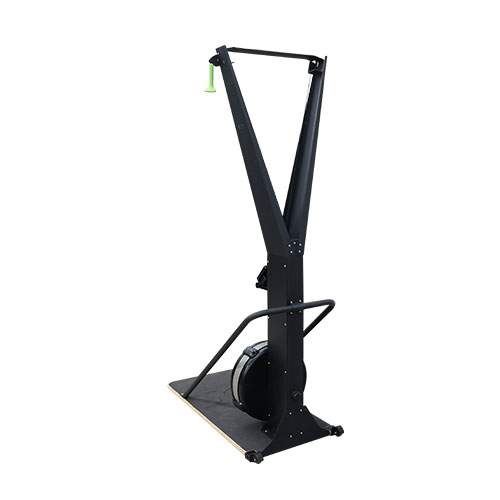
The ski row machine features sliding footplates that simulate ski/pole pushing motions thereby overloading the key muscle complexes vital for performance:
- Quadriceps: Front thigh responsible for edge control.
- Glutes: Crucial for powering through turns.
- Core: Provides stability and transfers energy.
- Shoulders/Arms: Power pole plants for pace.
Unlike squats or cycling, this multi-faceted focus spatially mimics on-snow muscle recruitment patterns. The resistance knob also allows gradually progressing overload as strength builds.
Table 1: Major Muscle Groups Targeted Using a Ski Row Machine
| Muscle Group | Ski-Specific Function |
|---|---|
| Quadriceps | Controlling edge angles |
| Glutes | Generating turning forces |
| Core | Facilitating balance and transfers |
| Shoulders/Arms | Transmitting pole thrusts |
Boosting Cardiorespiratory Capacities
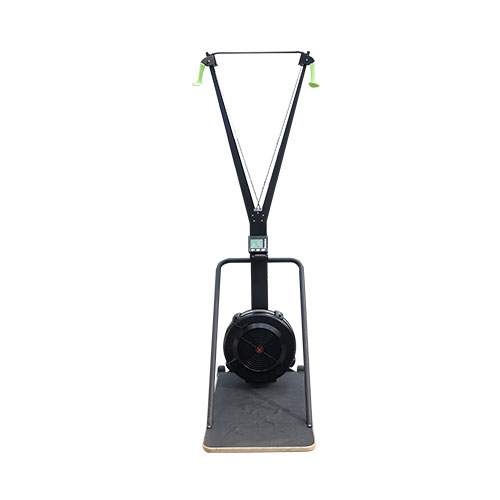
The back-and-forth rowing movement on the equipment elevates heart rate rapidly while promoting full rhythmic breathing cycles. This simultaneously develops the cardiovascular and pulmonary capacities required to ski lengthy runs without getting winded. Consistent rower training enhances stamina and resilience against fatigue.
Refining Technique Anytime, Anywhere
Unlike treadmills, ski row machines allow consciously perfecting proper stance, weight transfers, leg sequencing and poling timing in a controlled environment at anytime all year round. This engrains excellent form and coordination habits that get instinctively translated onto snow. The more disciplined attendees also derive motivation from data feedback.
Preventing Harmful Overuse and Imbalances
Since both legs and arms factored into the rowing motion, ski rowers build balanced strength across agonist and antagonist groups compared to single limb dominant machines. This averts asymmetry and disproportionate loading which commonly seeds nagging pains and sport injuries.
Ideal for Cross-Training Variety
The muscles trained and heart/lung improvements from ski rowing machines beautifully supplement cycling, running and actual on-snow practice. Varying seasonal preparation this way provides well-rounded fitness while preventing burnout or adaptation. The hip mobility and range-of-motion from rowing also boosts recovery.
Conclusion
In summary, adding ski row machine training delivers quantifiable ski-specific performance benefits unmatched by general training alternatives. The integrated mechanical muscle recruitment, endurance conditioning and neuromuscular refinement powered via motivational data feedback offers the ideal centralized cross-training tool for skiers pushing boundaries. Start rowing to expand your winter potential today!
FAQ
Q: What are the main advantages of a ski rowing machine over indoor cycling or running?
A: The multi-limb simultaneous workout better mimics actual ski motions and balances development across opposing muscle groups.
Q: Is a ski row machine effective cardio training for skiing compared to the treadmill?
A: Yes, the smooth rhythmic poling and gliding actions elevate heart rate excellently while promoting biomechanical efficiency gains too.
Q: How frequently must one train on a ski rower to enhance performance?
A: 2 to 3 progressive sessions weekly in the off-season supplementary to on-snow training best develops ski-specific strength and conditioning.