
Introduction
The leg press machine is a staple in many gyms, offering a powerful way to build and strengthen the lower body. This versatile piece of equipment targets a wide range of leg muscles, including the quadriceps, hamstrings, glutes, and calves, making it an excellent choice for athletes and fitness enthusiasts alike. In this comprehensive guide, we’ll explore the ins and outs of using a leg press machine, from setting up and performing the exercise correctly to maximizing its benefits for your fitness goals.
Understanding the Leg Press Machine
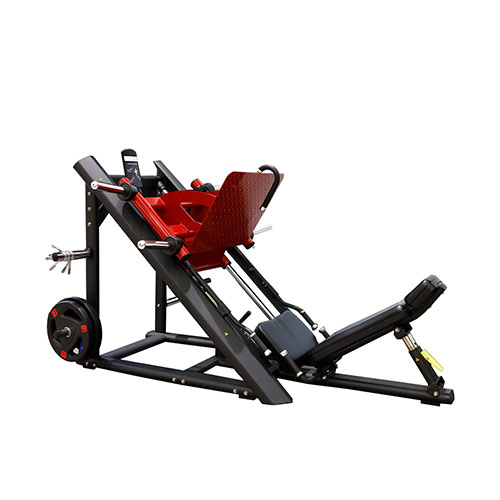
The leg press machine is a weight training apparatus that allows users to perform the leg press exercise, a compound movement that engages multiple muscle groups in the lower bodyThis exercise is especially effective for targeting the quadriceps, hamstrings, and glutes. By adjusting the weight and foot placement on the machine, users can customize the intensity and focus of their leg press workout. Additionally, the leg press machine provides a safe and controlled environment for performing heavy leg presses, making it a popular choice among gym-goers looking to build lower body strength and muscle mass..
Benefits of Using a Leg Press Machine
Using a leg press machine comes with several benefits, such as:
Targeting Multiple Muscle Groups: The leg press exercise works the quadriceps, hamstrings, glutes, and calves, making it an efficient way to train the lower body.
Adjustable Resistance: Most leg press machines allow for adjustable resistance, enabling users to increase or decrease the weight as needed.
Reduced Impact on Joints: Compared to some other lower body exercises, the leg press places less stress on the joints, making it a good option for individuals with joint issues.
Improved Balance and Stability: Performing the leg press exercise requires balance and coordination, which can help improve overall stability.
Versatility: Leg press machines often have attachments that allow for additional exercises, such as calf raises or single-leg presses.
How to Use a Leg Press Machine
Setting Up
- Adjust the Seat: Position the seat so that your legs are at a 90-degree angle when the weight is resting on the stack.
- Set the Safety Rails: Ensure the safety rails are locked in place to prevent the weight from falling.
- Choose the Weight: Select an appropriate weight for your fitness level.
Performing the Leg Press
Foot Placement: Place your feet shoulder-width apart on the platform, with your toes slightly pointed outward.
Gripping the Handles: Hold onto the handles beside you for support.
Brace Yourself: Take a deep breath and brace your core.
Push Through Your Heels: Push the weight away by extending your legs, pushing through your heels.
Control the Movement: Lower the weight slowly and control the descent to a 90-degree angle before pushing back up.
Tips for Maximizing the Benefits of Leg Press Machine
Progressive Overload
Gradually increase the weight or the number of repetitions to challenge your muscles and promote growth.Remember to listen to your body and give yourself adequate rest between workouts to allow for proper recovery. Pushing yourself too hard without enough recovery time can lead to injury and hinder your progress. Stay consistent with your routine and make adjustments as needed to continue seeing results. Keep pushing yourself to new limits and watch your strength and muscle mass increase over time.
Variations
Incorporate different variations of the leg press, such as single-leg presses or changing foot placement, to target different muscles.
Full Range of Motion
Ensure you’re using a full range of motion to fully engage the targeted muscles.
Proper Form
Maintain proper form throughout the exercise to avoid injury and maximize the effectiveness of the workout.
Comparison Table
Let’s compare the leg press machine to other popular lower body exercises:
| Exercise | Muscles Worked | Equipment Required | Joint Impact | Versatility |
|---|---|---|---|---|
| Leg Press | Quads, Hams, Glutes, Calves | Leg Press Machine | Low | High |
| Squats | Quads, Hams, Glutes, Calves | Barbell or Dumbbells | Moderate | High |
| Lunges | Quads, Hams, Glutes | Bodyweight or Dumbbells | Low | Medium |
| Calf Raises | Calves | Calf Raise Machine or Platform | Low | Low |
| Deadlifts | Quads, Hams, Back, Glutes | Barbell | High | High |
Conclusion
The leg press machine is a powerful tool for developing leg strength and muscle mass. By understanding how to use it properly and incorporating it into a well-rounded fitness routine, you can unlock your leg power and achieve your fitness goals. Remember to always prioritize proper form, start with a manageable weight, and gradually progress to avoid injury and maximize results.
FAQ
What are the primary muscles targeted when using a leg press machine?
The leg press machine primarily targets the quadriceps, hamstrings, and glutes. However, depending on foot placement and stance width, emphasis can be shifted to different muscle groups.
How does the leg press machine compare to squats in terms of effectiveness for leg development?
Both the leg press machine and squats are effective exercises for leg development. While squats engage more stabilizing muscles and offer functional benefits, the leg press machine can provide targeted muscle isolation and may be preferable for individuals with mobility issues or injuries.
Is there a recommended foot placement for optimal leg press performance?
The optimal foot placement on a leg press machine may vary depending on individual biomechanics and training goals. Generally, placing your feet shoulder-width apart and slightly higher on the footplate targets the quadriceps, while a wider stance engages the inner thighs and glutes to a greater extent.
Can the leg press machine be used for rehabilitation purposes?
Yes, the leg press machine can be utilized in rehabilitation settings under the guidance of a qualified healthcare professional. It allows for controlled movement patterns and adjustable resistance, making it suitable for gradually rebuilding strength and range of motion after injury or surgery.
How can I prevent lower back pain when using the leg press machine?
Lower back pain during leg press exercises can often be attributed to poor form or excessive loading. To prevent discomfort, focus on maintaining a neutral spine throughout the movement, avoid locking out the knees at the top of the press, and select a weight that allows for controlled repetitions without straining the lower back.