
In the evolving world of fitness technology, outfitting a high-end commercial facility or a minimalist home gym starts with understanding current treadmill types. The market has moved far beyond simple motorized belts; we now see a clear divide between high-intensity performance tools and smart, interactive entertainment hubs.
Selecting between various treadmill types requires a balance of training intent, space considerations, and desired user experience. This guide breaks down the primary categories to help you navigate the modern landscape of running technology.
Table of Contents
The Evolution of Modern Treadmill Types
The classic motorized unit remains a staple, but new specialized designs have emerged to cater to functional training and marathon preparation. For most users, the choice begins with the power source. Motorized versions offer consistent pacing, while unpowered, self-propelled models focus on metabolic demand and natural running mechanics.
The evolution of modern treadmill types is driven by two distinct paths: high-tech connectivity and raw mechanical efficiency. While performance athletes look for the latter, the general fitness enthusiast is increasingly drawn to integrated digital experiences.
Navigating Smart Treadmill Types: The Treadmill with Screen
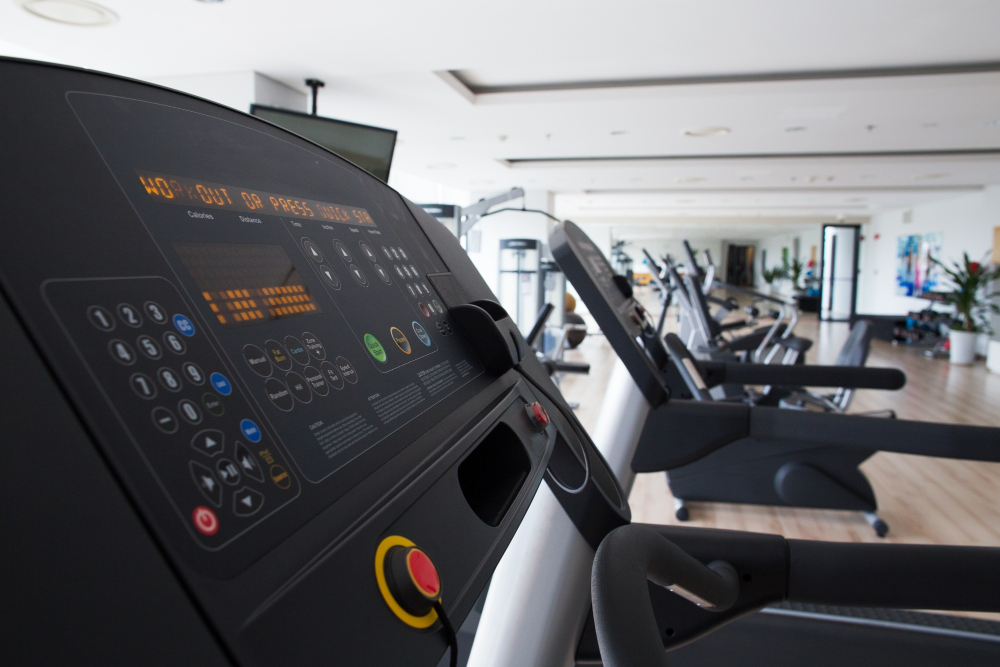
In the current digital age, a treadmill with screen is no longer a luxury—it is a standard for engagement. Models like the Intelligent Electric Treadmill ZF8600 integrate high-definition displays that do more than just show speed and distance. A modern treadmill with screen allows for immersive virtual trails, live-streamed coaching, and detailed biometric feedback.
Choosing smart treadmill types means investing in long-term motivation. The interactive nature of a treadmill with screen transforms a monotonous cardio session into an engaging experience. This integration is why these models are consistently ranked as the best choice for those seeking interactive home workouts without leaving their living room.
Exploring Unpowered Designs: The Power of the Curve
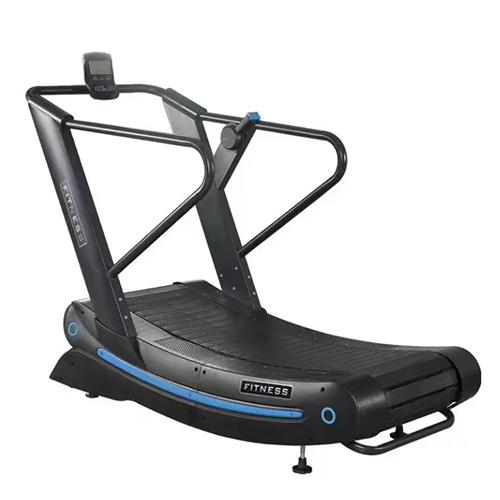
Among the most innovative treadmill types available today is the manual curved design, such as the ZF8700 Unpowered Treadmill. Unlike traditional flat belts, these treadmill types are powered entirely by the user’s movement. The curved deck encourages a mid-foot strike and engages more muscle groups, particularly the glutes and hamstrings, leading to a higher calorie burn per mile.
For athletes focusing on HIIT (High-Intensity Interval Training), manual curved units offer limitless speed potential. Since there is no motor to cap your pace, you can transition from a walk to an all-out sprint instantly, making them the preferred choice for explosive metabolic conditioning.
Matching Equipment to Your Training Environment
To simplify your decision-making process, we can categorize the most popular treadmill types based on their ideal setting. Commercial grade units are built for 24/7 operation, while home-specific models prioritize a smaller footprint and quieter operation.
| Equipment Category | Best For | Featured Model | Power Source |
| Manual Curved | HIIT & Form Correction | ZF8900 Curved | Self-Powered |
| Smart Electric | Interactive Home Workouts | P1010 Smart Motorized | Motorized |
| Commercial Grade | Professional Gyms | V18 Commercial | Heavy Duty Motor |
| Interactive Console | Entertainment & Coaching | ZF8600 with Screen | Motorized |
When comparing equipment for home gym use, shock absorption is a critical factor. Models like the T7 Shock Absorbing Treadmill utilize advanced cushioning systems to protect joints, making them superior to generic treadmill types found in big-box retail stores.
Technical Considerations for Long-Term Durability
The performance of different treadmill types is often dictated by their internal components. For motorized units, look for a “Continuous Duty Rating” (CHP) of at least 3.0 to ensure longevity during long runs. In contrast, when inspecting manual models, focus on the bearing quality and belt tension, as these dictate how smooth the self-propelled experience will feel over years of use.
Furthermore, the connectivity options in modern treadmill types have expanded significantly. A high-quality treadmill with screen should offer Bluetooth heart rate monitoring and compatibility with popular fitness apps. This connectivity ensures your equipment remains relevant as training software continues to evolve and offer new virtual environments.
Conclusion
Ultimately, investing in the right treadmill types is about aligning the tool with your specific lifestyle. If you crave data and community, a treadmill with screen like the ZF8600 is your best bet. If you want a rugged, electricity-free challenge that replicates outdoor running, the curved manual models will push your limits like nothing else.
By understanding the unique benefits of each category, you can make a confident decision that supports your long-term health and fitness journey.
FAQ
Are curved treadmill types harder to use than flat ones?
They require a short learning curve to balance your center of gravity, but they provide a more natural and calorie-intensive workout compared to flat treadmill types.
Can I stream my own content on a treadmill with screen?
Most premium smart models now support integration with popular streaming platforms, allowing you to enjoy your favorite shows while tracking your performance metrics in real-time.