
Introduction
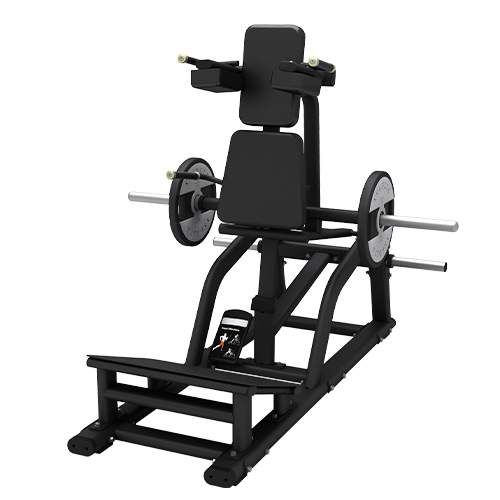
Type of squat racks is very important for us to do fitness,in this comprehensive guide, we’ll embark on an in-depth exploration of squat racks, covering a wide range of topics including their diverse types and the specific advantages each offers. Whether you’re in the process of assembling a personal fitness haven in the comfort of your home or seeking to equip a bustling commercial gym, having a thorough understanding of the available options is essential for making well-informed choices.
Throughout this guide, we’ll dissect the intricacies of different squat rack designs, shedding light on their functionalities, features, and suitability for various fitness environments. By providing detailed insights into the pros and cons of each type, we aim to empower you to select the ideal squat rack that aligns perfectly with your space, budget, and workout preferences.
Table of Contents
Understanding the Importance of Squat Racks
Understanding the importance of squat racks is crucial for anyone serious about strength training and overall fitness. These versatile pieces of equipment provide a stable and secure platform for performing various lower body exercises, with the squat being the primary focus. By providing support and guidance throughout the movement, squat racks help ensure proper form and technique, reducing the risk of injury while maximizing the effectiveness of each workout session.
Moreover, squat racks offer a level of safety that is unmatched when lifting heavy weights. With adjustable safety bars or spotter arms in place, lifters can push their limits without fear of getting stuck under the barbell. This not only instills confidence but also encourages users to lift heavier weights and progress steadily in their strength training journey.
Exploring Traditional Squat Racks
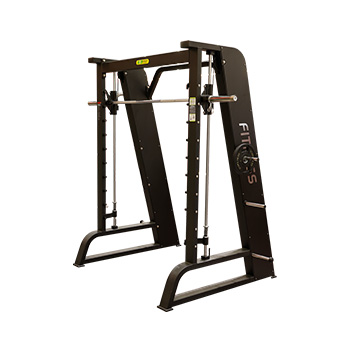
Features and design of traditional squat racks:
Traditional squat racks typically feature a sturdy steel frame with adjustable uprights and safety bars. The frame is designed to provide stability and support during heavy lifting, ensuring a safe workout environment. Many traditional squat racks also come with additional features such as J-hooks or bar catches, which allow for easy barbell placement and adjustment.
One of the key design elements of traditional squat racks is their versatility. They are often adjustable in height, allowing users to customize the rack to their specific needs and preferences. This flexibility makes them suitable for a wide range of exercises, including squats, bench presses, and overhead presses.
Pros and cons of using traditional squat racks:
Versatility: Traditional squat racks allow for a wide range of exercises, including squats, bench presses, and overhead presses, making them suitable for full-body workouts.
Customization: With adjustable uprights and safety bars, users can customize the rack to their specific height and exercise needs, ensuring a comfortable and effective workout.
Durability: Constructed from heavy-duty materials like steel, traditional squat racks are built to withstand heavy weight loads and frequent use, providing long-term durability and reliability.
Safety features: Traditional squat racks typically come equipped with safety pins or spotter arms to prevent accidents and injuries during workouts, enhancing user safety and confidence.
Cost-effective: Compared to other strength training equipment, traditional squat racks are often more affordable, offering a budget-friendly option for home gyms or commercial facilities.
Comparison of Different Types of Squat Racks:
| Type of Squat Rack | Features | Pros | Cons |
|---|---|---|---|
| Traditional Squat Rack | Basic design, affordable | Simple to use, space-saving | Limited functionality |
| Power Rack | Safety bars, plate storage, versatile | Offers safety features, allows for various exercises | Requires more space, higher cost |
| Half Rack | Compact design, suitable for small spaces | Versatile, space-saving | Limited functionality compared to power racks |
| Smith Machine | Fixed barbell, guided motion | Provides stability, suitable for beginners | Limits natural movement, less versatile |
| Specialty Squat Racks | Wall-mounted, foldable, adjustable | Space-saving, customizable | May lack some features of traditional racks |
Diving into Power Racks:
- Overview of power racks and their functionality.
- Advantages of using power racks for strength training.
- Considerations when selecting a power rack.
Examining Half Racks and Smith Machines:
- Characteristics of half racks and Smith machines.
- How half racks and Smith machines differ from traditional squat racks.
- Suitable applications and limitations.
Comparing Specialty Squat Racks:
- Overview of specialty squat racks such as wall-mounted racks, foldable racks, and adjustable racks.
- Unique features and benefits of specialty squat racks.
- Considerations for choosing the right specialty rack for your needs.
Conclusion
In this comprehensive guide, we embark on an exploration of the realm of squat racks, unraveling the nuances of the diverse array of options at your disposal and the distinctive advantages each brings to the table. Whether you’re in the process of crafting your own personal home gym sanctuary or endeavoring to equip a bustling commercial fitness establishment, delving into the intricacies of the various squat rack types will furnish you with the insights needed to navigate the decision-making process with confidence and clarity.
Squat racks, indispensable fixtures in any strength training setup, come in a multitude of forms, each tailored to accommodate specific preferences, space constraints, and workout objectives. By shedding light on the unique characteristics and functionalities of each type, we aim to empower you to select the perfect fit for your fitness endeavors.
FAQs
Q: What is the difference between a squat rack and a power rack?
A: While both are used for strength training, power racks typically offer more features such as safety bars and plate storage, whereas squat racks are more basic in design.
Q: Can I perform other exercises besides squats on a squat rack?
A: Yes, many squat racks are versatile and can be used for exercises like bench presses, shoulder presses, and more.
Q: How much space do I need for a squat rack?
A: The space requirements vary depending on the type of squat rack. Traditional squat racks may require less space than power racks, which have additional features.