
Table of Contents
Introduction
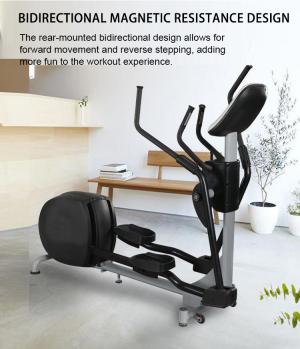
Equipping your gym means balancing budget with member satisfaction and long-term efficiency. While commercial elliptical machines are popular, cheap options carry hidden risks that can harm your gym’s reputation, member experience, and bottom line. Investing in fitness equipment is an investment in your business’s future.
At Vital, we know the balance of cost and quality. As an ISO/CE certified fitness equipment supplier, we provide reliable cardio and strength solutions. This post reveals five shocking reasons to avoid cheap commercial elliptical machines, helping you make smart choices that enhance your gym’s value.
The Hidden Costs of Cheap Commercial Ellipticals
The promise of a low upfront cost often masks a multitude of problems that emerge shortly after purchasing a cheap commercial elliptical machine. These issues quickly erode any perceived savings, transforming an initial bargain into a significant financial and operational burden.
1. Rapid Wear and Tear Leading to Frequent Breakdowns
One of the most immediate and glaring problems with a cheap commercial elliptical machine is its inherent lack of durability. Commercial gyms experience constant, heavy usage, with machines running for hours each day. Low-cost ellipticals are simply not built to withstand this relentless demand. They typically use inferior materials, such as thin-gauge steel, flimsy plastic components in critical stress points, and sub-standard bearings and bushings. This leads to accelerated wear and tear. Pivoting joints quickly loosen, frames become wobbly, and internal components fail prematurely.
The consequence is a cycle of frequent breakdowns. A machine that is constantly out of order frustrates members, leads to negative reviews, and creates a perception of poor quality within your facility. Each breakdown requires technician call-outs, expensive replacement parts, and prolonged downtime, all of which chip away at your profit margins. The cumulative cost of repairs and lost member satisfaction can quickly surpass the initial savings, proving that a cheap commercial elliptical machine is a false economy. Your members expect reliable equipment, and anything less directly impacts their loyalty and your gym’s reputation.
2. Compromised User Experience and Unnatural Stride
The core appeal of an elliptical is its smooth, low-impact stride that mimics natural running or walking. However, cheap commercial elliptical machine models often fail to deliver on this fundamental promise. They frequently feature poorly engineered stride paths, resulting in an unnatural, choppy, or jarring motion. The stride length might be fixed and unsuitable for a wide range of users, forcing taller individuals into a cramped movement and shorter users into an overextended one. This can lead to discomfort, awkward biomechanics, and even joint pain for your members, particularly in the knees, hips, and ankles.
Beyond the stride, the overall user experience is typically inferior. Consoles might be basic, unresponsive, or lack essential metrics. Handles might be poorly positioned or uncomfortable to grip. These seemingly minor issues combine to create a frustrating and unsatisfying workout experience. When members find machines uncomfortable or ineffective, they are less likely to use them, and might even seek out competing gyms that offer higher-quality equipment. A negative user experience with a cheap commercial elliptical machine can directly impact member retention and acquisition.
3. Limited Resistance and Workout Versatility

A high-quality elliptical offers a wide range of resistance levels and often incline adjustments, allowing users to tailor their workout intensity and target different muscle groups. A cheap commercial elliptical machine, by contrast, severely limits this versatility. The resistance system might be rudimentary, offering a narrow or inconsistent range of challenge. This means the machine may quickly become too easy for even moderately fit individuals, preventing them from achieving progressive overload necessary for fitness improvement.
Furthermore, these budget models often lack essential features like incline adjustments, varied workout programs, or accurate heart rate monitoring. This severely restricts the types of workouts your members can perform. HIIT sessions become less effective without rapid resistance changes, and targeted muscle conditioning is hampered. A lack of versatility means the machine cannot cater to the diverse fitness goals of your membership base, making it less valuable to a significant portion of your clientele. Your members expect a commercial elliptical machine that can grow with their fitness journey, not one that quickly becomes obsolete.
4. Safety Hazards and Increased Liability
Perhaps the most alarming reason to avoid a cheap commercial elliptical machine is the potential for safety hazards. Poor build quality directly translates to instability and a higher risk of accidents. Loose joints, wobbly frames, inadequate braking mechanisms, or flimsy pedal designs can lead to falls, muscle strains, or more serious injuries. In a busy commercial gym, where users might not always be paying full attention, a machine that is inherently unsafe puts your members at risk.
Beyond the immediate physical harm, such incidents can lead to significant liability issues for your gym. Lawsuits, insurance claims, and negative publicity stemming from equipment-related injuries can severely damage your gym’s reputation and financial stability. Investing in certified, robust equipment from reputable suppliers is a non-negotiable step in ensuring member safety and mitigating potential legal and financial repercussions. A cheap commercial elliptical machine is not just a cost-saving measure; it’s a potential liability waiting to happen.
5. Higher Long-Term Operational and Depreciation Costs
While the initial price of a cheap commercial elliptical machine is low, its long-term operational costs often prove to be substantially higher. Frequent breakdowns necessitate constant repair expenses, including technician fees, parts, and administrative time. The machine’s short lifespan means you’ll likely need to replace it much sooner than a high-quality counterpart, leading to repeated capital expenditures. This rapid depreciation means you get very little return on your initial investment when it’s time to upgrade.
In contrast, a well-built, higher-quality commercial elliptical machine, while more expensive upfront, offers significantly lower lifetime costs. It requires less frequent maintenance, breaks down less often, retains its value longer, and provides years of reliable service. This translates to lower operational expenses, greater financial predictability, and a better return on investment. The hidden costs of cheap equipment – from repairs and early replacement to lost revenue from dissatisfied members – quickly accumulate, making them an expensive liability rather than a saving.
Key Features to Prioritize in a Commercial Elliptical Machine
To avoid the pitfalls of cheap options, focus on these critical attributes when investing in a commercial elliptical machine.
| Feature | Description |
| Robust Frame & Build Quality | Essential for commercial settings. Look for heavy-gauge steel construction, welded joints, and a high user weight capacity (e.g., 350+ lbs) to ensure stability and durability under constant use. This directly correlates with longevity and safety. |
| Flywheel Weight & Design | A heavier, well-balanced flywheel (typically 25+ lbs for commercial models) ensures a smooth, consistent, and quiet elliptical motion. It provides fluid transitions between resistance levels and enhances the overall feel of the workout. Front-drive, rear-drive, or center-drive designs each offer a unique stride feel, so consider user preference. |
| Stride Length (Adjustable Preferred) | For a commercial setting catering to diverse users, an adjustable stride length (e.g., 18-24 inches) is highly beneficial. If fixed, a generous length (e.g., 20+ inches) is usually preferred to accommodate a wider range of heights comfortably. A natural, comfortable stride prevents joint strain. |
| Resistance System & Levels | Magnetic (ECB) resistance is standard for commercial models, offering quiet, smooth, and precise control. Ensure a wide range of resistance levels to challenge beginners to advanced users, along with consistent and reliable resistance delivery. |
| Ergonomic Pedal Design & Q-Factor | Pedals should be oversized, non-slip, and allow for natural foot placement. A narrow Q-factor (distance between pedals) is crucial for hip and knee alignment, reducing strain. Look for pedals that promote comfortable, biomechanically sound movement. |
| Console & Connectivity | A clear, intuitive, and durable console is vital. It should display key metrics (time, distance, speed, calories, heart rate, watts). Advanced models offer touchscreens, internet connectivity, virtual workouts, and entertainment options to enhance user engagement. Prioritize reliability and ease of use over excessive, unnecessary features. |
| Moving Handlebars & Upper Body Engagement | Ensure the moving handlebars allow for a comfortable and effective full-body workout. They should engage the arms, shoulders, and back in a fluid motion. Some models offer fixed handlebars for isolated lower-body workouts or balance. |
| Incline & Decline Features | Adjustable incline (and sometimes decline) significantly enhances workout versatility by targeting different muscle groups (e.g., glutes and hamstrings with higher incline) and simulating various terrains. This feature adds substantial value to a commercial elliptical machine. |
| Maintenance & Serviceability | Easy access to internal components for maintenance, durable parts, and readily available technical support are crucial for minimizing downtime. Look for machines with a reputation for low maintenance and strong post-sales support. |
| Warranty (Commercial Grade) | A robust commercial warranty (e.g., lifetime frame, 5-7 years parts, 2-3 years labor) is a strong indicator of manufacturer confidence in durability and protects your investment. Differentiate from home-use warranties. |
The True Cost of a Cheap Commercial Elliptical Machine
The perception that a lower initial price equals savings is a common fallacy in the fitness equipment industry. For a commercial elliptical machine, the “true cost” extends far beyond the purchase price, encompassing numerous hidden expenses and intangible damages.
Hidden Operational Costs
- Increased Energy Consumption: Some cheap ellipticals might not be as energy-efficient as higher-quality models, leading to slightly higher electricity bills over time.
- Constant Adjustments and Calibrations: Lower-quality sensors and components may require frequent recalibrations to ensure accurate feedback (speed, distance, calories), adding to staff workload.
- Safety Precaution Overhead: More frequent inspections and repairs are needed to ensure the safety of a cheap commercial elliptical machine, diverting staff time and resources.
Damage to Gym Reputation and Member Retention
The most significant non-monetary cost of a cheap commercial elliptical machine is the damage to your gym’s reputation. Members join gyms expecting reliable, functional equipment. When machines are frequently out of order, noisy, wobbly, or uncomfortable, it signals a lack of investment in their experience. This can lead to:
- Negative Word-of-Mouth: Dissatisfied members are likely to share their poor experiences, deterring potential new sign-ups.
- Increased Churn Rate: Members who consistently face broken or uncomfortable equipment are more likely to cancel their memberships and seek out competitors.
- Difficulty Attracting New Members: Online reviews and gym tours will quickly reveal the state of your equipment, influencing prospective members’ decisions.
A high-quality commercial elliptical machine contributes positively to your brand image, showcasing your commitment to member satisfaction and providing a premium fitness environment.
Investing in Member Safety and Satisfaction
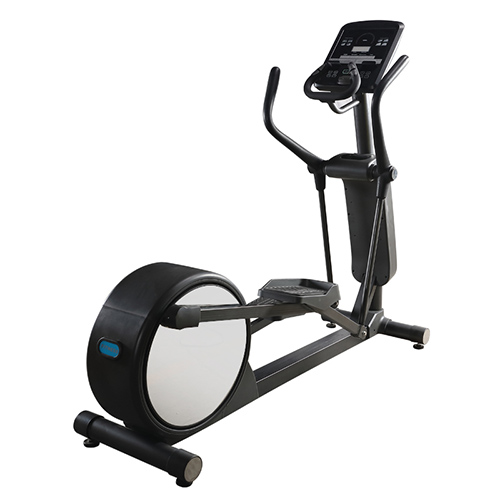
Beyond mere functionality, the choice of a commercial elliptical machine directly impacts the safety and satisfaction of your clientele. High-quality equipment is engineered with user safety as a paramount concern, incorporating features and materials designed to withstand rigorous use and prevent accidents. This includes robust frames that eliminate wobbling, precisely calibrated resistance systems that prevent sudden jerks, and ergonomic designs that promote proper biomechanics, reducing strain and injury risk.
Moreover, member satisfaction is intrinsically linked to the quality of the equipment. A smooth, comfortable, and engaging workout experience fosters loyalty and encourages consistent attendance. When members feel that your gym has invested in their well-being by providing reliable, high-performance machines, it strengthens their connection to your facility. This positive experience leads to higher retention rates, positive referrals, and a thriving fitness community. Prioritizing a quality commercial elliptical machine is thus an investment in the long-term health of both your members and your business.
Future-Proofing Your Investment
A savvy gym owner considers not just the immediate cost, but the long-term viability and return on investment. A cheap commercial elliptical machine is a short-term solution that leads to long-term problems.
Longevity and Resale Value
High-quality commercial ellipticals are built to last for years, even under heavy use. This extended lifespan means a lower total cost of ownership over time. Should you decide to upgrade or sell, a well-maintained, reputable brand commercial elliptical machine will retain a much higher resale value compared to a cheap model that quickly depreciates due to wear and perceived low quality. This foresight in investment protects your capital.
Adaptability to Future Fitness Trends
While the core function of an elliptical remains, higher-end models often have more sophisticated consoles that can be updated, or offer greater compatibility with evolving fitness apps and wearables. This makes them more adaptable to future technological advancements and changing member preferences, ensuring your commercial elliptical machine remains relevant and appealing for longer. A cheap model often lacks this flexibility, quickly becoming outdated.
Environmental Impact
Choosing durable equipment also aligns with environmental responsibility. Frequent replacement of cheap, disposable machines contributes to more waste. Investing in a long-lasting commercial elliptical machine reduces your gym’s environmental footprint, demonstrating a commitment to sustainability that can also appeal to environmentally conscious members.
Conclusion
Choosing a commercial elliptical machine means prioritizing value beyond the low price. Cheap options bring rapid wear, poor user experience, safety risks, and higher long-term costs, damaging your gym’s reputation. Investing in quality safeguards your members and your business.
At Vital, we empower gym owners with top-tier, ISO/CE certified commercial elliptical machines built for performance and longevity. Don’t compromise your gym’s future for short-term savings. Contact us today for reliable equipment and tailored advice.
FAQ
Why are commercial ellipticals so much more expensive than home models?
Commercial ellipticals are built to withstand continuous, heavy use in a gym setting, unlike home models designed for occasional use. They feature heavier gauge steel frames, higher-quality bearings, more robust drive systems, and more durable components, all contributing to their higher cost, longevity, and performance. A cheap commercial elliptical machine will likely lack these critical features.
How can I tell if a commercial elliptical machine is well-built?
Look for a heavy, stable frame (often steel), a high user weight capacity (350+ lbs), smooth and silent operation, minimal plastic components in high-stress areas, and a generous warranty (especially on the frame and parts). A heavy flywheel also generally indicates better build quality and a smoother ride.
What is the ideal stride length for a commercial elliptical machine?
For a commercial setting catering to diverse users, an adjustable stride length (e.g., 18-24 inches) is ideal. If fixed, a generous length (20+ inches) is generally preferred to comfortably accommodate most adult users, promoting a natural and effective stride for a commercial elliptical machine.
Will a cheaper commercial elliptical machine still provide a good workout?
While any elliptical can provide some level of workout, a cheaper commercial elliptical machine often compromises on stride naturalness, resistance consistency, and comfort. This can lead to less effective workouts, discomfort, and reduced motivation, ultimately limiting the quality and consistency of your members’ fitness routines.