
Introduction
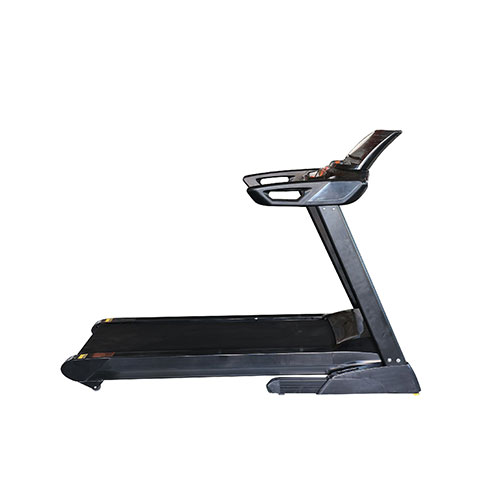
Treadmills have long been a cornerstone of cardio fitness equipment, providing an effective and convenient way to get your heart pumping and calories burning. However, recent technological advancements have introduced a new player to the scene: treadmills with handles. These innovative machines offer additional support and stability, making them appealing alternatives to traditional treadmills, especially for users with balance or mobility concerns. In this blog, we’ll delve into the nuanced differences between these two treadmill types, examining factors such as design, functionality, and user experience. By the end, you’ll have a clearer understanding of which treadmill style aligns best with your fitness goals and preferences.
Key Features of Treadmill with Handles
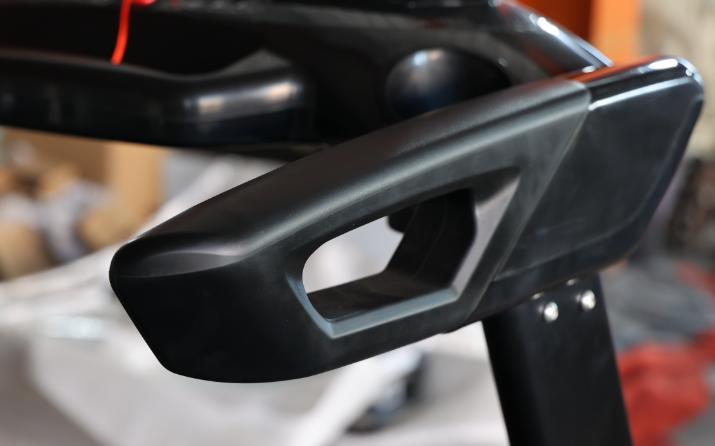
Treadmills with handles, often referred to as treadmill desks, offer a unique blend of fitness and functionality. Unlike traditional treadmills, these innovative machines are equipped with sturdy handles strategically positioned to provide users with extra support and stability while walking or running. Beyond their fitness benefits, these handles serve as convenient grips, offering users a secure hold during their workouts. Whether you’re looking to increase your daily step count or add some movement to your workday, treadmill desks provide a versatile solution that caters to both fitness enthusiasts and busy professionals alike.
Key Features of Traditional Treadmills
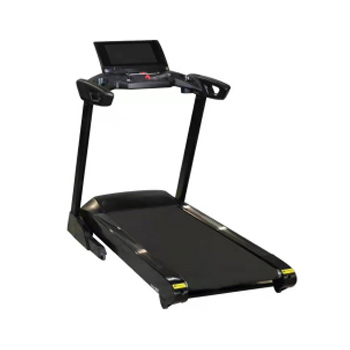
When it comes to traditional treadmills, there are several key features that set them apart and make them a popular choice for fitness enthusiasts. Here are some of the key features to consider when looking for a traditional treadmill:
Motor Power: One of the most important features of a traditional treadmill is its motor power. This determines the treadmill’s ability to handle various speeds and inclines. Look for a treadmill with a motor that suits your needs, whether you’re a beginner or an experienced runner.
Running Surface: The size and quality of the running surface are crucial for comfort and safety during workouts. Opt for a treadmill with a spacious and cushioned running deck to reduce impact on your joints and provide ample space for natural movement.
Incline and Decline Settings: Many traditional treadmills offer adjustable incline and decline settings, allowing you to simulate outdoor terrain and target different muscle groups. Look for a treadmill with a wide range of incline options to add variety to your workouts.
Console Features: The console of a traditional treadmill houses the controls and display screen. Look for intuitive controls and a user-friendly interface that allows you to easily adjust settings and track your progress. Features like built-in workout programs, heart rate monitoring, and entertainment options can enhance your overall treadmill experience.
Durability and Stability: A quality traditional treadmill should be built to last and withstand regular use. Look for a treadmill made from sturdy materials and equipped with a stable frame and wide base for added safety and stability during workouts.
Overall, traditional treadmills offer a reliable and effective way to improve cardiovascular fitness, burn calories, and achieve your fitness goals from the comfort of your own home or gym. By considering these key features, you can choose the perfect traditional treadmill to suit your needs and preferences.
Comparison Table: Treadmill with Handles vs. Traditional Treadmills
| Features | Treadmill with Handles | Traditional Treadmills |
|---|---|---|
| Stability | High | Moderate |
| Convenience | Easy to use | Versatile |
| Safety | Secure | Balance-dependent |
| Workout Options | Limited | Customizable |
| Price | Higher | Lower |
Pros and Cons of Treadmill with Handles:
- Pros: Enhanced stability, suitable for beginners, additional safety features.
- Cons: Limited workout options, higher price point.
Pros and Cons of Traditional Treadmills:
- Pros: Versatile workouts, customizable settings, lower cost.
- Cons: Requires balance and coordination, less stability compared to treadmills with handles.
Conclusion
In conclusion, when deciding between a treadmill with handles and a traditional treadmill, it’s essential to carefully consider your fitness goals, preferences, and individual needs. While a treadmill with handles offers added stability and support, particularly for beginners or those with balance concerns, a traditional treadmill provides more flexibility in terms of workout customization and typically comes at a lower cost.
Furthermore, traditional treadmills often offer a wider range of features and settings, such as adjustable incline and decline options, various workout programs, and advanced console features. These factors can contribute to a more dynamic and engaging exercise experience.
Ultimately, the choice between a treadmill with handles and a traditional treadmill depends on your specific requirements and priorities. Take the time to evaluate your fitness goals, budget, and the features that matter most to you before making a decision. By doing so, you can select the treadmill that best aligns with your needs and helps you achieve your fitness objectives effectively and comfortably.
FAQ
Q: What are the key advantages of using a treadmill with handles?
A: Treadmills with handles provide additional stability and support during workouts, making them suitable for users seeking enhanced balance and security.
Q: Are there specific fitness goals where a treadmill with handles is more beneficial?
A: Treadmills with handles are often recommended for individuals with balance concerns, beginners, or those who prioritize added safety features in their workouts.
Q: How do traditional treadmills differ in terms of workout customization compared to treadmills with handles?
A: Traditional treadmills offer more flexibility in workout customization, with features like adjustable incline, decline, and various workout programs to suit a diverse range of fitness levels.
Q: Is cost a significant factor when choosing between a treadmill with handles and a traditional treadmill?
A: Yes, cost is a consideration. Traditional treadmills are generally more budget-friendly, making them a preferred option for users looking for cost-effective yet versatile fitness equipment.
Q: Can users achieve similar fitness results with both types of treadmills?
A: Yes, both treadmill types can contribute to achieving fitness goals. The choice depends on individual preferences, safety concerns, and the desired level of workout customization.