
Table of Contents
Whether you use a treadmill for casual exercise or intense training, proper Treadmill maintenance is key to ensuring its longevity and consistent performance. Regular care can prevent common problems like belt slippage, motor overheating, and reduced speed, allowing your treadmill to function properly for years. In this article, we will explore the essential aspects of Treadmill maintenance that will help you maximize the lifespan of your equipment and keep it running smoothly.
Why Treadmill Maintenance Is Crucial
Neglecting Treadmill maintenance can result in poor performance, increased wear and tear, and even costly repairs. Regular maintenance ensures your treadmill is operating at its peak, providing a safe and effective workout every time.
Common Treadmill Issues Without Maintenance:
- Slipping or Sticky Belt: A worn-out or improperly tensioned belt can slip or cause friction, leading to an uncomfortable workout experience.
- Motor Issues: Dust, dirt, and debris can accumulate in the motor compartment, causing overheating and motor malfunction.
- Noisy Operation: Lack of maintenance can cause the treadmill to operate noisily due to friction or worn-out parts.
- Uneven Belt Alignment: Misaligned belts cause uneven wear, reducing the performance of your treadmill.
Routine Treadmill Cleaning for Optimal Performance
One of the simplest yet most important tasks in Treadmill maintenance is keeping the machine clean. Dirt, dust, and moisture can cause friction, wear on moving parts, and lead to overheating of the motor. Keeping your treadmill clean helps prevent these issues.
Cleaning Steps for Your Treadmill:
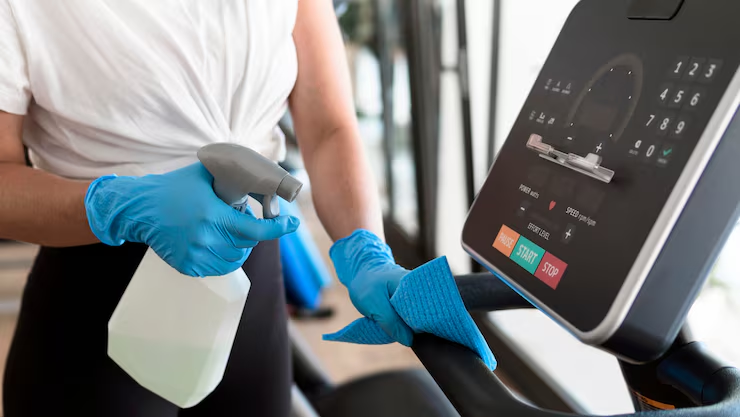
1.Unplug the Treadmill: Always unplug the treadmill before cleaning to ensure safety.
2.Wipe Down the Surfaces: Use a soft cloth to wipe the console, frame, and handrails. Avoid using harsh chemicals that may damage the machine.
3.Clean the Belt and Deck: Dust and dirt accumulate under the treadmill belt, which can affect its performance. Use a vacuum to clean around the deck and under the belt to ensure smooth operation.
4.Disinfect the Console: Wipe the console with a disinfectant wipe to kill germs, especially in shared spaces like gyms.
Lubricating the Treadmill Belt: Essential for Smooth Operation
Lubrication is a critical part of Treadmill maintenance that is often overlooked. Without proper lubrication, the treadmill belt can become stiff, causing it to slip or misalign. Applying the right lubricant ensures smooth operation and prevents excess friction, which can damage both the belt and motor.
How to Lubricate Your Treadmill Belt:
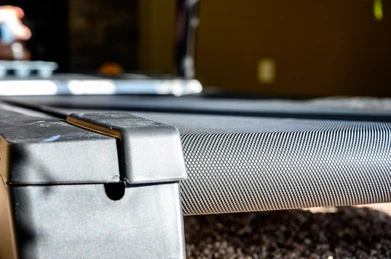
1.Lift the Belt: Use the tension screws to slightly raise the belt, exposing the treadmill deck underneath.
2.Apply Silicone Lubricant: Apply silicone-based lubricant (the type recommended by the manufacturer) evenly across the treadmill deck.
3.Spread the Lubricant: Run the treadmill at a low speed for a few minutes to ensure the lubricant spreads evenly across the surface.
4.Check Belt Tension: After lubricating, check that the belt tension is correct. If the belt is too loose or too tight, adjust it using the rear tension bolts.
Regular lubrication every 3-6 months keeps your treadmill running quietly and efficiently.
Adjusting Treadmill Belt Tension and Alignment
Misaligned or improperly tensioned belts can lead to many Treadmill maintenance issues, including slipping or jerking motions while walking or running. Belt tension should neither be too tight nor too loose, and proper alignment ensures smooth movement.
How to Adjust Tension and Alignment:
1.Check Tension: Press down gently on the belt. If it moves excessively, it’s likely too loose. Tighten it using the tension screws at the rear of the treadmill.
2.Align the Belt: If the belt drifts to one side, adjust the alignment bolts to realign it. This ensures that the belt moves evenly across the deck and prevents excess wear.
3.Test the Belt: After making adjustments, run the treadmill for a few minutes to ensure that the belt is running straight and without slipping.
Correct belt tension and alignment are essential for ensuring smooth operation and preventing unnecessary Treadmill maintenance problems.
Motor Care and Electrical System Inspection
The motor is the heart of your treadmill, and maintaining it is crucial for ensuring optimal performance. Dust and debris can accumulate in the motor compartment, causing it to overheat or malfunction.
Steps for Motor and Electrical System Maintenance:
1.Clean the Motor: Use a vacuum cleaner with a hose attachment to gently clean the motor area. Remove any dust that may have accumulated.
2.Inspect the Wiring: Regularly inspect the treadmill’s wiring for signs of fraying or wear. Damaged wiring can lead to electrical failures.
3.Lubricate Bearings (if necessary): If your treadmill’s motor has bearings that require lubrication, refer to the manufacturer’s manual for instructions.
Proper motor maintenance reduces the risk of overheating and ensures a long lifespan for your treadmill.
Inspecting Treadmill Parts for Wear and Tear
As part of your Treadmill maintenance routine, it’s essential to regularly check the parts for wear and tear. Over time, components like the belt, rollers, and deck may degrade, affecting the performance and safety of the treadmill.
Parts to Inspect:
- Belt: Check for fraying, cracks, or other signs of damage. Replace the belt if necessary.
- Rollers: Inspect the rollers for smooth rotation. Stiff rollers can cause uneven wear on the belt and motor.
- Deck: Look for cracks or dents in the deck, which can affect the alignment of the belt.
By inspecting parts regularly, you can address minor issues before they become significant problems, keeping your treadmill running efficiently.
When to Call a Professional for Treadmill Maintenance
While many Treadmill maintenance tasks can be done by the owner, certain issues may require professional assistance. If you notice any persistent problems with the motor, electrical system, or need replacement parts, it’s a good idea to consult a technician.
Signs You Need Professional Help:
- Persistent motor issues or overheating
- Excessive noise from the treadmill
- Difficulty adjusting belt tension or alignment
- Major electrical failures
Professional technicians can help diagnose and repair complex problems, ensuring that your treadmill functions safely and effectively.
Conclusion: Keep Your Treadmill in Top Condition with Regular Maintenance
Proper Treadmill maintenance ensures that your equipment continues to provide a safe, effective, and enjoyable workout. By cleaning, lubricating, inspecting parts, and caring for the motor, you can extend the lifespan of your treadmill and avoid costly repairs. Following these maintenance tips will help you get the most out of your treadmill and enjoy smooth, consistent performance for years.
If you want to learn more about treadmill maintenance, please click here.