
Introduction
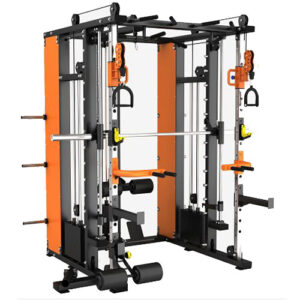
If you’re looking to enhance your leg strength and muscle mass, Smith machine squats should be an essential part of your training regimen. The Smith machine, a staple in modern gyms, offers a controlled and safe environment to perform squats and other exercises. This guide will provide comprehensive insights into Smith machine squats, including their benefits, proper techniques, common mistakes, and tips for maximizing your workouts.
What is a Smith Machine Squat?
Definition and Features
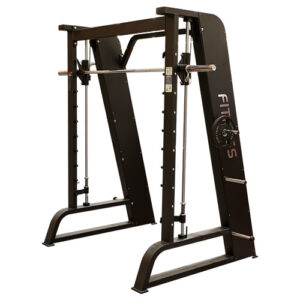
The Smith machine is a piece of gym equipment with a barbell fixed within steel rails that guide the bar’s vertical movement. This setup provides stability and safety, making it ideal for both beginners and advanced lifters. A Smith machine squat involves performing a squat using this machine, which supports the barbell and helps you focus on proper form.
Benefits of Smith Machine Squats
- Stability and Safety: The machine’s fixed path helps maintain balance and reduce the risk of injury.
- Targeted Muscle Activation: The controlled motion can enhance the engagement of specific leg muscles.
- Versatility: Allows for a variety of squat variations and modifications.
- Injury Rehabilitation: Ideal for those recovering from injuries due to its supportive nature.
How to Perform Smith Machine Squats Correctly
Setting Up the Smith Machine
- Adjust the Bar Height: Set the bar at chest level or slightly below, so you can easily unrack it while in a standing position.
- Position the Safety Stops: Set the safety stops to a height that allows a full range of motion but prevents the bar from dropping too low.
- Set Your Stance: Stand with your feet shoulder-width apart and position them slightly forward from the bar.
Performing the Squat
- Unrack the Bar: Position yourself under the bar, place it on your upper traps, and lift it off the rack by extending your legs.
- Lower Your Body: Bend your knees and hips to lower your body into a squat position. Keep your back straight and chest up.
- Push Back Up: Extend your legs and return to the starting position, fully engaging your glutes and quads.
Breathing Techniques
- Inhale: As you lower your body into the squat.
- Exhale: As you push yourself back up.
Common Mistakes to Avoid
Incorrect Foot Placement
Placing your feet too far forward or backward can lead to improper squat mechanics and potential strain on your knees or lower back.
Poor Bar Positioning
Ensure the bar is positioned correctly on your upper traps to avoid unnecessary pressure on your neck or shoulders.
Inadequate Range of Motion
Not going low enough in your squat can limit muscle engagement and reduce the effectiveness of the exercise.
Overloading the Bar
Using excessive weight can compromise form and increase the risk of injury. Always prioritize proper technique over heavy lifting.
Smith Machine Squat Variations
Narrow-Stance Squat
A narrow stance shifts the focus to your quadriceps. Position your feet closer together and maintain a more upright torso.
Wide-Stance Squat
A wider stance targets the inner thighs and glutes more intensely. Place your feet wider than shoulder-width apart and turn your toes out slightly.
Bulgarian Split Squat
Using one leg on the ground and the other elevated on a bench, this variation emphasizes single-leg strength and balance.
Sumo Squat
Similar to the wide-stance squat, but with a more pronounced external rotation of the hips, this variation further targets the inner thighs.
Sample Workout Routine
Beginner Routine
| Exercise | Sets | Reps | Rest Interval |
|---|---|---|---|
| Smith Machine Squats | 3 | 12-15 | 60 seconds |
| Lunges | 3 | 10-12 | 60 seconds |
| Leg Press | 3 | 12-15 | 60 seconds |
| Calf Raises | 3 | 15-20 | 60 seconds |
Advanced Routine
| Exercise | Sets | Reps | Rest Interval |
|---|---|---|---|
| Smith Machine Squats | 4 | 8-10 | 90 seconds |
| Bulgarian Split Squats | 4 | 8-10 | 90 seconds |
| Romanian Deadlifts | 4 | 8-10 | 90 seconds |
| Seated Calf Raises | 4 | 12-15 | 90 seconds |
Incorporating Smith Machine Squats into Your Routine
Frequency and Progression
Incorporate Smith machine squats 2-3 times a week, allowing for adequate recovery between sessions. Gradually increase weight and intensity to continue challenging your muscles and promoting growth.
Combining with Other Exercises
Pair Smith machine squats with complementary exercises like leg presses, lunges, and deadlifts for a well-rounded leg workout.
Tracking Progress
Keep a workout log to track your weights, sets, and reps. Regularly reassess and adjust your routine to ensure continued progress and prevent plateaus.
Conclusion
Smith machine squats offer a versatile and effective way to build leg strength and muscle. By understanding the proper techniques, avoiding common mistakes, and incorporating various squat variations, you can maximize the benefits of this exercise. Remember to pair your squats with a balanced routine and focus on progressive overload to achieve the best results.
FAQ
Q:What is the difference between Smith machine squats and free-weight squats?
A:Smith machine squats offer more stability and support compared to free-weight squats. Free-weight squats require greater balance and engage stabilizing muscles more intensely.
Q:Can Smith machine squats be used for injury rehabilitation?
A:Yes, Smith machine squats can be beneficial for injury rehabilitation due to their controlled movement, which minimizes the risk of aggravating injuries.
Q:How can I ensure I’m using the correct form?
A:Consult with a fitness professional or use video analysis to ensure proper form. Focus on maintaining a straight back, proper bar positioning, and a full range of motion.
Q:How often should I change my squat routine?
A:To avoid plateaus and continue making progress, consider changing your squat routine every 6-8 weeks. This can include altering the number of sets, reps, or the types of squats performed.
Q:Are there any alternative exercises to Smith machine squats?
A:Yes, alternatives include free-weight squats, leg presses, lunges, and Bulgarian split squats. Each exercise offers unique benefits and can be used to complement your Smith machine squat routine.