
Introduction
Squats are a cornerstone exercise in strength training and bodybuilding, known for their effectiveness in building lower body strength and muscle mass. Different squat machines offer a range of benefits, catering to various fitness levels, goals, and preferences. This ultimate guide will explore the various types of squat machines, their benefits, and how to choose the right one for your needs. By the end of this article, you’ll have a comprehensive understanding of the different squat machines available and how they can enhance your workout routine.
Understanding Squat Machines
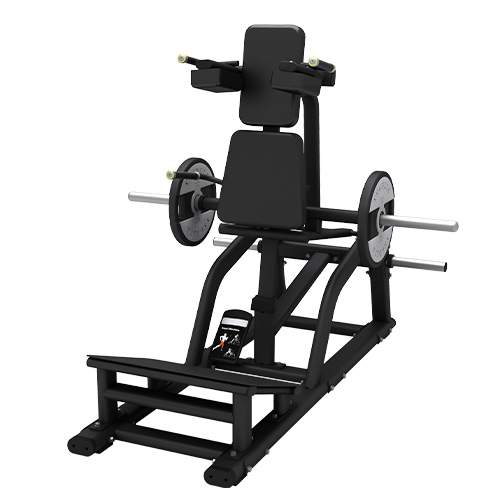
What Are Squat Machines?
Squat machines are specialized pieces of gym equipment designed to assist and enhance the squatting exercise. They provide support, improve form, and can help target specific muscle groups more effectively. These machines vary in design, functionality, and the type of resistance they offer.
Benefits of Using Squat Machines
Different squat machines offer numerous benefits, including:
- Improved Form: Squat machines guide your movements, ensuring proper form and reducing the risk of injury.
- Targeted Muscle Engagement: Different machines can help focus on specific muscle groups, such as the quadriceps, hamstrings, glutes, and calves.
- Varied Resistance: Machines provide various resistance levels, allowing for progression and increased strength over time.
- Support and Stability: For beginners or those with mobility issues, squat machines offer the necessary support to perform squats safely.
Types of Squat Machines
Smith Machine
The Smith machine is a versatile piece of equipment found in most gyms. It consists of a barbell fixed within steel rails, allowing for vertical movement only. This design provides stability and helps maintain proper form during squats.
Key Features of the Smith Machine
- Guided Movement: The fixed bar path ensures stability and correct form.
- Safety Stops: Adjustable safety stops prevent the barbell from dropping too low, reducing the risk of injury.
- Versatility: Can be used for various exercises, including squats, bench presses, and rows.
Hack Squat Machine
The hack squat machine is designed specifically for performing squats with a focus on the quadriceps. It involves a sled that moves along an angled track, with your back against a pad and shoulders under pads for support.
Key Features of the Hack Squat Machine
- Quadriceps Focus: Targets the front of the thighs effectively.
- Back Support: Reduces strain on the lower back by providing support.
- Fixed Movement Path: Ensures proper form and reduces the risk of injury.
Leg Press Machine
While not exclusively a squat machine, the leg press machine allows for a squatting motion while seated or lying down. It targets the lower body muscles, similar to squats, but provides a different angle and resistance.
Key Features of the Leg Press Machine
- Seated Position: Provides support for the back and reduces spinal load.
- Adjustable Resistance: Allows for progressive overload and muscle growth.
- Versatile Angles: Can target different muscle groups by adjusting foot placement.
Sissy Squat Machine
The sissy squat machine is a unique piece of equipment designed to isolate the quadriceps. It involves a pad that supports the calves and a foot plate to keep your feet stable, allowing for deep knee bends.
Key Features of the Sissy Squat Machine
- Quadriceps Isolation: Emphasizes the front of the thighs.
- Minimal Equipment: Compact and easy to use, suitable for home gyms.
- Deep Squat Capability: Allows for a greater range of motion and muscle engagement.
Belt Squat Machine
The belt squat machine uses a belt around the waist to apply resistance, taking the load off the spine and allowing for a more comfortable squatting experience. It targets the lower body effectively without putting pressure on the upper body.
Key Features of the Belt Squat Machine
- Spine Relief: Reduces spinal load, making it ideal for those with back issues.
- Lower Body Focus: Effectively targets the legs and glutes.
- Comfortable Design: The belt distributes weight evenly, reducing discomfort.
Comparing Different Squat Machines
Table: Comparison of Different Squat Machines
| Squat Machine | Primary Target Muscle | Support Level | Ideal For | Key Benefits |
|---|---|---|---|---|
| Smith Machine | Quadriceps, Glutes | High | Beginners, Stability Seekers | Guided movement, safety stops |
| Hack Squat Machine | Quadriceps | Medium | Bodybuilders, Quadriceps Focus | Back support, fixed movement path |
| Leg Press Machine | Quadriceps, Glutes | High | All Levels, Versatility | Seated position, adjustable resistance |
| Sissy Squat Machine | Quadriceps | Low | Home Gyms, Isolation Training | Quadriceps isolation, deep squat |
| Belt Squat Machine | Glutes, Hamstrings | Medium | Back Issues, Lower Body Focus | Spine relief, comfortable design |
Choosing the Right Squat Machine for You
Assessing Your Fitness Goals
When choosing a squat machine, it’s essential to consider your fitness goals and how each machine aligns with them. For instance, if you’re looking to build overall leg strength and stability, the Smith machine or leg press machine might be ideal. Conversely, if you aim to isolate and build the quadriceps, the hack squat machine or sissy squat machine would be more suitable.
Considering Your Experience Level
Your experience level with strength training and squatting should also influence your choice. Beginners may benefit from the guided movement and safety features of the Smith machine, while more advanced users might prefer the flexibility and targeted focus of the hack squat or sissy squat machines.
Evaluating Space and Budget
Space and budget constraints are practical considerations, especially for home gyms. The leg press machine and Smith machine require more space and a higher investment, while the sissy squat machine and belt squat machine are more compact and budget-friendly.
Optimizing Your Workout with Squat Machines

Proper Form and Technique
Regardless of the squat machine you choose, maintaining proper form is crucial for maximizing benefits and preventing injuries. Here are some tips for proper squat technique:
- Align Your Body: Ensure your feet are shoulder-width apart, and your knees track over your toes.
- Engage Core Muscles: Keep your core tight to support your spine and maintain balance.
- Control the Movement: Perform the squats in a slow, controlled manner, focusing on the muscle contraction.
Progressive Overload
To continue making progress, it’s essential to incorporate the principle of progressive overload. Gradually increase the weight or resistance on the squat machine to challenge your muscles and stimulate growth.
Incorporating Variety
Using different squat machines in your routine can help target various muscle groups and prevent plateaus. Consider rotating between machines like the Smith machine, hack squat machine, and leg press to keep your workouts diverse and effective.
Conclusion: Different Squat Machines
Different squat machines offer unique benefits and cater to various fitness levels and goals. By understanding the features and advantages of each type, you can make an informed decision on which squat machine is best suited for your needs. Whether you’re a beginner seeking stability or an advanced lifter aiming to target specific muscle groups, there’s a squat machine that can enhance your workout and help you achieve your fitness objectives.
FAQ
What are the main benefits of using different squat machines?
Different squat machines provide various benefits, including improved form, targeted muscle engagement, varied resistance, and support for those with mobility issues.
Which squat machine is best for beginners?
The Smith machine is ideal for beginners due to its guided movement and safety features, which help maintain proper form and reduce the risk of injury.
Can squat machines replace free weight squats?
While squat machines offer many benefits, they should complement, not replace, free weight squats. Free weight squats engage more stabilizing muscles and provide a more comprehensive workout.
How often should I use squat machines in my workout routine?
Incorporate squat machines into your routine 2-3 times per week, ensuring you allow adequate rest and recovery for your muscles between sessions.
Are squat machines safe for individuals with back problems?
Certain squat machines, like the belt squat machine, are designed to reduce spinal load and can be a safer option for individuals with back issues. Always consult with a healthcare professional before starting any new exercise regimen.
What muscle groups do different squat machines target?
Different squat machines target various muscle groups:
- Smith Machine: Quadriceps, glutes, and hamstrings.
- Hack Squat Machine: Primarily the quadriceps.
- Leg Press Machine: Quadriceps, glutes, and hamstrings.
- Sissy Squat Machine: Isolates the quadriceps.
- Belt Squat Machine: Glutes and hamstrings with reduced spinal load.
Can different squat machines help with rehabilitation or physical therapy?
Different squat machines can be beneficial for rehabilitation or physical therapy as they provide support and stability, allowing individuals to perform squats safely. However, it’s essential to consult with a healthcare professional or physical therapist before incorporating different squat machines into a rehabilitation program.