
Introduction
Air bike workouts have gained immense popularity in recent years due to their effectiveness in providing a full-body workout. Whether you are a beginner or a seasoned athlete, incorporating air bike exercises into your fitness routine can help you achieve your fitness goals faster. In this comprehensive guide, we will explore the techniques, benefits, and tips for maximizing the effectiveness of air bike workouts.
Benefits of Air Bike Workouts

Air bike workouts offer a wide range of benefits for individuals looking to improve their cardiovascular fitness, build muscle strength, and burn calories. Some of the key benefits of air bike workouts include:
Improved Cardiovascular Health: Air bike workouts are excellent for improving cardiovascular endurance, as they engage the entire body and elevate the heart rate.
Full-Body Workout: Unlike traditional stationary bikes, air bikes engage both the upper and lower body, making them a great choice for individuals looking to tone and strengthen multiple muscle groups simultaneously.
Calorie Burning: Air bike workouts are highly effective in burning calories due to the intense nature of the exercise. This makes them a great option for individuals looking to lose weight or maintain a healthy body composition.
Low-Impact Exercise: Air bike workouts are gentle on the joints, making them suitable for individuals with joint pain or injuries. The smooth, circular motion of the pedals reduces the risk of impact-related injuries.
Versatile Workout Options: Air bikes offer a variety of workout options, allowing you to customize your workout based on your fitness goals. Whether you prefer high-intensity interval training (HIIT) or steady-state cardio, air bikes can accommodate a wide range of workout styles.
Techniques for Effective Air Bike Workouts
Maximizing the Fitness Benefits of an Air Bike, it is essential to use proper techniques and form. Here are some tips for performing air bike exercises effectively:
Adjust the Seat Height: Before starting your workout, adjust the seat height to ensure that your legs are fully extended at the bottom of each pedal stroke. This will help prevent strain on your knees and optimize your pedaling efficiency.
Maintain Proper Posture: Sit upright with your back straight and shoulders relaxed while pedaling. Avoid leaning forward or slouching, as this can lead to back pain and reduce the effectiveness of the workout.
Engage Your Core: To stabilize your body and maintain balance during the workout, engage your core muscles throughout the exercise. This will help improve your posture and prevent unnecessary strain on your lower back.
Use Both Arms and Legs: Air bikes are designed to engage both the upper and lower body, so make sure to use your arms as well as your legs while pedaling. This will help distribute the workload evenly and provide a full-body workout.
Focus on Breathing: Proper breathing technique is essential during air bike workouts to ensure optimal oxygen intake and energy output. Take deep breaths in through your nose and exhale slowly through your mouth to maintain a steady flow of oxygen to your muscles.
Parts that can be Exercised on an Air Bike
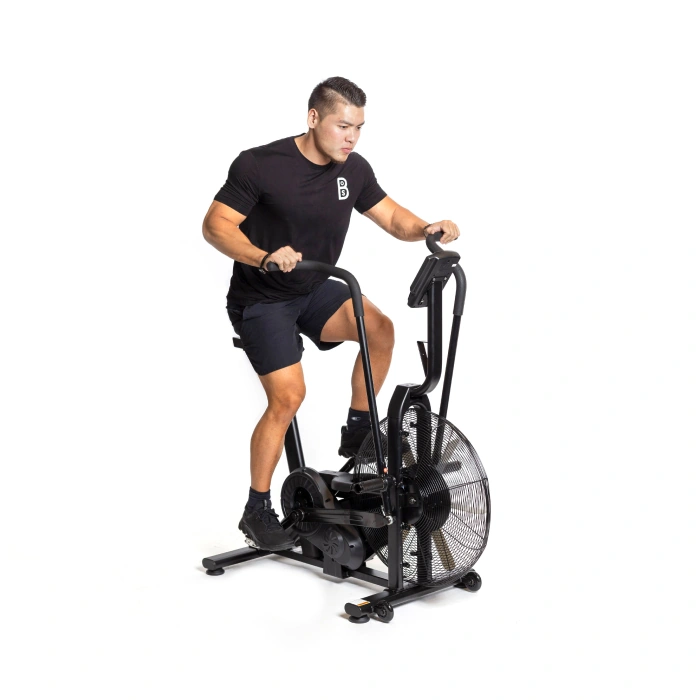
When it comes to getting a full-body workout, few pieces of equipment rival the effectiveness of an air bike. Also known as a fan bike or assault bike, this versatile machine engages multiple muscle groups simultaneously, making it a fantastic choice for anyone looking to maximize their workout efficiency. Let’s explore the various parts of the body that can be exercised on an air bike:
Lower Body Muscles:
The primary muscles targeted during air bike workouts are located in the lower body. These include:
- Quadriceps: Located at the front of the thighs, the quadriceps muscles are heavily engaged when pedaling on an air bike. They are responsible for extending the knee joint.
- Hamstrings: Situated at the back of the thighs, the hamstrings act as antagonists to the quadriceps, contracting to flex the knee joint during the upward phase of the pedal stroke.
- Calves: The calf muscles, located at the back of the lower leg, play a supportive role during pedaling, aiding in ankle flexion and extension.
Upper Body Muscles:
Contrary to popular belief, air bike workouts aren’t just about the legs. They also provide an excellent opportunity to strengthen and tone the upper body muscles, including:
- Arms: Gripping the handlebars and pushing and pulling them engages the muscles of the arms, including the biceps, triceps, and forearms.
- Shoulders: The repetitive motion of moving the handlebars back and forth activates the deltoid muscles of the shoulders, particularly the anterior and lateral deltoids.
- Back: The muscles of the back, including the latissimus dorsi and rhomboids, are engaged to stabilize the torso during pedaling and handlebar movement.
Core Muscles:
Maintaining stability and balance on the air bike requires activation of the core muscles, including:
- Abdominals: The rectus abdominis and oblique muscles work together to stabilize the trunk and pelvis during pedaling, helping to maintain proper posture and alignment.
- Lower Back: The erector spinae muscles, located along the spine, are engaged to support the lower back and prevent excessive arching or rounding of the spine.
Cardiovascular System:
In addition to targeting specific muscle groups, air bike workouts provide an excellent cardiovascular challenge, helping to improve heart health, lung capacity, and overall endurance. The continuous pedaling motion, combined with the resistance provided by the fan, creates a challenging aerobic workout that can elevate heart rate and increase calorie burn
Sample Workout Plan
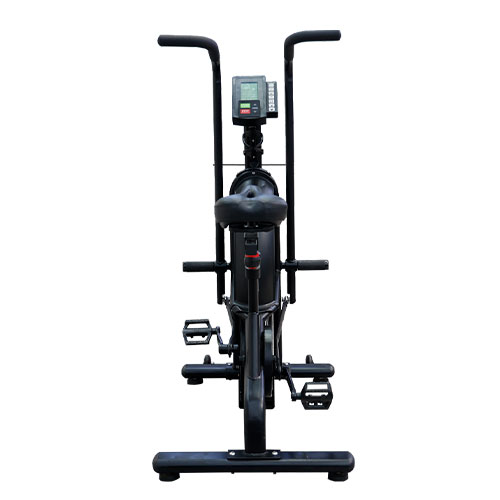
To help you get started with air bike workouts, here is a sample workout plan that you can follow:
| Exercise | Duration | Intensity Level |
|---|---|---|
| Warm-Up | 5 minutes | Low |
| Interval Training | 20 minutes | High |
| Cool Down | 5 minutes | Moderate |
Conclusion
In conclusion, air bike workouts are a versatile and effective way to improve your fitness level, burn calories, and strengthen your muscles. By incorporating proper techniques and following a structured workout plan, you can maximize the benefits of air bike exercises and achieve your fitness goals faster. Whether you are a beginner or an experienced athlete, air bike workouts offer a challenging and rewarding fitness experience that can help you stay in shape and boost your overall health.
FAQs
Are air bike workouts suitable for beginners?
- Yes, air bike workouts can be adapted to suit individuals of all fitness levels. Beginners can start with shorter workout durations and lower intensities and gradually increase the challenge as they progress.
How often should I incorporate air bike workouts into my fitness routine?
- The frequency of air bike workouts depends on your fitness goals and overall workout schedule. It is recommended to include air bike workouts 2-3 times per week for optimal results.
Can air bike workouts help with weight loss?
- Yes, air bike workouts are an effective way to burn calories and aid in weight loss when combined with a balanced diet and regular exercise routine.
Is it necessary to use resistance settings on an air bike?
- Adjusting the resistance settings on an air bike can help vary the intensity of your workout and target different muscle groups. Experiment with different resistance levels to find the setting that works best for you.
How can I prevent muscle soreness after air bike workouts?
- To prevent muscle soreness after air bike workouts, make sure to warm up properly, stretch before and after your workout, stay hydrated, and allow for adequate rest and recovery between sessions.