
Introduction
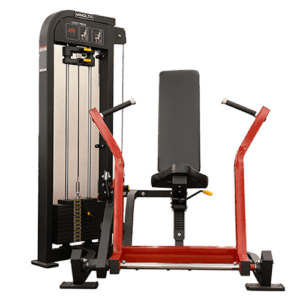
In the realm of strength training, the seated machine chest press stands out as a versatile and effective exercise for targeting the chest muscles. Whether you’re a beginner looking to build a solid foundation or an experienced lifter seeking to vary your routine, incorporating the seated machine chest press can provide significant benefits. This blog explores in detail why this exercise is valuable, how to perform it correctly for optimal results, different variations to keep your workouts engaging, and answers to common questions you might have.
Benefits of Seated Machine Chest Press
The seated machine chest press offers several key advantages that make it a worthwhile addition to any strength training regimen:
- Isolation and Stability: Unlike free weights, the seated machine provides a stable platform, which allows for better isolation of the chest muscles. This stability is particularly beneficial for beginners who are still developing their coordination and strength.
- Adjustability: Most machines come with adjustable seats and handles, allowing you to customize the equipment to your body size and preferences. This feature ensures proper alignment during the exercise, reducing the risk of injury and optimizing muscle engagement.
- Safety: One of the primary advantages of using a seated machine is its safety. It minimizes the risk of dropping weights or losing balance, which can occur when using free weights. This aspect makes it an excellent choice for individuals who train alone or those recovering from injuries.
- Muscle Engagement: The seated machine chest press effectively targets the pectoralis major and minor muscles, as well as the anterior deltoids and triceps. By adjusting the seat and handle positions, you can emphasize different areas of the chest, promoting balanced muscle development.
Technique and Form
Proper technique is crucial for maximizing the benefits of the seated machine chest press and preventing injury:
- Positioning: Start by adjusting the seat height so that the handles are at chest level when your arms are fully extended. Your back should be flat against the backrest, and your feet firmly planted on the floor.
- Grip: Grasp the handles with an overhand grip, ensuring that your wrists are aligned with your forearms. This grip provides stability and control throughout the movement.
- Movement: Push the handles forward by extending your arms fully, but avoid locking your elbows at the top of the movement to maintain tension on the muscles. Slowly return to the starting position under control, focusing on the eccentric (lowering) phase of the exercise.
- Breathing: Inhale as you lower the handles towards your chest and exhale as you push them away. This controlled breathing pattern helps stabilize your core and enhance overall performance.
Variations of Seated Machine Chest Press
Variations can add diversity to your workout routine and target muscles from different angles:
- Wide Grip Chest Press: By gripping the handles wider apart, you can emphasize the outer portion of your chest more intensely. This variation also engages the shoulders and triceps to a greater extent.
- Reverse Grip Chest Press: Changing to an underhand grip shifts the focus to the lower portion of the chest and places more emphasis on the triceps. This variation can help balance out the development of your chest muscles.
- Single Arm Chest Press: Performing the exercise with one arm at a time challenges your stabilization muscles and helps correct muscle imbalances between your left and right sides. It also allows for a deeper stretch and contraction of the chest muscles.
Comparison of Seated Machine Chest Press with Free Weight Bench Press
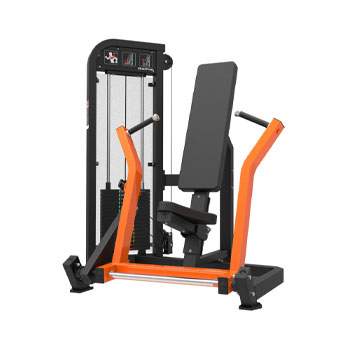
| Aspect | Seated Machine Chest Press | Free Weight Bench Press |
|---|---|---|
| Muscle Isolation | High | Moderate |
| Stability | Very stable | Less stable |
| Injury Risk | Lower | Higher |
| Adjustability | High (seat and handles) | Lower |
| Strength Development | Focuses on endurance and muscle isolation | Builds overall strength |
| Convenience | Easier setup | Requires spotter for heavy weights |
Conclusion
In conclusion, the seated machine chest press offers unique advantages that can enhance your chest workout routine significantly. Its ability to isolate muscles, provide stability, and reduce injury risk makes it an excellent choice for individuals of all fitness levels. By mastering proper technique, exploring different variations, and incorporating it into a well-rounded training program, you can achieve balanced chest development and overall strength gains effectively.
FAQ
Q: Is the seated machine chest press suitable for beginners?
A: Yes, it provides stability and reduces the risk of injury compared to free weights. Beginners can safely learn proper form and build foundational strength with this exercise.
Q: How often should I include seated machine chest press in my workout routine?
A: Aim to incorporate seated machine chest press exercises 1-2 times per week, depending on your overall training program and fitness goals. It can be a valuable addition to a comprehensive chest workout routine.
Q: Can I build significant chest muscle mass using the seated machine chest press alone?
A: While the seated machine chest press is effective for targeting the chest muscles, incorporating a variety of exercises, including free weight exercises like bench press and dumbbell flyes, can provide more comprehensive muscle development. Combine exercises strategically to achieve optimal results.