
Introduction
Pilate machines, commonly known as the Reformer, is a transformative piece of fitness equipment that has revolutionized the way people approach their workouts. Originating from the pioneering work of Joseph Pilates, the Reformer enhances the traditional mat-based Pilates exercises by adding resistance and support, offering a dynamic and versatile workout experience. Whether you are looking to build strength, increase flexibility, or improve overall body alignment, incorporating a Pilates machine into your fitness routine can help you achieve remarkable results. In this comprehensive guide, we’ll explore the benefits, types, and effective use of Pilates machines, providing you with the knowledge to elevate your fitness journey.
What is Pilate Machine?
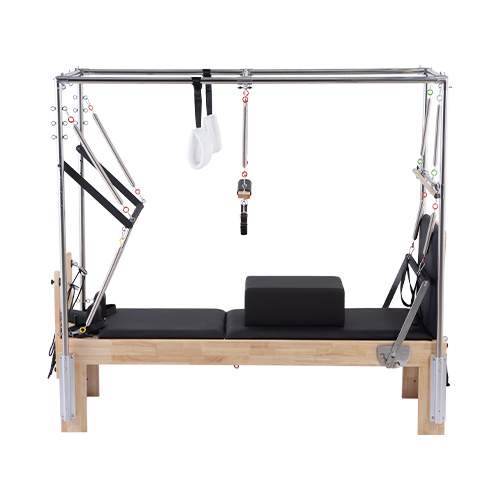
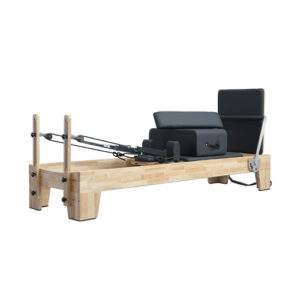
A Pilates machine, or Reformer, is a piece of equipment designed to enhance the Pilates workout. It consists of a sliding carriage, springs, ropes, and pulleys that offer variable resistance and support during exercises. This allows for a wide range of movements that can target different muscle groups and improve overall fitness.
Key Components of a Pilates Machine
- Carriage: The platform that slides back and forth on wheels within the frame of the machine.
- Springs: Provide adjustable resistance to the carriage, allowing users to modify the intensity of their workout.
- Footbar: A bar at one end of the machine used for foot or hand placement to stabilize or push against during exercises.
- Ropes and Straps: Attached to the carriage and used to pull or push, facilitating various movements.
- Shoulder Blocks: Keep the shoulders stable and in place while using the machine.
Types of Pilates Machines
There are several types of Pilates machines, each designed for specific purposes:
- Reformer: The most common Pilates machine, versatile and used for a wide range of exercises.
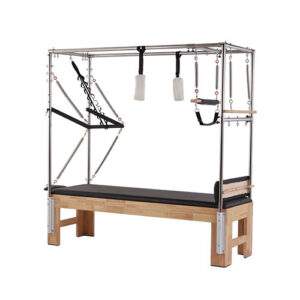
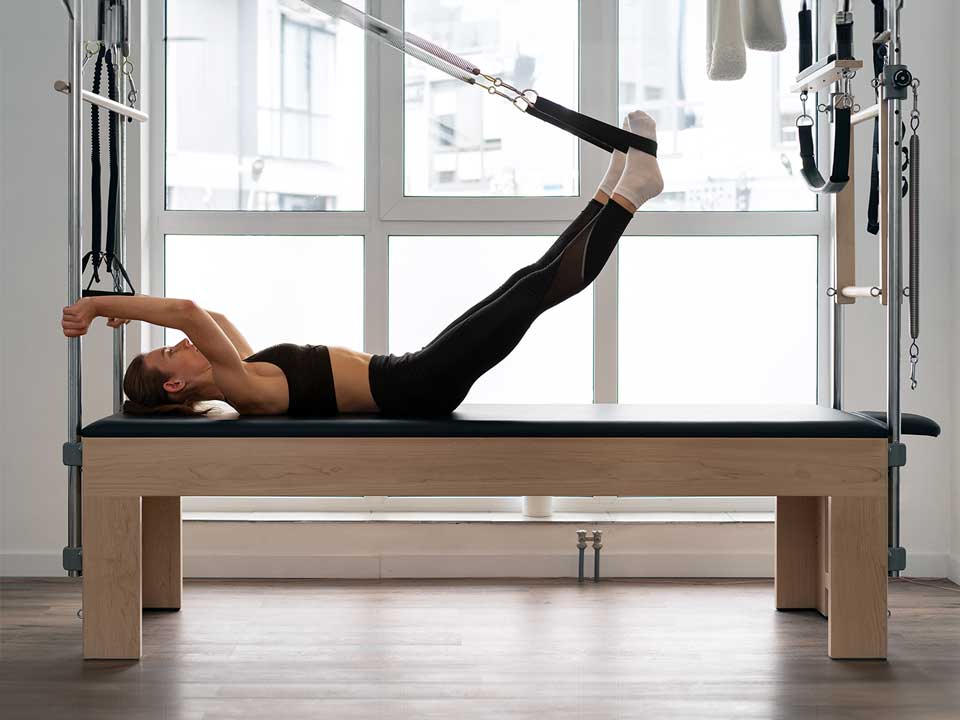
- Cadillac (Trapeze Table): Features a raised table with a frame and attachments for more advanced exercises.
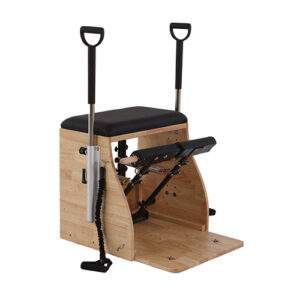
- Wunda Chair: A compact piece of equipment with pedals and springs for seated or standing exercises.
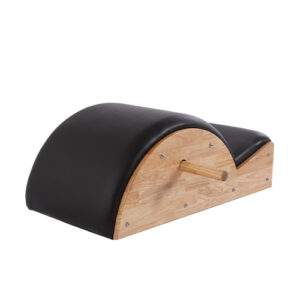
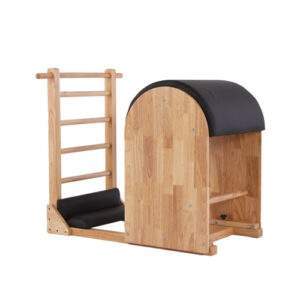
- Ladder Barrel: Used primarily for stretching and strengthening exercises, focusing on core stability.
Benefits of Using a Pilates Machine
Using a Pilates machine can offer numerous benefits that enhance your overall fitness and well-being.
Improved Strength and Flexibility
Pilates machines help increase muscle strength and flexibility by providing resistance through springs and pulleys. This resistance helps build muscle tone and enhances joint flexibility.
Enhanced Core Stability
One of the main focuses of Pilates is core strength. The Pilates machine challenges the core muscles by requiring stabilization throughout various movements, leading to a stronger and more stable core.
Low Impact on Joints
Pilates machines provide a low-impact workout, making them suitable for people with joint issues or those recovering from injuries. The controlled, fluid movements help minimize stress on the joints while still providing an effective workout.
Better Posture and Alignment
Regular use of a Pilates machine can improve posture and body alignment by strengthening the muscles that support the spine. This can lead to reduced back pain and a more balanced body.
Increased Body Awareness
Pilates encourages mindfulness and body awareness. Using a Pilates machine requires concentration and control, helping you become more aware of your body’s movements and improving overall coordination.
Versatility in Exercises
Pilates machines offer a wide range of exercises that target different muscle groups. This versatility allows for a varied workout routine, preventing monotony and encouraging continued progress.
How to Use a Pilates Machine
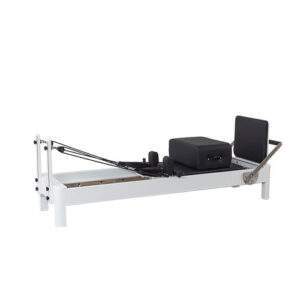
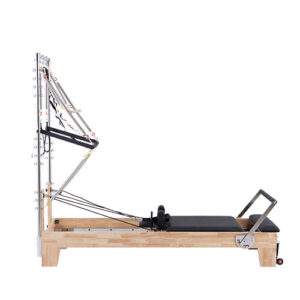
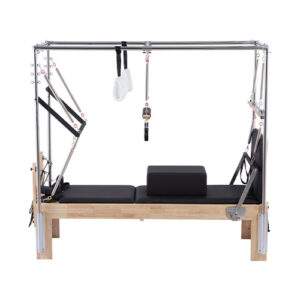
Using a Pilates machine effectively requires understanding the basic principles and techniques. Here is a step-by-step guide to get you started.
Setting Up the Machine
- Adjust the Springs: Set the springs to provide the appropriate level of resistance for your workout.
- Position the Carriage: Ensure the carriage is properly aligned and moves smoothly.
- Adjust the Footbar and Straps: Set the footbar and straps to the correct height and length for your exercises.
Basic Exercises on the Reformer
Footwork
- Setup: Lie on the carriage with your feet on the footbar, knees bent.
- Movement: Press your feet against the footbar to extend your legs, then return to the starting position.
- Repetitions: Perform 10-15 repetitions.
Leg Circles
- Setup: Lie on the carriage with your feet in the straps.
- Movement: Extend your legs straight up, then make circles with your legs in one direction and then the other.
- Repetitions: Perform 5-10 circles in each direction.
The Hundred
- Setup: Lie on the carriage with your legs in a tabletop position and your arms extended by your sides.
- Movement: Lift your head and shoulders off the carriage, pump your arms up and down while breathing in and out for a count of five.
- Repetitions: Complete 10 sets of 10 pumps.
Advanced Exercises
Long Stretch
- Setup: Start in a plank position with your hands on the footbar and feet on the carriage.
- Movement: Push the carriage back and forth using your legs while maintaining a strong plank position.
- Repetitions: Perform 8-12 repetitions.
Teaser
- Setup: Lie on the carriage with your feet in the straps and arms extended overhead.
- Movement: Roll up to a seated position, balancing on your sit bones, then roll back down.
- Repetitions: Perform 5-8 repetitions.
Maintaining Your Pilates Machine
Proper maintenance of your Pilates machine is essential for ensuring its longevity and performance. Here are some tips for keeping your equipment in top condition.
Regular Cleaning
- Wipe Down After Use: Use a damp cloth to wipe down the carriage, footbar, and straps after each use to remove sweat and dirt.
- Deep Cleaning: Periodically, perform a thorough cleaning using a mild detergent and water to clean all parts of the machine.
Inspecting and Replacing Parts
- Check Springs and Ropes: Regularly inspect the springs and ropes for signs of wear and tear. Replace them as needed to maintain optimal performance and safety.
- Tighten Screws and Bolts: Ensure that all screws and bolts are tightened to prevent any parts from becoming loose during use.
Lubrication
- Lubricate Moving Parts: Apply a light lubricant to the moving parts, such as the wheels and tracks, to ensure smooth operation.
Comparison of Pilates Machines
To help you choose the right Pilates machine for your needs, the following table compares some key features of different types of Pilates machines:
| Feature/Type | Reformer | Cadillac | Wunda Chair | Ladder Barrel |
|---|---|---|---|---|
| Versatility | High | Very High | Moderate | Low |
| Footprint | Moderate | Large | Small | Small |
| Cost | Moderate to High | High | Moderate | Low |
| Best For | Full-body workouts | Advanced exercises, rehab | Core strength, small spaces | Stretching, core stability |
| Adjustability | High | Very High | Moderate | Low |
| Ease of Use | Moderate | Moderate | High | High |
Conclusion
The Pilates machine is a versatile and effective tool for enhancing your fitness routine. Whether you’re looking to improve strength, flexibility, core stability, or overall body awareness, incorporating a Pilates machine into your workouts can provide significant benefits. By understanding the different types of Pilates machines, their benefits, and how to use them properly, you can make an informed decision that aligns with your fitness goals. Regular maintenance will ensure your equipment stays in top condition, providing you with a reliable and effective workout for years to come.
FAQ
What is Pilate machines?
A Pilates machine, also known as a Reformer, is a piece of equipment used in Pilates workouts to provide resistance and support. It consists of a sliding carriage, springs, ropes, and a footbar, allowing for a wide range of exercises that target different muscle groups.
How does a Pilates machine improve strength and flexibility?
The resistance provided by the springs and pulleys on a Pilates machine helps build muscle strength, while the controlled movements enhance flexibility and joint mobility.
Is a Pilates machine suitable for beginners?
Yes, a Pilates machine can be suitable for beginners. It provides support and guidance for exercises, making it easier to perform movements correctly and safely. Beginners should start with basic exercises and gradually progress to more advanced movements.
How often should I use a Pilates machine?
For optimal results, it’s recommended to use a Pilates machine 2-3 times per week. This frequency allows for adequate muscle recovery while consistently challenging the body to improve strength and flexibility.
Can a Pilates machine help with injury rehabilitation?
Yes, Pilates machines are often used in injury rehabilitation. The controlled, low-impact movements and adjustable resistance make them ideal for recovering from injuries while rebuilding strength and flexibility.
What should I look for when buying a Pilates machine?
When buying a Pilates machine, consider factors such as the type of machine (Reformer, Cadillac, Wunda Chair, Ladder Barrel), the space available in your home, the adjustability of the equipment, and your budget. It’s also important to consider the types of exercises you want to perform and any specific fitness goals you have.
How do I maintain my Pilates machine?
To maintain your Pilates machine, regularly clean it after each use, inspect and replace worn parts, tighten screws and bolts, and lubricate moving parts. Proper maintenance will ensure the longevity and optimal performance of your equipment.