
Table of Contents
Introduction
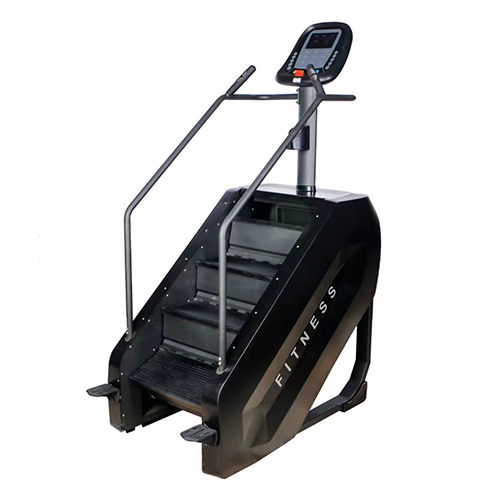
Treadmills and stair climber machines are two of the most popular cardio options in gyms. Both support weight loss and endurance training, but they work the body in different ways. Treadmills simulate running and offer speed and incline control, while stair climbers target lower-body strength with low-impact, high-intensity movement. Choosing the right one depends on your goals and training needs.At Vital, we know reliable equipment is key to fitness success. We offer a full range of ISO/CE-certified cardio, strength, home gym, and rehab solutions. Trusted by fitness clubs and personal studios, our products combine quality, performance, and tailored support. In this blog, we’ll compare stair climbers and treadmills to help you choose the right fit.
Understanding Stair Climber Machines
Stair climber machines, often referred to as stair steppers or stair mills, are stationary cardio machines designed to simulate the action of climbing stairs. They provide a continuous, challenging movement that primarily targets the lower body while offering a robust cardiovascular workout.
How Stair Climber Machines Work
There are generally two main types of stair climber machines:
- Revolving Staircases (Stair Mills): These feature a continuous loop of steps, similar to an escalator, that you ascend. The steps move downward as you climb, requiring continuous effort and balance. This type provides a very realistic stair-climbing experience.
- Step-by-Step Steppers: These have two independent pedals that move up and down in a reciprocal motion, mimicking climbing one stair at a time. Some versions incorporate moving handlebars for upper body engagement.
Regardless of the type, the core principle remains: users push down against resistance to elevate their body, engaging major muscle groups in the lower body. The constant upward motion makes stair climber machines a potent tool for building strength and endurance.
Pros of Stair Climber Machines
1. Exceptional Lower Body Strength and Toning
One of the most profound benefits of stair climber machines is their unparalleled ability to build and tone the lower body. Every step engages the glutes, hamstrings, quadriceps, and calves intensely. The continuous upward motion against gravity, particularly on revolving staircases, creates a consistent and powerful load on these muscles. This leads to significant gains in muscular endurance, strength, and definition, making stair climber machines a go-to choice for those looking to develop a strong and sculpted lower half. The glute activation on stair climber machines is particularly notable, often surpassing that of other cardio machines.
2. High Calorie Burn and Metabolic Demand
Stair climber machines are notoriously effective for calorie expenditure. The demanding nature of climbing, which inherently works against gravity and engages large muscle groups, elevates the heart rate quickly and sustains a high metabolic rate throughout the workout. This makes stair climber machines an excellent tool for weight loss and fat burning. The intensity can be adjusted by increasing speed or resistance, allowing users to push their limits and maximize their energy output in a relatively short amount of time. The sheer effort required means that even a 20-30 minute session can be incredibly effective.
3. Low-Impact on Joints (Compared to Running)
While highly demanding, the impact on joints from stair climber machines is significantly lower than that of running on a treadmill. The motion is controlled and vertical, without the repetitive jarring force of foot striking the ground. This makes stair climber machines a safer option for individuals with joint sensitivities, such as knee or ankle issues, who still desire an intense lower-body and cardiovascular workout. The fluid, continuous stepping motion minimizes stress, allowing for effective training while protecting delicate joints.
4. Improves Cardiovascular Endurance
The consistent effort required to propel oneself upwards on stair climber machines rapidly elevates and maintains a high heart rate. This provides an excellent cardiovascular workout, improving heart and lung efficiency. Regular use of stair climber machines can significantly enhance aerobic capacity, making everyday activities feel easier and boosting overall stamina. This makes stair climber machines a formidable tool for building cardiorespiratory fitness, essential for both athletic performance and general health.
5. Enhances Core Stability and Balance
Maintaining an upright posture and controlled movement on stair climber machines actively engages the core muscles. The slight instability and continuous need for balance work the abdominal and lower back muscles to stabilize the body, especially on revolving staircases. This contributes to improved core strength, which is vital for overall functional fitness, posture, and preventing lower back pain. The coordination required for the stepping motion also enhances balance and proprioception.
Cons of Stair Climber Machines
1. Can Be Very Demanding for Beginners
While highly effective, stair climber machines can be intimidating and very challenging for individuals new to fitness. The sustained effort required can quickly lead to muscle fatigue and breathlessness, which might discourage beginners. A gradual introduction, starting with short durations and slower speeds, is essential to build tolerance and confidence on stair climber machines. Without proper pacing, new users might find the experience overwhelming.
2. Primarily Lower Body Focused
Despite some core engagement, the workout on stair climber machines is overwhelmingly concentrated on the lower body. While excellent for leg and glute development, it offers less direct upper body engagement compared to machines with moving handlebars or full-body reciprocal motions. Users looking for a more balanced full-body workout might need to supplement their stair climber machines sessions with additional upper body or core exercises.
3. Limited Movement Variety
The fundamental movement on stair climber machines is ascending. While speed and resistance can be varied, the core motion remains constant. This can lead to monotony for some users over long periods, potentially affecting motivation if they prefer more diverse movement types in their cardio workouts. Unlike treadmills that offer running, walking, and incline walking, stair climber machines are dedicated to one type of movement.
4. Potential for Poor Posture if Not Mindful
Users can sometimes lean heavily on the handrails of stair climber machines to reduce the perceived effort, which compromises the effectiveness of the workout and can lead to poor posture or back strain. It’s crucial for users to maintain an upright posture, engage their core, and use the handrails primarily for balance rather than support, to maximize the benefits of stair climber machines and avoid injury.
Understanding Treadmills
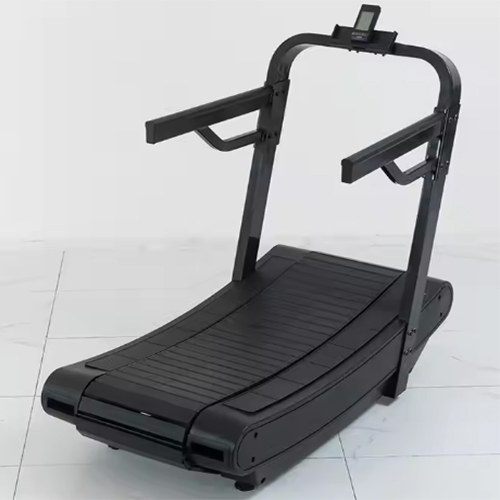
A treadmill is a stationary exercise machine that allows for walking, jogging, or running indoors. It consists of a moving belt driven by an electric motor, and most modern treadmills offer adjustable speed and incline settings.
How Treadmills Work
Users step onto a continuous belt that moves beneath their feet. The speed of the belt dictates the pace of walking or running, and most treadmills allow for incline adjustments to simulate uphill terrain, increasing the intensity and targeting different muscle groups. The workout is self-directed in terms of pace and incline, offering a familiar and intuitive exercise experience.
Pros of Treadmills
1. Natural Movement Pattern
One of the biggest advantages of a treadmill is that it allows for the most natural and familiar cardio movement: walking, jogging, or running. This makes it highly accessible for almost everyone, from beginners to elite athletes. The natural stride pattern translates directly to outdoor running, making it an excellent training tool for race preparation or general outdoor fitness. The biomechanics closely mimic overground locomotion.
2. Versatility in Workout Types
Treadmills offer immense versatility. Users can walk, jog, run, or sprint. The adjustable incline feature allows for uphill training, which significantly increases calorie burn and targets glutes and hamstrings more effectively. This wide range of options means treadmills can cater to various fitness levels and training goals, from gentle walks for rehabilitation to high-intensity interval training (HIIT) or long-distance endurance runs.
3. Excellent for Cardiovascular Health
Running or walking on a treadmill provides a highly effective cardiovascular workout. It quickly elevates heart rate and strengthens the heart and lungs, improving overall aerobic capacity and endurance. Regular treadmill use can lead to significant improvements in stamina, respiratory efficiency, and general cardiovascular fitness, contributing to long-term health benefits.
4. Precise Control and Measurable Progress
Treadmills offer precise control over speed and incline, allowing users to set specific parameters for their workouts. This makes it easy to track progress, hit target paces, and follow structured training programs. The console typically displays clear metrics like distance, time, speed, calories burned, and heart rate, providing immediate feedback and motivation.
5. Effective for Calorie Burning
Running, especially at higher speeds or inclines, is a highly effective way to burn calories. Treadmills facilitate intense workouts that lead to significant energy expenditure, making them a popular choice for weight management and fat loss. The ability to vary intensity through speed and incline ensures a challenging and metabolically demanding workout.
Cons of Treadmills
1. High Impact on Joints
The most notable drawback of treadmills, particularly for running, is the high impact on joints. Each foot strike against the moving belt sends shock waves through the ankles, knees, hips, and spine. Over time, or with improper form, this repetitive impact can lead to stress fractures, shin splints, runner’s knee, and other joint-related injuries. While cushioning systems help, the impact is still present.
2. Primarily Lower Body Focused
While running engages the core and some upper body for stability, the primary workload on a treadmill is concentrated on the lower body. Unlike stair climber machines or ellipticals with moving handlebars, treadmills offer minimal direct upper body engagement. Users looking for a full-body workout would need to supplement treadmill sessions with additional upper body strength training.
3. Requires More Space
Treadmills generally have a larger footprint compared to many other cardio machines, and even foldable models can be cumbersome. They require a significant amount of dedicated space for both operation and storage, which can be a limiting factor for home gyms or commercial facilities with restricted floor area.
4. Can Be Monotonous
For some users, the repetitive nature of running or walking in place on a treadmill can become monotonous over long periods. While entertainment options or virtual routes can help, the lack of varied movement patterns might lead to boredom and reduced motivation for consistent use.
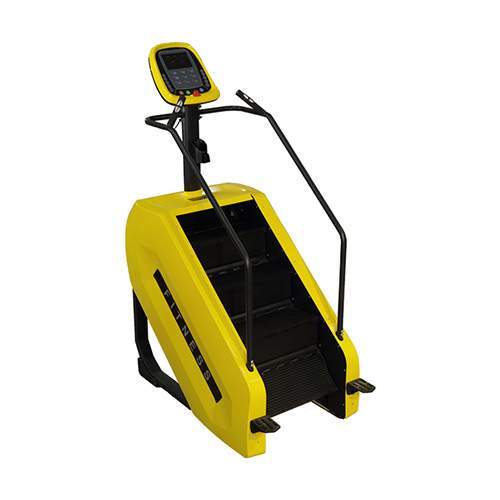
Direct Comparison: Stair Climber Machines vs. Treadmills
To help you make the best decision, here’s a detailed comparison of key aspects when considering stair climber machines versus treadmills.
| Feature | Stair Climber Machines | Treadmills |
| Primary Muscle Engagement | Heavy emphasis on glutes, hamstrings, quadriceps, and calves. Significant core engagement for stability. Limited direct upper body. | Primarily engages quadriceps, hamstrings, glutes, and calves. Some core engagement for stability. Minimal direct upper body work. |
| Impact on Joints | Low-impact. Continuous vertical motion with no jarring foot strikes. Excellent for joint-sensitive individuals. | High-impact (especially for running). Repetitive foot strikes can strain joints over time, though cushioning helps. |
| Calorie Burn Potential | Very High. Demanding against gravity. Often burns more calories per minute than running at moderate speeds. | High. Varies with speed and incline. Can burn a significant number of calories, especially with higher intensity. |
| Cardiovascular Benefit | Excellent. Rapidly elevates heart rate due to intense lower body work. Builds endurance and aerobic capacity. | Excellent. Highly effective for improving heart and lung efficiency, building aerobic and anaerobic capacity. |
| Functional Movement | Mimics stair climbing, a common daily activity. Builds strength relevant to inclines and ascents. | Mimics walking/running on flat ground or inclines. Highly functional for outdoor running and general ambulation. |
| Learning Curve | Can be intimidating for beginners due to high intensity. Requires focus on maintaining upright posture and not leaning on rails. | Very low. Most people can immediately walk or jog. Running technique can be refined. |
| Workout Variety | Limited to stepping/climbing motion. Intensity varied by speed and resistance. | Highly versatile: walking, jogging, running, sprinting. Adjustable speed and incline offer vast workout variations. |
| Space Requirement | Moderate to large footprint, depending on model (stair mills larger). Generally vertical design. | Typically large footprint, often the largest cardio machine. Can be long. |
| Noise Level | Generally moderate. Steps can create some noise, but often less than a high-speed running treadmill. | Can be noisy, especially at higher running speeds (foot strikes, belt motor). |
| Target User Group | Ideal for those prioritizing lower body strength (glutes, quads), high-intensity cardio with low impact, and challenging workouts. Athletes for specific conditioning. | Ideal for runners, walkers, general cardio, interval training. Highly versatile for a broad user base. Suitable for injury recovery with walking or low incline. |
Deeper Dive: Biomechanics and Muscle Activation
Understanding the subtle differences in how stair climber machines and treadmills engage your muscles can significantly influence your choice.
Biomechanics of Stair Climbing
Stair climber machines force your muscles to work concentrically (shortening) as you push up and eccentrically (lengthening) as you control the descent of the step or yourself. This constant muscle engagement against gravity is what makes stair climber machines so effective for building lower body strength and endurance. The action emphasizes the glutes and hamstrings due to the deep squat-like motion involved in each step, particularly on stair mills. The quadriceps are also heavily involved in extending the knee, while the calves work to propel the body upwards. The body’s need to stabilize against the movement of the steps also engages the core more dynamically than flat-surface running.
Biomechanics of Treadmill Running
Running on a treadmill, while seemingly simple, involves a complex interplay of muscles. The primary movers are the quadriceps and hip flexors during the swing phase, and the hamstrings and glutes during the drive phase as you push off the belt. The calves are crucial for propulsion and absorbing impact. The core muscles are constantly engaged to maintain an upright posture and prevent rotation. While treadmills offer varying inclines to increase glute and hamstring activation, the fundamental mechanics of propulsion on a treadmill differ from the continuous upward force required on stair climber machines, leading to different muscular emphasis. The repeated impact can also lead to different types of muscle fatigue and adaptations compared to stair climbing.
Training Goals and Special Populations
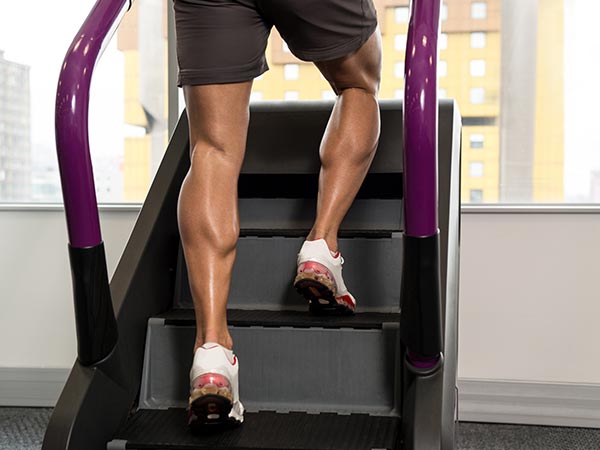
Your specific training goals and any physical limitations should heavily weigh into your decision between stair climber machines and treadmills.
For Weight Loss and Calorie Burn
Both machines are highly effective. However, for a given perceived effort, many find that stair climber machines yield a higher calorie burn due to the constant anti-gravity work and intense lower body muscle activation. If maximum calorie expenditure in minimal time is the primary goal, especially for those targeting lower body aesthetics, stair climber machines often have an edge. Treadmills remain excellent for prolonged aerobic efforts.
For Building Muscle and Strength
Stair climber machines are superior for building strength and muscular endurance in the glutes, hamstrings, and quads due to the continuous climbing action. This makes them a more “strength-focused” cardio option. Treadmills are excellent for building leg endurance, but less so for pure strength compared to stair climber machines, unless incline running is heavily emphasized.
For Joint Health and Rehabilitation
Both machines are considered low-impact compared to outdoor running. Treadmills offer various programs, including walking, which is gentle. However, the absolute lack of impact when stepping on stair climber machines, without the repetitive shock of foot strike, often makes them the preferred choice for individuals with pre-existing joint conditions or those in the later stages of lower body rehabilitation, where minimizing impact is crucial.
For Athletes and Sport-Specific Training
- Runners: Treadmills are invaluable for runners, allowing for specific pace training, interval work, and hill training (with incline) regardless of weather. They directly translate to outdoor running performance.
- Hikers/Climbers: Stair climber machines are highly specific and beneficial for building the strength and endurance needed for hiking, mountaineering, or other activities involving inclines and ascents. The muscular endurance developed on stair climber machines directly correlates to real-world climbing power.
- General Athletes: Both machines can be used for general cardiovascular conditioning. The choice between stair climber machines or treadmills for athletes often depends on whether their sport requires more horizontal propulsion (treadmill) or vertical power and posterior chain strength (stair climber machines).
User Experience, Engagement, and Practicality
Beyond the physiological benefits, the user experience and practical considerations play a significant role in long-term adherence to a fitness routine.
Engagement and Motivation
Some users find the rhythmic, powerful motion of stair climber machines highly engaging and challenging, leading to a strong sense of accomplishment. Others might find the repetitive ascent monotonous. Treadmills, on the other hand, offer the familiarity of walking or running, and many modern models come with advanced interactive screens, virtual courses, and entertainment options that can significantly boost engagement for longer sessions. The ability to “zone out” or actively participate in virtual landscapes can make treadmill workouts more enjoyable for many.
Space Requirements
When considering equipment for a home gym or a crowded commercial facility, space is a premium. Treadmills, especially commercial-grade ones, typically have the largest footprint among cardio machines. Stair climber machines, while tall, often have a more vertical and compact base, potentially saving floor space compared to a long treadmill, particularly for the stair mill models. Always measure your available space before making a decision.
Noise Level
The noise level can be a factor, especially in a home environment or a quiet gym setting. Treadmills can generate significant noise, particularly at higher running speeds, from the motor and foot strikes. Stair climber machines are generally quieter, with the primary noise coming from the movement of the steps, which is typically less intrusive than the pounding of feet on a treadmill.
Conclusion
Choosing between a stair climber machines and a treadmill depends on your fitness goals. For building stronger glutes and legs with low-impact cardio, stair climbers are ideal. They burn calories efficiently and focus on vertical strength. If you prefer natural running, speed control, and overall cardio endurance, treadmills are a great choice—though they place more stress on the joints.At Vital, we offer high-quality, ISO/CE-certified fitness equipment designed for performance and durability. From advanced treadmills to heavy-duty stair climbers, our products help you train smarter. Ready to reach your goals? Contact us today for expert advice and the right equipment for you.
FAQ
Which is better for fat loss: stair climber machines or treadmills?
Both are highly effective for fat loss as they burn a significant number of calories. However, due to the intense lower body muscle activation and constant anti-gravity work, stair climber machines often provide a higher calorie burn per minute at comparable perceived efforts.
Is a stair climber machine good for building glutes?
Absolutely. Stair climber machines are exceptional for targeting and building the gluteal muscles, along with hamstrings and quads. The continuous upward pushing motion provides an intense workout for the entire posterior chain, making them a top choice for glute development.
Are stair climber machines low-impact?
Yes, stair climber machines are considered a low-impact cardio option, especially when compared to running on a treadmill. The fluid, vertical motion minimizes the jarring impact on joints like knees, ankles, and hips, making them suitable for individuals with joint sensitivities.
Can I train for a marathon on a stair climber machine?
While a stair climber machine can significantly improve your cardiovascular endurance and leg strength, it doesn’t fully replicate the biomechanics of long-distance running. It’s an excellent cross-training tool to supplement marathon training, particularly for hill strength, but direct running practice on a treadmill or outdoors remains essential for marathon preparation.
Do stair climber machines take up a lot of space?
Stair climber machines, particularly the revolving staircase models, can be quite tall and have a moderate to large footprint. While often more compact in length than a treadmill, their height and depth can still require significant dedicated space. Always check the dimensions of the specific model.