
Welcome to My Blog!
Before we dive into the content, I’d love for you to join me on my social media platforms where I share more insights, engage with the community, and post updates. Here’s how you can connect with me:
Facebook:https://www.facebook.com/profile.php?id=61553215985287
LinkedIn:https://www.linkedin.com/showcase/99329941/admin/dashboard/
Tiktok:www.tiktok.com/@shandongvitalfitness
Now, let’s get started on our journey together. I hope you find the content here insightful, engaging, and valuable.
Table of Contents
Introduction
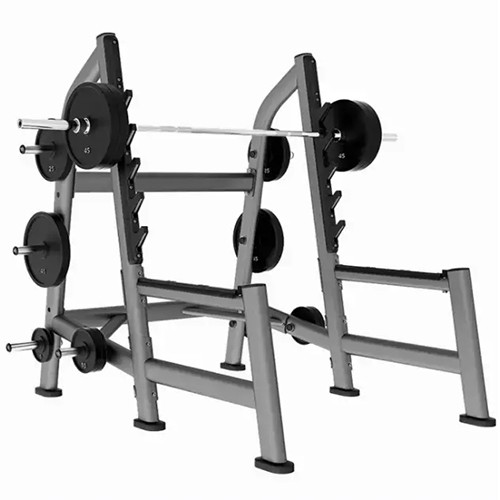
If you’re looking to level up your fitness game, squat rack exercises are your ticket to building strength, boosting endurance, and sculpting a physique that turns heads. As a trusted supplier of professional fitness equipment, we specialize in providing top-tier cardio and strength training gear, including squat racks designed for both home gyms and fitness studios. Our products meet rigorous ISO and CE quality standards, ensuring you have safe, reliable tools to achieve your goals.
Whether you’re a gym owner outfitting a new space or a fitness enthusiast setting up a personal workout corner, squat rack exercises offer unmatched versatility. This blog dives deep into why these exercises are a game-changer, how to perform them effectively, and tips to maximize your results. Let’s get started!
Why Squat Rack Exercises Are a Must for Your Workout Routine
Squat racks are the backbone of any serious strength training setup. They’re not just for squats (though those are fantastic). A squat rack opens the door to a wide range of exercises that target multiple muscle groups, improve functional fitness, and help you achieve results faster. Why are squat rack exercises so effective? They allow you to lift heavy weights safely, engage stabilizing muscles, and customize your workouts to fit your goals—whether that’s bulking up, toning, or improving athletic performance.
Unlike machines that lock you into a fixed range of motion, squat racks give you the freedom to move naturally, which translates to real-world strength. Plus, they’re perfect for progressive overload, meaning you can gradually increase the weight to keep challenging your body. From beginners to seasoned lifters, squat rack exercises are adaptable, making them a staple in fitness clubs and home gyms alike.
Benefits of Incorporating Squat Rack Exercises
Let’s break down why squat rack exercises deserve a spot in your routine:
- Full-Body Engagement: Movements like squats and overhead presses work multiple muscle groups, including quads, glutes, core, and shoulders, for efficient workouts.
- Improved Stability and Balance: Free-weight exercises on a squat rack strengthen stabilizing muscles, reducing injury risk.
- Versatility: From squats to bench presses, a squat rack supports dozens of exercises, so you never get bored.
- Scalability: Adjust weights and variations to match your fitness level, whether you’re a newbie or a pro.
- Space Efficiency: A squat rack is compact yet supports a wide range of movements, perfect for home or studio setups.
Top Squat Rack Exercises to Transform Your Training
Ready to hit the ground running? Below are some of the best squat rack exercises to supercharge your workouts. These moves target key muscle groups, improve strength, and help you see results faster. Always prioritize form to avoid injury, and consider consulting a trainer if you’re new to these movements.
1. Barbell Back Squat
The king of squat rack exercises, the barbell back squat is a powerhouse move for building lower-body strength. It targets your quads, hamstrings, glutes, and core while improving posture and balance.
How to Perform:
- Position the barbell across your upper back, resting it on your traps.
- Stand with feet shoulder-width apart, toes slightly turned out.
- Keep your chest up and core braced as you lower your hips until your thighs are parallel to the ground.
- Push through your heels to return to the starting position.
- Aim for 3–4 sets of 8–12 reps.
Pro Tip: Use a squat rack’s safety bars to catch the weight if needed, giving you confidence to push your limits safely.
2. Overhead Press
This upper-body beast strengthens your shoulders, triceps, and core. Using a squat rack ensures you can safely lift the barbell from a stable starting position.
How to Perform:
- Set the barbell at chest height on the rack.
- Grip the bar slightly wider than shoulder-width, unrack it, and step back.
- Press the bar overhead until your arms are fully extended, keeping your core tight.
- Lower the bar back to your chest with control.
- Perform 3 sets of 10–12 reps.
Pro Tip: Keep your knees soft, not locked, to maintain balance during the lift.
3. Barbell Bench Press
A classic for chest, shoulders, and triceps, the bench press is a staple squat rack exercise when paired with a bench.
How to Perform:
- Lie flat on a bench positioned under the squat rack, with the bar at eye level.
- Grip the bar slightly wider than shoulder-width and unrack it.
- Lower the bar to your mid-chest, keeping elbows at a 45-degree angle.
- Push the bar back up until your arms are straight.
- Complete 3–4 sets of 8–10 reps.
Pro Tip: Use the rack’s safety pins to catch the bar if you can’t complete a rep, ensuring safe lifting.
4. Barbell Deadlift
While often associated with powerlifting, deadlifts on a squat rack are fantastic for building posterior chain strength (hamstrings, glutes, lower back).
How to Perform:
- Set the barbell on the rack’s lowest setting or the floor.
- Stand with feet hip-width apart, bar over mid-foot.
- Hinge at your hips, grip the bar, and keep your back flat.
- Lift the bar by extending your hips and knees, standing tall.
- Perform 3 sets of 6–8 reps.
Pro Tip: Start with lighter weights to nail your form, as deadlifts are technique-heavy.
5. Rack Pulls
Rack pulls are a partial deadlift variation that focus on the upper portion of the lift, targeting your traps, upper back, and glutes.
How to Perform:
- Set the barbell on the squat rack’s safety pins just below your knees.
- Grip the bar, keeping your back straight and chest up.
- Pull the bar up by extending your hips, squeezing your glutes at the top.
- Lower the bar back to the pins with control.
- Aim for 3 sets of 8–10 reps.
Pro Tip: Rack pulls allow heavier loads than full deadlifts, so they’re great for building raw strength.
Squat Rack Exercise Comparison Table
To help you choose the right squat rack exercises for your goals, here’s a handy table comparing the moves above. This table highlights muscle groups targeted, difficulty level, and equipment needs, making it easier to plan your workouts.
| Exercise | Primary Muscles Targeted | Difficulty Level | Equipment Needed | Best For |
|---|---|---|---|---|
| Barbell Back Squat | Quads, Hamstrings, Glutes, Core | Intermediate | Squat Rack, Barbell | Lower-Body Strength, Mass |
| Overhead Press | Shoulders, Triceps, Core | Intermediate | Squat Rack, Barbell | Upper-Body Strength, Stability |
| Barbell Bench Press | Chest, Shoulders, Triceps | Beginner-Intermediate | Squat Rack, Bench, Barbell | Chest Development, Upper Body |
| Barbell Deadlift | Hamstrings, Glutes, Lower Back | Advanced | Squat Rack, Barbell | Posterior Chain, Full-Body Power |
| Rack Pulls | Traps, Upper Back, Glutes | Intermediate | Squat Rack, Barbell | Upper Back Strength, Grip |
This table is your go-to guide for mixing and matching squat rack exercises to create a balanced routine. For example, combine back squats and bench presses for a full-body session, or focus on rack pulls and deadlifts for posterior chain dominance.
Tips to Maximize Your Squat Rack Workouts
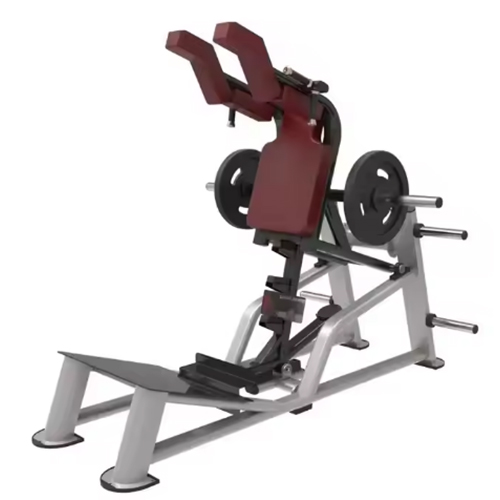
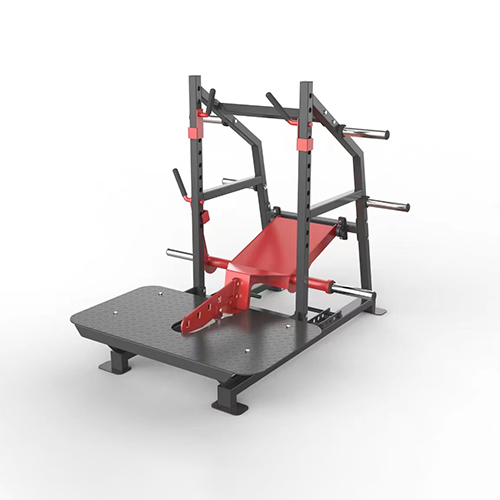
To get the most out of your squat rack exercises, follow these expert tips:
- Warm Up Properly: Spend 5–10 minutes on dynamic stretches or light cardio to prep your muscles and joints.
- Focus on Form: Poor technique can lead to injury. Use a mirror or record yourself to check your form, especially for complex moves like deadlifts.
- Progressive Overload: Gradually increase weight, reps, or sets over time to keep challenging your muscles.
- Rest and Recover: Allow 48–72 hours between heavy squat rack sessions to let your muscles repair and grow.
- Use Accessories: Incorporate resistance bands or chains on the squat rack for added intensity and variety.
Common Mistakes to Avoid
Even seasoned lifters can slip up. Here are pitfalls to watch out for:
- Skipping Safety Bars: Always set the squat rack’s safety pins to catch the bar if you fail a lift.
- Overloading Too Soon: Adding too much weight before mastering form risks injury.
- Neglecting Core Engagement: A braced core stabilizes your spine during heavy lifts.
- Rushing Reps: Controlled movements maximize muscle activation and reduce strain.
Conclusion
Squat rack exercises are a game-changer for anyone serious about fitness. They’re versatile, effective, and adaptable to any skill level, making them a must-have in your training arsenal. As a leading supplier of fitness equipment, we’re passionate about helping you achieve your goals with high-quality squat racks and other gear that meet ISO and CE standards. Whether you’re outfitting a fitness club, a private studio, or your home gym, our products are designed to deliver results.
Ready to transform your workouts? Start incorporating these squat rack exercises today, and don’t hesitate to reach out for customized equipment solutions tailored to your needs. Let’s build strength together—get started now!
FAQ
Here are answers to common questions about squat rack exercises, perfect for fitness enthusiasts or gym owners looking to optimize their setups.
What makes squat rack exercises better than machine-based workouts?
Squat rack exercises use free weights, engaging more stabilizing muscles and mimicking real-world movements. This builds functional strength and improves balance, unlike machines that restrict motion.
Can beginners safely perform squat rack exercises?
Absolutely! Start with bodyweight or light weights, focus on form, and use the squat rack’s safety features. Consider working with a trainer to learn proper technique.
How often should I include squat rack exercises in my routine?
Aim for 2–3 sessions per week, targeting different muscle groups each time. Allow rest days for recovery, especially after heavy lifts like squats or deadlifts.
Do I need additional equipment for squat rack exercises?
A squat rack and barbell are the core setup. For some exercises, like bench presses, you’ll need a bench. Accessories like weight plates, collars, and resistance bands can enhance your workouts.
How do I choose the right squat rack for my gym or home?
Look for a sturdy, adjustable rack with safety features like pins or spotter arms. Ensure it meets quality standards (like ISO/CE) and fits your space and lifting needs. Contact a professional supplier for tailored recommendations.