
Welcome to My Blog!
Before we dive into the content, I’d love for you to join me on my social media platforms where I share more insights, engage with the community, and post updates. Here’s how you can connect with me:
Facebook:https://www.facebook.com/profile.php?id=61553215985287
LinkedIn:https://www.linkedin.com/showcase/99329941/admin/dashboard/
Tiktok:www.tiktok.com/@shandongvitalfitness
Now, let’s get started on our journey together. I hope you find the content here insightful, engaging, and valuable.
Table of Contents
Introduction
Choosing the right squat rack is essential for setting up a safe and effective workout space. One of the most critical factors to consider is the dimensions of the squat rack. The right dimensions ensure that the rack fits your space, meets your training needs, and provides a safe environment for lifting. This comprehensive guide will cover everything you need to know about squat rack dimensions, helping you make an informed decision for your home or commercial gym.
Understanding Squat Rack Dimensions
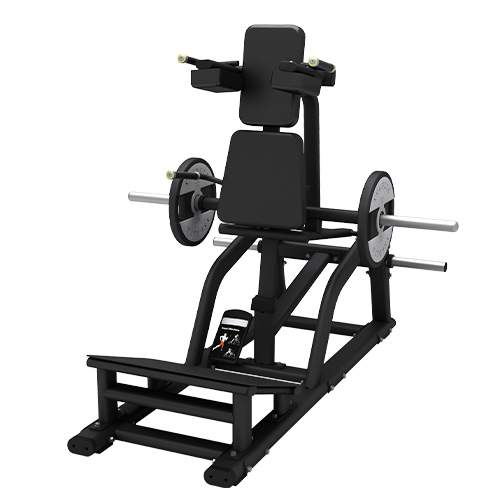
What Are Squat Rack Dimensions?
Squat rack dimensions refer to the measurements of the squat rack, including its height, width, depth, and sometimes additional features like the spacing of holes for adjustments. These dimensions play a crucial role in the functionality and safety of the equipment.
Key Dimensions to Consider
- Height: The vertical measurement from the base to the top of the rack.
- Width: The horizontal measurement across the rack.
- Depth: The distance from the front to the back of the rack.
- Hole Spacing: The distance between adjustment holes on the uprights.
Importance of Proper Squat Rack Dimensions
Proper squat rack dimensions are essential for several reasons:
- Space Fit: Ensuring the rack fits within the allocated space without overcrowding.
- User Safety: Providing adequate height and width to accommodate various exercises safely.
- Functionality: Ensuring the rack supports the intended range of exercises and user needs.
Standard Squat Rack Dimensions
Typical Dimensions for Home Gyms
Home gyms often have limited space, so choosing a squat rack with appropriate dimensions is crucial. Standard squat rack dimensions for home use typically range:
- Height: 80-90 inches
- Width: 48-50 inches
- Depth: 48-50 inches
Dimensions for Commercial Gyms
Commercial gyms usually have more space and a higher volume of users, necessitating larger and more robust racks. Standard dimensions for commercial squat racks are generally:
- Height: 90-100 inches
- Width: 50-60 inches
- Depth: 50-60 inches
Table: Comparison of Squat Rack Dimensions
| Type of Squat Rack | Height (inches) | Width (inches) | Depth (inches) | Ideal Use |
|---|---|---|---|---|
| Home Gym | 80-90 | 48-50 | 48-50 | Limited space, personal use |
| Commercial Gym | 90-100 | 50-60 | 50-60 | High traffic, multiple users |
| Half Rack | 70-85 | 45-55 | 40-50 | Space-saving, versatile |
| Power Rack | 85-100 | 50-60 | 50-60 | Full range of exercises |
| Wall-Mounted Rack | 70-85 | 48-52 | 25-35 | Compact, foldable |
Factors to Consider When Choosing Squat Rack Dimensions
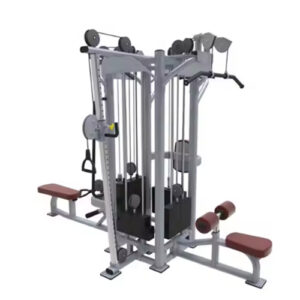
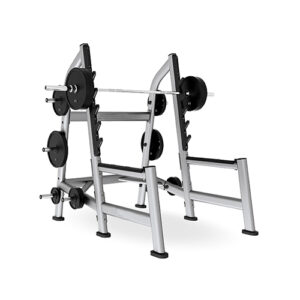
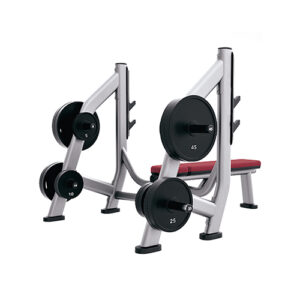

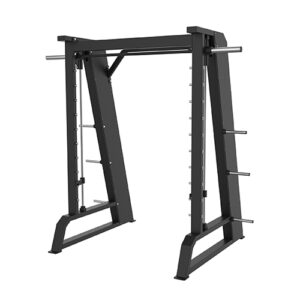
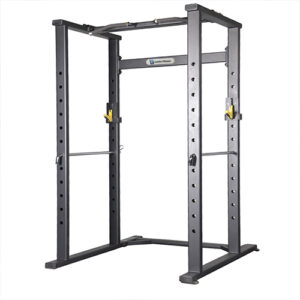
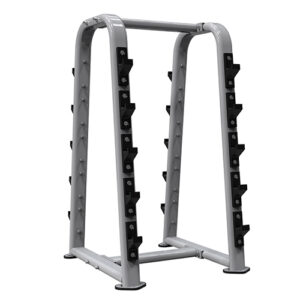
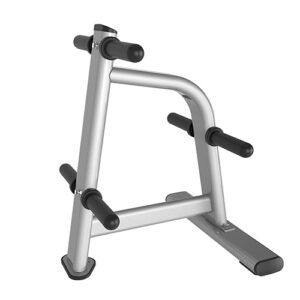
Available Space
Assessing the available space in your gym area is the first step in choosing the right squat rack dimensions. Measure the height, width, and depth of the space to ensure the rack will fit comfortably without obstructing other equipment or walkways.
Space Considerations
- Ceiling Height: Ensure there is enough vertical clearance, especially if you plan to do pull-ups or other overhead exercises.
- Floor Space: Leave enough room around the rack for safe movement and exercise.
- Wall Clearance: Consider the distance from the wall if you are opting for a wall-mounted rack.
Training Needs
Your training needs and goals will influence the dimensions of the squat rack you choose. Consider the types of exercises you plan to perform and whether you need additional features like a pull-up bar or dip station.
Exercise Variety
- Squats: Ensure the rack is wide enough to accommodate your stance and the barbell.
- Bench Press: Check the height and hole spacing for bench press compatibility.
- Pull-Ups and Dips: Look for racks with integrated pull-up bars and dip stations if needed.
User Height and Build
The height and build of the primary users of the rack should be taken into account. Taller users may require a higher rack, while shorter users need to ensure they can reach and adjust the barbell comfortably.
User-Specific Adjustments
- Hole Spacing: Closer hole spacing allows for more precise adjustments for different exercises.
- Rack Height: Ensure the rack height is appropriate for all users to safely unrack and rack the barbell.
Budget
Squat racks come in a range of prices, and the cost can be influenced by the dimensions and features. Set a budget and consider racks that offer the best value for your money while meeting your dimensional needs.
Cost vs. Features
- Basic Racks: Often more affordable but may have fewer features and smaller dimensions.
- Premium Racks: Higher cost with additional features, larger dimensions, and greater durability.
Customizing Squat Rack Dimensions
Modular and Adjustable Racks
Some squat racks offer modular designs and adjustable dimensions, allowing you to customize the rack to suit your space and training needs.
Benefits of Customization
- Flexibility: Adapt the rack to different exercises and users.
- Space Efficiency: Optimize the use of available space.
- Future-Proofing: Adjust the rack as your training needs evolve.
DIY Squat Racks
For those with specific dimensional requirements or limited budgets, building a DIY squat rack can be a viable option. This allows you to tailor the dimensions precisely to your space and needs.
DIY Considerations
- Materials: Use high-quality materials to ensure safety and durability.
- Design: Follow a proven design plan or consult with a professional.
- Safety: Ensure the rack is stable and can handle the intended weight.
Conclusion
Choosing the right squat rack dimensions is crucial for creating a safe and effective workout environment. By considering factors such as available space, training needs, user height and build, and budget, you can select a squat rack that fits your requirements perfectly. Whether you opt for a standard rack, a customizable option, or a DIY project, understanding squat rack dimensions will help you make an informed decision and enhance your fitness experience.
FAQ
What are the standard dimensions for a home gym squat rack?
Standard dimensions for a home gym squat rack typically range from 80 to 90 inches in height, 48 to 50 inches in width, and 48 to 50 inches in depth. These dimensions ensure the rack fits comfortably in a home gym while providing enough space for various exercises.
How do I measure my space for a squat rack?
To measure your space for a squat rack, follow these steps:
Measure the height from the floor to the ceiling.
Measure the width of the area where the rack will be placed.
Measure the depth of the area, including any clearance needed for movement around the rack.
Ensure there is enough space for safe exercise and access to other equipment.
Can I adjust the dimensions of a squat rack?
Yes, some squat racks offer adjustable dimensions and modular designs. These racks allow you to customize the height, width, and depth to fit your space and training needs. DIY squat racks also offer the flexibility to tailor dimensions precisely.
What should I consider when choosing a squat rack for multiple users?
When choosing a squat rack for multiple users, consider the following:
Adjustable Height: Ensure the rack can be adjusted to accommodate different user heights.
Hole Spacing: Closer hole spacing allows for more precise adjustments for various exercises.
Sturdiness: Choose a rack with a high weight capacity and stable construction to handle diverse workouts and user weights.
Are there specific dimensions for commercial gym squat racks?
Commercial gym squat racks typically have larger dimensions to accommodate higher traffic and more intensive use. Standard dimensions for commercial racks are usually 90 to 100 inches in height, 50 to 60 inches in width, and 50 to 60 inches in depth. These dimensions ensure durability and versatility for a wide range of exercises.