
Introduction
In today’s fast-paced world, finding time for a comprehensive workout can be challenging, especially for those with limited space at home. Small cardio equipment provides a convenient and effective solution, allowing individuals to maintain their fitness without needing a large home gym. This blog will explore various types of small cardio equipment, their benefits, and how to incorporate them into your fitness routine. Additionally, we’ll compare these to other popular fitness tools and provide maintenance tips, ensuring you get the most out of your investment.
Types of Small Cardio Equipment
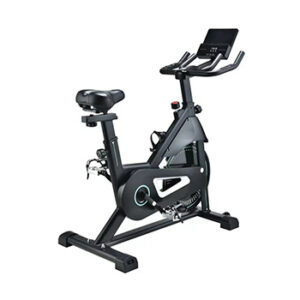
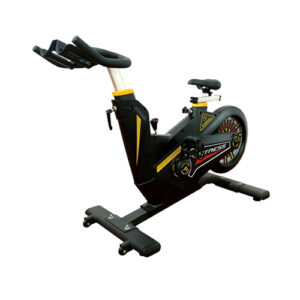
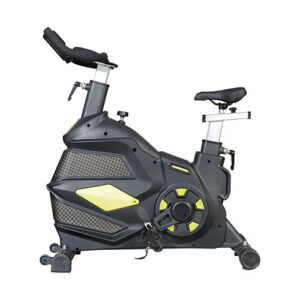
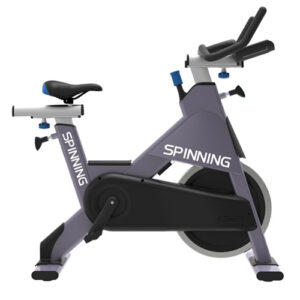
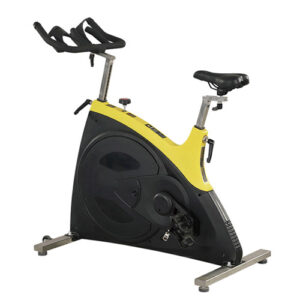
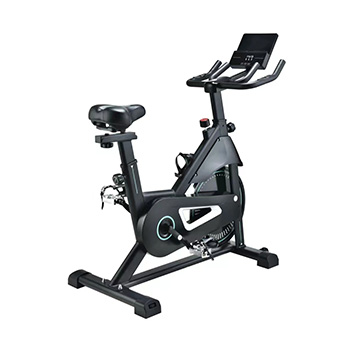
Indoor Spin Bike
- Double the fat burning
- Make fitness more effective
- Completely suitable for use by everyone in the family
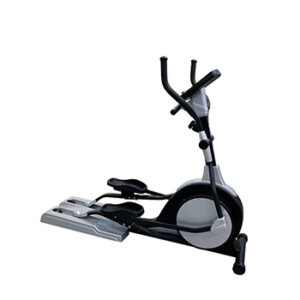
Elliptical Machine
- Not only an elliptical machine, is a complete intelligent motion system
- Make your training more effective
- Your family fitness partner
Commercial Treadmill
The treadmill offers the functionality of a full-size treadmill in a compact design. These treadmills are great for walking, jogging, and running for versatile aerobic exercise.
Benefits of Small Cardio Equipment
Space Efficiency
One of the primary benefits of small cardio equipment is that it takes up minimal space. This makes it ideal for people living in apartments or homes with limited space. These machines can easily be stored in closets or under beds, ensuring they are out of the way when not in use.
Cost-Effective
Small cardio equipment tends to be more affordable than larger machines. This makes it a cost-effective solution for individuals looking to maintain their fitness without breaking the bank. Additionally, the lower price point allows for the purchase of multiple types of equipment to diversify your workouts.
Versatility
Despite their small size, these pieces of equipment offer a wide range of exercises. From high-intensity interval training (HIIT) to steady-state cardio, small cardio equipment can cater to various fitness levels and goals.
Convenience
Having small cardio equipment at home means you can work out whenever it suits you, without needing to travel to a gym. This convenience is particularly beneficial for those with busy schedules or who prefer to exercise in the privacy of their own home.
Enhanced Cardiovascular Health
Regular use of cardio equipment, even small machines, can significantly improve cardiovascular health. These workouts increase heart rate, improve blood circulation, and help reduce the risk of heart disease.
Comparing Small Cardio Equipment to Other Fitness Tools
While small cardio equipment offers numerous benefits, it’s helpful to compare them with other fitness tools to understand their unique advantages. Here’s a comparative analysis:
| Feature | Small Cardio Equipment | Free Weights | Resistance Bands | Large Cardio Machines |
|---|---|---|---|---|
| Space Requirements | Minimal | Moderate | Minimal | Significant |
| Cost | Low to Moderate | Low to Moderate | Low | High |
| Portability | High | High | High | Low |
| Versatility | High | High | High | Moderate |
| Maintenance | Low | Low | Low | Moderate to High |
Explanation of Table
- Space Requirements: Small cardio equipment generally requires less space compared to large cardio machines, making them ideal for small living spaces.
- Cost: Small cardio equipment is usually more affordable, though high-end models can be pricier.
- Portability: Most small cardio equipment is highly portable, unlike large cardio machines which are often stationary.
- Versatility: Small cardio equipment can be used for a variety of workouts, similar to free weights and resistance bands.
- Maintenance: Small cardio equipment typically requires minimal maintenance, making them easy to own and use regularly.
Incorporating Small Cardio Equipment into Your Routine
Creating a Workout Plan
- Assess Your Goals: Determine what you want to achieve with your workouts. Whether it’s weight loss, improved cardiovascular health, or increased endurance, having clear goals will help you choose the right equipment.
- Mix and Match: Combine different types of small cardio equipment to create a well-rounded workout routine. For example, use a mini stepper for lower body strength, a jump rope for high-intensity cardio, and an under-desk elliptical for steady-state cardio.
- Set a Schedule: Consistency is key. Set a regular workout schedule that fits your lifestyle, aiming for at least 150 minutes of moderate-intensity or 75 minutes of high-intensity cardio each week.
Sample Weekly Workout Plan
| Day | Workout |
|---|---|
| Monday | 20 minutes on the folding treadmill |
| Tuesday | 15 minutes jump rope + 10 minutes mini stepper |
| Wednesday | Rest or light activity |
| Thursday | 30 minutes stationary bike |
| Friday | 20 minutes under-desk elliptical |
| Saturday | 10 minutes jump rope + 20 minutes folding treadmill |
| Sunday | Rest or light activity |
Tracking Progress
- Use a Fitness Tracker: Wearable fitness trackers can help you monitor your heart rate, calories burned, and overall activity levels.
- Set Milestones: Establish short-term and long-term milestones to keep yourself motivated and track your progress.
- Adjust as Needed: Regularly review your workout plan and make adjustments based on your progress and any changes in your fitness goals.
Maintenance Tips for Small Cardio Equipment
Regular Cleaning
- Dust and Debris: Regularly wipe down your equipment to remove dust and debris that can accumulate over time. Use a damp cloth and mild detergent for cleaning.
- Sweat and Moisture: After each workout, clean any sweat or moisture from the equipment to prevent corrosion and maintain hygiene.
Lubrication
- Moving Parts: Some equipment, like folding treadmills and mini steppers, have moving parts that may require lubrication. Check the manufacturer’s instructions for guidance on how to properly lubricate these parts to ensure smooth operation.
Storage
- Proper Storage: Store your small cardio equipment in a dry, cool place. Avoid areas with high humidity or extreme temperatures, as these conditions can damage the equipment.
- Folding and Compacting: If your equipment is foldable, make sure to properly fold and compact it before storing. This not only saves space but also protects the equipment from unnecessary wear and tear.
Regular Inspection
- Check for Wear and Tear: Periodically inspect your equipment for signs of wear and tear. Look for any loose bolts, cracks, or other damage that could affect the equipment’s performance or safety.
- Replace Parts as Needed: If any parts are worn out or damaged, replace them promptly to ensure the equipment remains safe and effective.
Conclusion
Small cardio equipment offers a practical, efficient, and cost-effective way to maintain and improve your cardiovascular health. Whether you’re a beginner looking to start a fitness routine or an experienced athlete seeking to add variety to your workouts, there’s a piece of small cardio equipment that can meet your needs. By understanding the different types, benefits, and how to incorporate them into your routine, you can make the most of these versatile tools. Remember to maintain your equipment properly to ensure longevity and optimal performance. With the right approach, small cardio equipment can help you achieve your fitness goals, all while fitting conveniently into your lifestyle.
FAQ
What is the best small cardio equipment for beginners?
For beginners, jump ropes and mini steppers are excellent choices. They are easy to use, affordable, and provide a great cardiovascular workout. Folding treadmills are also a good option for those who prefer walking or jogging.
How much space do I need for small cardio equipment?
Most small cardio equipment requires minimal space. For example, a folding treadmill can be stored under a bed or in a closet, and a mini stepper can fit in a small corner. Generally, you only need a small area to use and store these machines.
Can small cardio equipment provide a full-body workout?
While small cardio equipment primarily targets cardiovascular health, some pieces like mini steppers with resistance bands can provide a full-body workout. Additionally, combining different types of equipment can help you achieve a comprehensive workout routine.
How often should I use small cardio equipment to see results?
For noticeable results, aim to use your small cardio equipment for at least 150 minutes of moderate-intensity or 75 minutes of high-intensity cardio per week. Consistency is key, so try to incorporate these workouts into your routine regularly.
Is small cardio equipment suitable for all fitness levels?
Yes, small cardio equipment is suitable for all fitness levels. Beginners can start with lower intensity and shorter durations, while more advanced users can increase the intensity and duration to challenge themselves further.