
Table of Contents
Running Recovery Routine should be the reliable finish to every training session, not an afterthought. Building on practical mobility and strength steps (see the original SDVital post), this article expands into a compact, evidence-based routine you can follow after easy runs, tempo efforts, and long runs. SDVital
Why a Running Recovery Routine matters
A consistent Running Recovery Routine lowers injury risk, reduces next-day soreness, and helps muscles restore function so you can train again sooner. Recovery spans three pillars: mechanical (mobility and soft-tissue work), physiological (nutrition and hydration), and restorative (sleep and autonomic regulation). Clear routines help athletes and coaches measure what’s being done and why.
What to include: mobility, activation, and strength
A practical Running Recovery Routine usually begins within 10–20 minutes post-run and flows from light mobility to targeted activation.
- Light mobility (5–8 minutes): ankle circles, hip CARs, knee hugs — move joints through pain-free ranges.
- Soft-tissue work (3–6 minutes): short bouts of foam rolling on calves, quads, glutes. Evidence shows foam rolling can reduce perceived soreness and speed recovery of strength/sprint measures versus passive rest.
- Activation (5 minutes): glute bridges, single-leg RDL with bodyweight, banded lateral walks — low load, high quality.
- Brief strength or stability (2–8 minutes): two low-fatigue exercises (e.g., 2×8 single-leg step-downs) to preserve neuromuscular control.
Keep sets light and intentioned: the recovery objective is restoration and readiness, not further fatigue.
Post-run nutrition inside your Running Recovery Routine
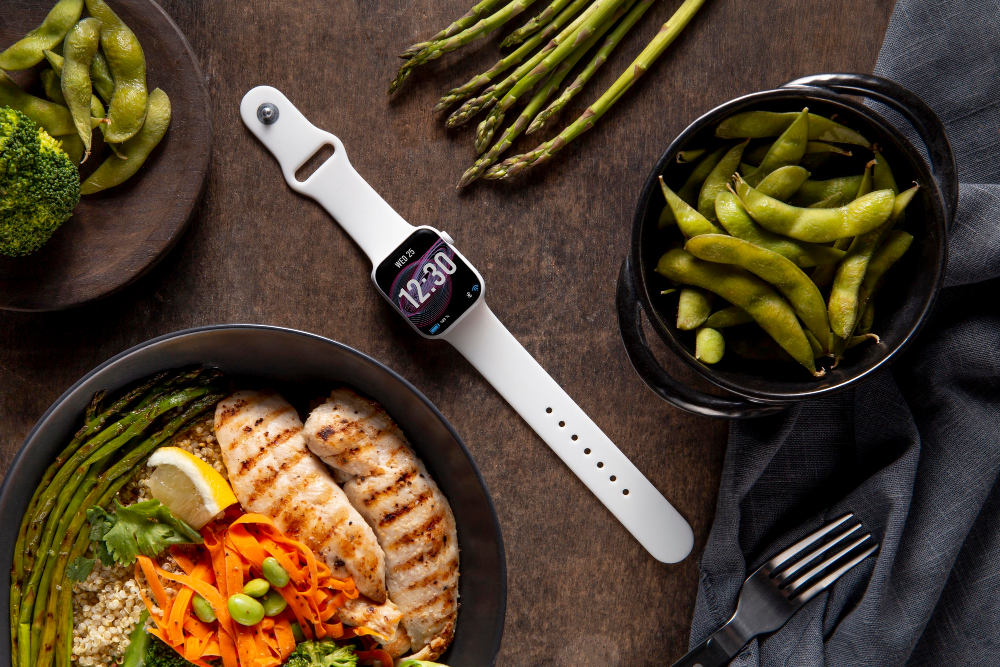
Refueling after higher-intensity or long runs accelerates glycogen resynthesis and supports repair. A Running Recovery Routine that includes a carbohydrate source (~1.0–1.2 g·kg⁻¹·h⁻¹ initially for long endurance sessions) and a 15–25 g protein bolus helps recovery and subsequent performance. Combining carbs and protein shows better recovery markers than carbs alone in many studies.
Hydration: replace sweat losses and include sodium if sessions were long or hot. Keep a simple log of weight change pre/post run to guide fluid targets.
Active vs passive elements — evidence to guide choices
An effective Running Recovery Routine balances passive rest with active strategies that promote circulation. Recent reviews suggest that active recovery modalities (light movement, low-intensity cycling, or walking) can be beneficial for short-term recovery markers, while some modalities like cold water immersion or contrast therapy can help acute soreness but should be used selectively depending on training goals. Use these tools strategically rather than routinely.
Sample 24–48 hour Running Recovery Routine
Immediately (0–30 min) — short mobility, 90–120 seconds per foam-roll target, 15–25 g protein + carb snack, rehydrate.
2–6 hours — easy walking or gentle bike (10–20 min) if legs feel heavy; short nap or early bedtime if possible.
6–24 hours — light activation session (15 min), soft-tissue maintenance as needed.
24–48 hours — plan a quality CT (cross-training) or easy run depending on training block and how the body responds.
This Running Recovery Routine template is adjustable: more intense sessions require more nutrition and a stricter monitoring window; easy runs demand less intervention.
Monitoring and objective markers in your Running Recovery Routine
Track simple, objective items to guide progression: resting heart rate, HRV (if you use it), sleep hours/quality, perceived soreness (0–10), and a quick single-leg balance or hop test. If multiple markers worsen, delay intensity and extend recovery.
Tools to use carefully (foam rolling, cold therapy, compression)
- Foam rolling: short sessions can reduce DOMS and support ROM recovery—use 90–120 seconds per muscle group as tolerated.
- Cold water/contrast therapy: effective for short-term soreness and performance restoration after high-intensity efforts; avoid overuse when chronic adaptation (strength gains) is the priority.
- Compression and sleep hygiene: compression garments may help perception and swelling; prioritize consistent sleep and sleep quality as core recovery tools.
How to make this Running Recovery Routine stick
1.Keep it short and scheduled — 20 minutes daily is more sustainable than a long, infrequent ritual.
2.Log one clear metric (sleep, soreness score, or resting HR) to evaluate effectiveness.
3.Use targeted interventions only when evidence supports them for your immediate goal (rapid recovery vs. adaptation).
Closing summary
A robust Running Recovery Routine blends mobility, gentle activation, targeted nutrition, and prioritized sleep. Built and tracked properly, it reduces downtime between sessions and helps you progress safely. If you want, I can convert this plan into a printable checklist or a week-by-week template tailored to your typical weekly mileage.
For more information, please click here.