
Table of Contents
Post-Run Stretching is one of the simplest tools runners can add to their cooldown to protect mobility and prepare for the next workout. A short, focused sequence after a run—paired with a light walk—helps muscles relax, restores range of motion, and signals the body to shift into recovery mode. (This opening paragraph contains the required single early mention of the main keyword.)
The evidence snapshot: what science actually shows

Research into post-exercise stretching reports modest, mixed benefits for soreness and range of motion, and little consistent effect on preventing all types of injury. A 2021 systematic review found limited—but measurable—short-term gains in flexibility and small effects on delayed-onset muscle soreness, depending on protocol.
Large reviews from exercise scientists and health authorities also emphasize that cooling down (walking 5–10 minutes) plus gentle stretching is safe and practical, even if stretching alone is not a silver bullet for injury prevention.
Why include post-run stretching anyway?
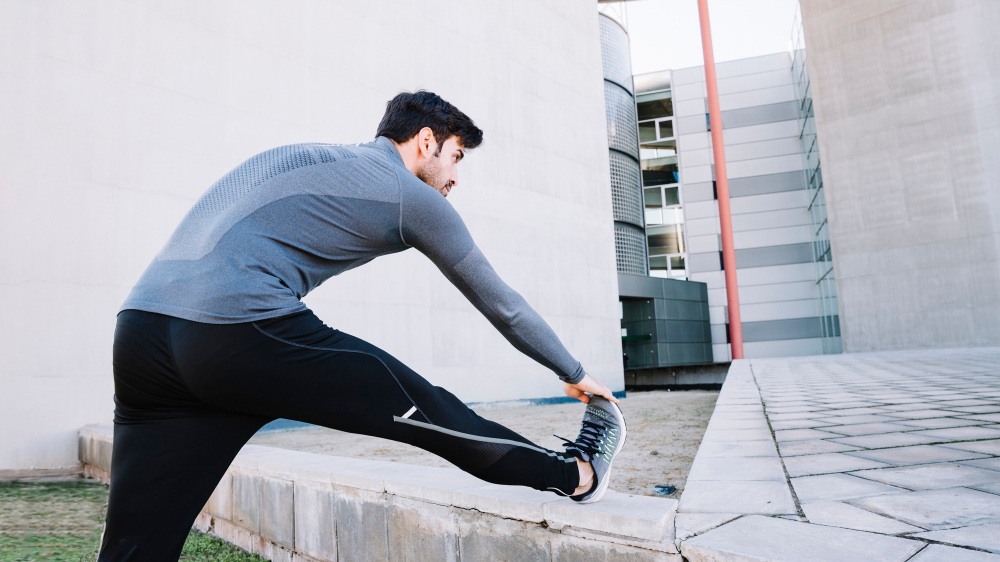
Short answer: it’s low-cost, low-risk, and helps preserve functional range of motion for everyday running mechanics. When targeted to tight areas—calves, hamstrings, quads, hip flexors, and glutes—post-run stretching helps maintain stride efficiency and reduces the stiffness that can accumulate with repeated training.
Practical note: static stretches held gently for 15–30 seconds are common after runs; avoid bouncing and never force a stretch into pain. Technique cues come from orthopedics and sports medicine guidelines.
A simple 8-minute Post-Run Stretching routine
Keep each stretch 20–30 seconds, repeat once per side if needed.
- Standing calf stretch (knee straight → gastrocnemius).
- Seated hamstring reach (one leg extended, avoid rounding the low back).
- Quadriceps standing pull (ankle to glute, pelvis neutral).
- Kneeling hip-flexor stretch (gentle anterior hip opening).
- Figure-4 glute stretch (supine or seated).
- IT band / lateral thigh reach (side lean — no aggressive forcing).
- Lower-back rotation (supine knees-twist, gentle).
- Deep diaphragmatic breathing + shoulder opener.
Use the movements as mobility checks: if a stretch returns you to normal range quickly, short holds are fine; if tightness persists across days, consider adding structured mobility and strength work.
Timing and order: cooldown first, then stretch
Begin with a 5–10 minute brisk walk or easy jog to lower heart rate and keep tissues warm. Then perform your static holds. This sequence aligns with guidelines that stretching cold tissues increases risk of strain; warming first improves safety and comfort.
Should all runners stretch after every run?
Everyday commuters, base-mileage runners, and recovery-run athletes benefit most from short post-run stretching. Track sessions or sprint-heavy workouts may require different recovery (e.g., warm-down + mobility + targeted soft tissue work). Recent systematic reviews suggest that stretching as a stand-alone recovery tool shows limited effects on soreness and performance, so combine it with hydration, nutrition, and sleep for best outcomes.
Common mistakes to avoid in Post-Run Stretching
- Stretching cold—always warm first.
- Holding stretches so long they cause pain—stop before pain starts.
- Thinking stretching replaces strength or mobility training—stretching complements other work.
- Overdoing static stretching before races—this can transiently reduce explosive power.
When to add more advanced approaches
If you have chronic tightness or recurring niggles, add these to your plan: foam rolling for localized tissue soreness, eccentric strength for calf/Achilles health, and structured mobility sessions (2–3× weekly). Evidence shows multimodal recovery beats stretching alone for many outcomes.
Quick checklist runners can follow tonight
- Walk 5–10 minutes after your run.
- Do 6–8 focused stretches, 20–30 seconds each.
- Breathe and relax the target muscle.
- Log which areas feel persistently tight and address them with strength work.
Practical takeaways
Post-Run Stretching is not a cure-all, but it’s a safe, practical habit that supports mobility, complements recovery strategies, and helps runners keep movement quality high between sessions. Use it alongside other evidence-based recovery tools for measurable benefits.
To learn more about the post-run recovery techniques, please click here.