
Introduction
Pilates has gained immense popularity over the years, thanks to its numerous health benefits, including improved flexibility, strength, and overall fitness. One of the most versatile pieces of equipment in Pilates is the Pilates Tower Reformer. This comprehensive guide will delve into the various aspects of Pilates Tower Reformer workouts, from understanding the equipment to mastering different exercises and routines. Whether you’re a beginner or an experienced practitioner, this guide will provide you with valuable insights and tips to enhance your Pilates journey.
Understanding the Pilates Tower Reformer
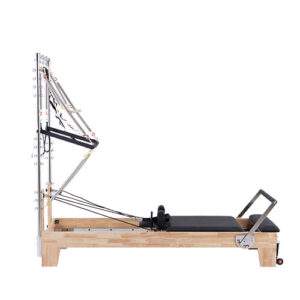
What is a Pilates Tower Reformer?
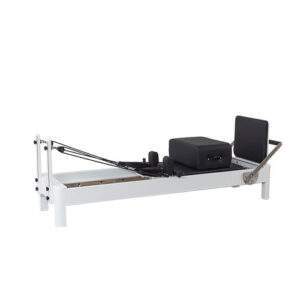
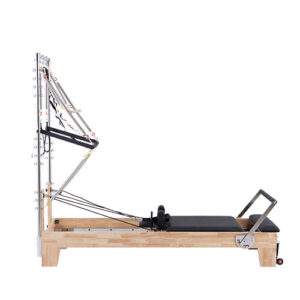
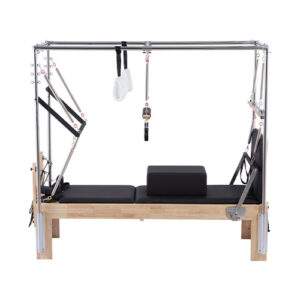
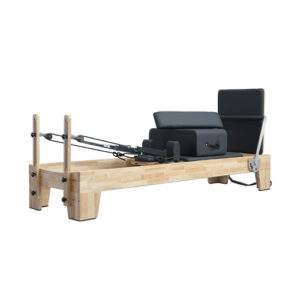
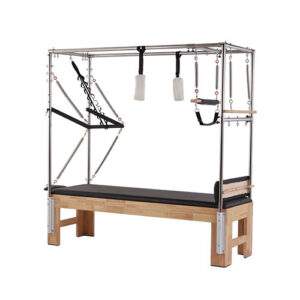
A Pilates Tower Reformer combines two popular Pilates apparatuses: the Reformer and the Tower. The Reformer consists of a sliding carriage, adjustable springs, and a footbar, while the Tower includes vertical poles with various attachments such as push-through bars, roll-down bars, and springs. This combination allows for a wide range of exercises that target different muscle groups and provide a comprehensive full-body workout.
Key Components of a Pilates Tower Reformer
Reformer Carriage: The sliding platform that moves back and forth on the Reformer.
Springs: Provide resistance and support during exercises.
Footbar: Used for foot and leg exercises.
Tower Poles: Vertical poles that support various attachments.
Push-Through Bar: A movable bar attached to the Tower for upper body exercises.
Roll-Down Bar: A bar used for spinal articulation and core exercises.
Handles and Straps: Used for arm and leg exercises.
Benefits of Using a Pilates Tower Reformer
- Full-Body Workout: Engages multiple muscle groups for a balanced workout.
- Improved Flexibility: Enhances flexibility through a range of motion exercises.
- Increased Strength: Builds strength, particularly in the core, back, and legs.
- Enhanced Coordination: Improves balance and coordination.
- Low Impact: Gentle on the joints, making it suitable for all fitness levels.
Getting Started with Pilates Tower Reformer Workouts
Choosing the Right Pilates Tower Reformer
Selecting the right Pilates Tower Reformer is crucial for your workout experience. Consider factors such as the build quality, adjustability, and available accessories. High-quality Reformers offer better stability and durability, ensuring a safe and effective workout.
Setting Up Your Pilates Tower Reformer
Proper setup is essential for safety and effectiveness. Follow these steps to set up your Pilates Tower Reformer:
Adjust the Springs: Set the springs to the desired resistance level.
Position the Carriage: Ensure the carriage moves smoothly along the frame.
Attach the Bars: Secure the push-through and roll-down bars to the Tower poles.
Check the Straps: Ensure the straps and handles are properly attached and adjusted.
Basic Safety Tips
Safety is paramount when using a Pilates Tower Reformer. Keep these tips in mind:
- Warm Up: Always start with a warm-up to prepare your muscles.
- Maintain Control: Perform exercises with controlled movements.
- Listen to Your Body: Avoid pushing yourself too hard; stop if you experience pain.
- Consult a Professional: If you’re new to Pilates, consider working with a certified instructor.
Pilates Tower Reformer Exercises
Core Exercises
The Hundred
The Hundred is a classic Pilates exercise that targets the core muscles. Here’s how to perform it on the Pilates Tower Reformer:
Setup: Lie on the Reformer carriage with your legs in tabletop position and your arms extended by your sides.
Movement: Lift your head, neck, and shoulders off the carriage. Pump your arms up and down while inhaling for five counts and exhaling for five counts.
Repetitions: Complete 10 sets of 10 pumps.
Roll-Up
The Roll-Up is excellent for spinal articulation and core strength.
Setup: Lie on the Reformer carriage with your legs extended and arms reaching overhead, holding the roll-down bar.
Movement: Inhale as you lift your arms toward the ceiling. Exhale as you roll up through your spine to reach forward over your legs.
Repetitions: Perform 5-10 roll-ups.
Lower Body Exercises
Leg Circles
Leg Circles target the hip flexors and core stability.
Setup: Lie on the Reformer carriage with your legs in tabletop position, straps around your feet.
Movement: Extend your legs toward the ceiling. Circle your legs outward and then inward, keeping your core engaged.
Repetitions: Complete 5-10 circles in each direction.
Footwork
Footwork exercises strengthen the legs and improve lower body alignment.
Setup: Lie on the Reformer carriage with your feet on the footbar.
Movement: Press through your heels to extend your legs. Return to the starting position with control.
Repetitions: Perform 10-15 repetitions.
Upper Body Exercises
Chest Expansion
Chest Expansion targets the upper back and shoulders.
Setup: Kneel on the Reformer carriage facing the Tower, holding the handles.
Movement: Pull the handles back, opening your chest. Return to the starting position.
Repetitions: Perform 8-12 repetitions.
Arm Circles
Arm Circles enhance shoulder mobility and strength.
Setup: Stand facing the Tower, holding the handles with arms extended forward.
Movement: Circle your arms outward and then inward, maintaining control.
Repetitions: Complete 5-10 circles in each direction.
Flexibility and Mobility Exercises
Cat-Cow Stretch
The Cat-Cow Stretch improves spinal mobility and flexibility.
Setup: Kneel on the Reformer carriage with your hands on the footbar.
Movement: Inhale as you arch your back (cow). Exhale as you round your spine (cat).
Repetitions: Perform 8-10 repetitions.
Mermaid Stretch
The Mermaid Stretch targets the sides of the body and spine.
Setup: Sit on the Reformer carriage with one leg bent in front and the other extended to the side.
Movement: Reach your arm overhead and bend toward the extended leg. Return to the starting position.
Repetitions: Perform 5-8 repetitions on each side.
Sample Pilates Tower Reformer Workout Plan
| Day | Exercise | Sets | Repetitions |
|---|---|---|---|
| 1 | The Hundred | 1 | 10 sets |
| Leg Circles | 3 | 10 each way | |
| Chest Expansion | 3 | 12 | |
| Cat-Cow Stretch | 2 | 10 | |
| —– | —————————– | —— | ————- |
| 2 | Roll-Up | 2 | 10 |
| Footwork | 3 | 15 | |
| Arm Circles | 3 | 10 each way | |
| Mermaid Stretch | 2 | 8 each side | |
| —– | —————————– | —— | ————- |
| 3 | Rest Day | ||
| —– | —————————– | —— | ————- |
| 4 | The Hundred | 1 | 10 sets |
| Leg Circles | 3 | 10 each way | |
| Chest Expansion | 3 | 12 | |
| Cat-Cow Stretch | 2 | 10 | |
| —– | —————————– | —— | ————- |
| 5 | Roll-Up | 2 | 10 |
| Footwork | 3 | 15 | |
| Arm Circles | 3 | 10 each way | |
| Mermaid Stretch | 2 | 8 each side | |
| —– | —————————– | —— | ————- |
| 6 | Rest Day | ||
| —– | —————————– | —— | ————- |
| 7 | The Hundred | 1 | 10 sets |
| Leg Circles | 3 | 10 each way | |
| Chest Expansion | 3 | 12 | |
| Cat-Cow Stretch | 2 | 10 |
Conclusion
Pilates Tower Reformer workouts offer a comprehensive approach to fitness, combining strength, flexibility, and coordination. By understanding the equipment, mastering various exercises, and following a structured workout plan, you can enhance your Pilates practice and achieve your fitness goals. The benefits of using a Pilates Tower Reformer extend beyond physical health, promoting mental well-being and overall quality of life.
FAQ
What is the primary benefit of using a Pilates Tower Reformer?
The primary benefit of using a Pilates Tower Reformer is the ability to perform a wide range of exercises that target different muscle groups, providing a comprehensive full-body workout that enhances strength, flexibility, and coordination.
Can beginners use a Pilates Tower Reformer?
Yes, beginners can use a Pilates Tower Reformer. It is recommended to start with basic exercises and gradually progress to more advanced routines. Working with a certified Pilates instructor can also help beginners learn proper techniques and avoid injuries.
How often should I do Pilates Tower Reformer workouts?
The frequency of Pilates Tower Reformer workouts
depends on your fitness goals and schedule. Generally, practicing Pilates 2-3 times a week is effective for building strength, improving flexibility, and enhancing overall fitness.
Is the Pilates Tower Reformer suitable for rehabilitation?
Yes, the Pilates Tower Reformer is often used in rehabilitation settings due to its low-impact nature and ability to provide controlled resistance. It can help individuals recover from injuries, improve mobility, and strengthen muscles without putting excessive strain on the joints.
How do I maintain my Pilates Tower Reformer?
To maintain your Pilates Tower Reformer, regularly check and tighten any loose bolts or screws, clean the equipment with a damp cloth, and inspect the springs and straps for signs of wear. Proper maintenance ensures the longevity and safety of the equipment.