
Table of Contents
Introduction
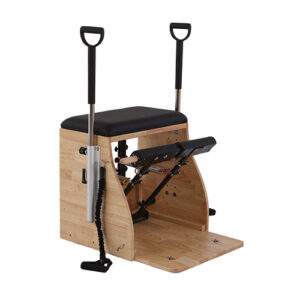
In recent years, the Pilates chair has transformed from a niche professional tool into one of the most versatile pieces of home and studio fitness equipment. Originally designed by Joseph Pilates to improve balance, control, and core strength, this compact yet powerful apparatus now appears in gyms, physiotherapy centers, and private homes alike.
But as its popularity grows, so does the need to understand its functions, benefits, and maintenance. This ultimate guide by SDVital—a trusted supplier of professional fitness and rehabilitation equipment—will walk you through everything from setup and workouts to care, comparisons, and buying tips.
What Is a Pilates Chair and How It Works
Understanding the Structure
A Pilates chair typically features:
- A solid wooden or metal frame for stability
- A padded seat or platform for comfort
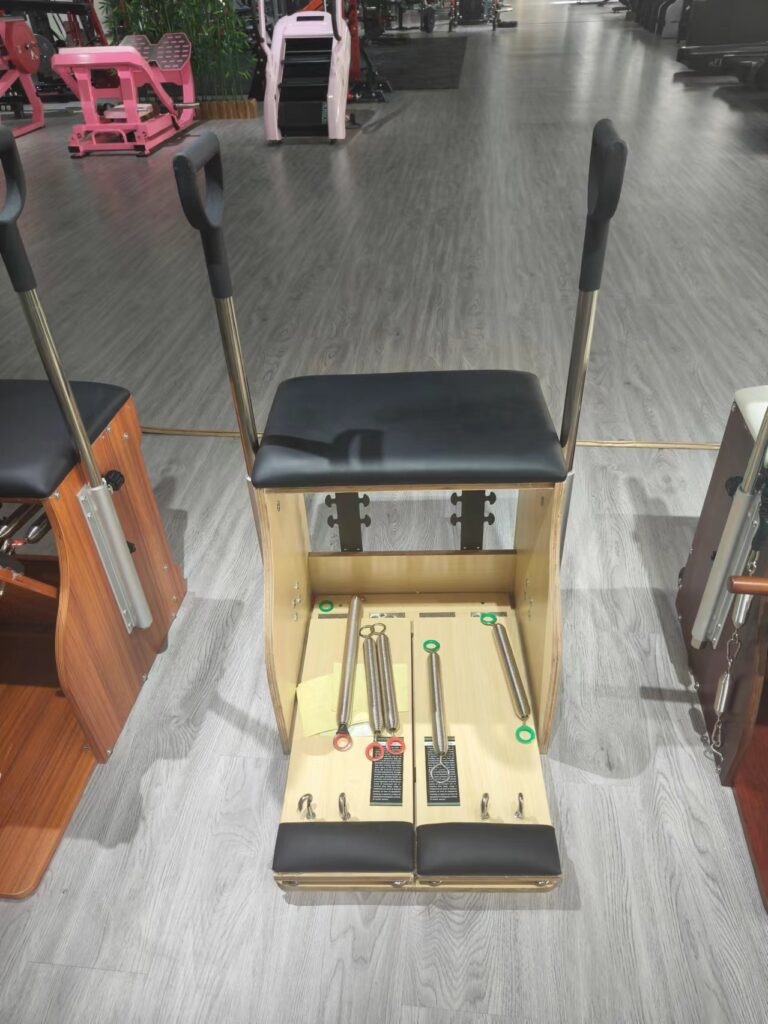
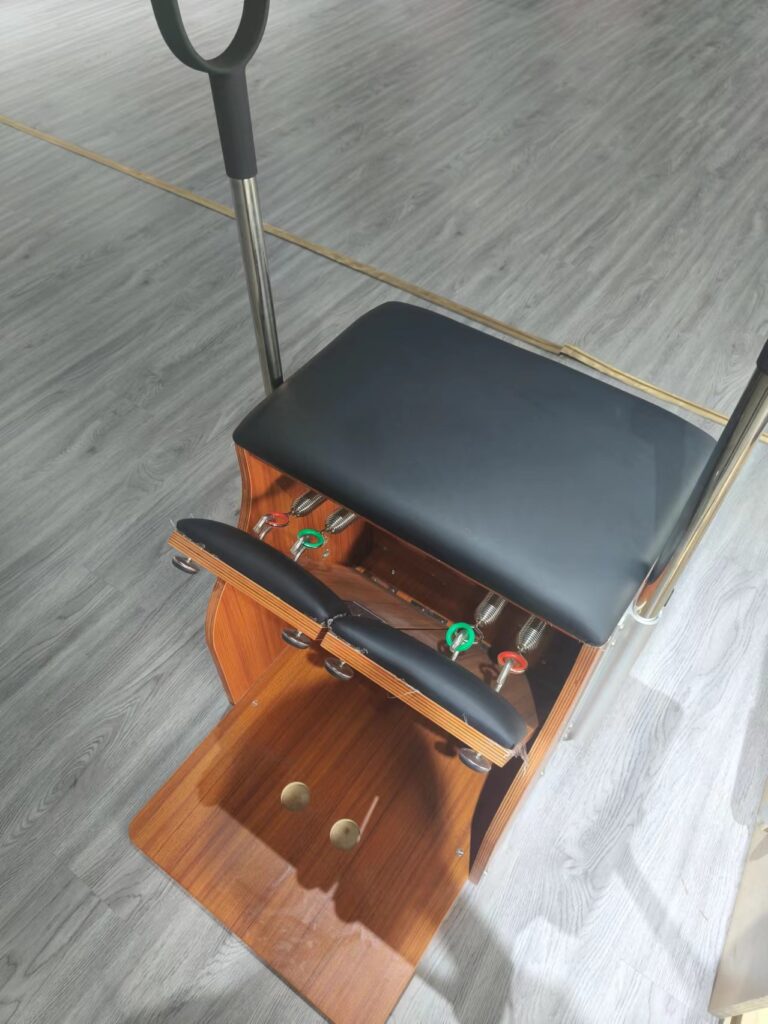
- One or two pedals that move under spring resistance
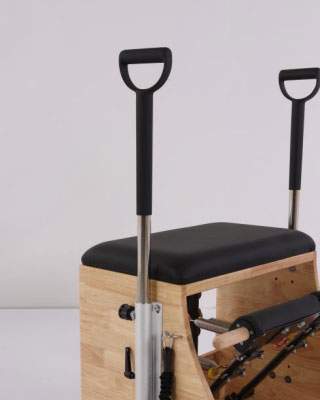
- Adjustable handles for upper body support
The Working Mechanism
When you push or pull the pedals, the spring resistance system creates controlled tension. This motion mimics natural body mechanics, engaging your core, legs, arms, and stabilizing muscles simultaneously.
How It Differs from Other Pilates Equipment
While the Reformer emphasizes horizontal movement and sliding resistance, the pilates workout chair focuses on vertical strength, balance, and coordination. Its smaller footprint makes it ideal for compact studios or home gyms.
Key Benefits of Training with a Pilates Chair
Full-Body Strength and Stability
Each exercise activates multiple muscle groups—particularly the core, glutes, and lower back—while improving posture and control.
Compact but Powerful
Unlike larger machines, a pilates workout chair occupies minimal space yet supports over 70 distinct exercises, from strength conditioning to balance training.
Safe and Low-Impact
Its smooth resistance system allows users to train intensely without joint stress, making it ideal for seniors or those in recovery.
Benefits at a Glance
- Improves core engagement
- Enhances flexibility and coordination
- Builds functional strength
- Encourages mind-body connection
Key Features to Look For When Buying a Pilates Chair
Essential Elements Checklist
When choosing your chair, look for:
- Frame Material – Wood offers aesthetics and stability; aluminum provides lighter portability.
- Pedal Type – Split pedals allow independent leg movement; single pedals promote symmetrical strength.
- Spring Resistance Levels – Adjustable options provide scalable intensity.
- Handle Adjustability – Crucial for safety and comfort.
- Seat Cushioning & Finish – Durable upholstery ensures long-term use.
Home vs. Commercial Use
| Feature | Home Pilates Chair | Commercial Pilates Chair |
|---|---|---|
| Size | Compact, foldable | Larger, heavy-duty frame |
| Resistance | Light to medium | High, variable springs |
| Maintenance | Simple | Requires routine inspection |
| User Capacity | 1–2 users | Multiple sessions per day |
How to Use a Pilates Chair Safely and Effectively
Warm-Up Essentials
Start with gentle movements to awaken muscles:
- Shoulder rolls
- Seated breathing exercises
- Standing calf raises
Sample Beginner Exercises
Seated Leg Press
Sit upright, place feet on the pedal, and push down slowly—ideal for strengthening quadriceps and glutes.
The Mountain Climb
With hands on the seat and one foot on the pedal, alternate legs for a dynamic cardio challenge.
The Swan Extension
Enhances spine mobility and posture by activating the upper back.
Safety Tips
- Always maintain control—avoid sudden jerks.
- Keep pedals aligned and springs balanced.
- Use a non-slip mat under the chair.
Pilates Chair Workouts for Different Levels
Beginner Routine (15–20 minutes)
Focus: Core activation & coordination
- Seated Press Down – 10 reps
- Footwork Series – 8 reps
- Standing Pike – 5 reps
Intermediate Routine (25–30 minutes)
Focus: Strength & endurance
- Side Arm Press – 8 reps
- Mountain Climb – 30 seconds
- Hamstring Stretch – 10 reps per leg
Advanced Routine (30–40 minutes)
Focus: Power & balance
- Handstand Prep – 5 reps
- Flying Eagle – 10 reps
- Chair Push-Up Flow – 8 reps
Maintenance and Care Tips for Your Pilates Chair
Regular Maintenance Elements
- Clean the frame weekly using a mild detergent.
- Inspect springs every 3–6 months.
- Lubricate hinges and pedals for smooth motion.
- Tighten screws and bolts as needed.
Extending Longevity
Proper care can double your machine’s lifespan. Avoid moisture, use protective flooring, and cover the chair when not in use.
Setting Up a Pilates Corner at Home or Studio
Space Planning
Ensure at least 2 meters of clearance around the chair for safe movement.
Studio Setup Ideas
- Align multiple chairs for group classes.
- Combine with reformers or barrels for hybrid sessions.
- Include mirrors to refine posture and alignment.
Who Should Use a Pilates Workout Chair
- Fitness instructors looking for versatile equipment
- Rehabilitation centers for controlled resistance therapy
- Home users seeking efficient, compact workouts
- Older adults improving balance and mobility
Concept Comparison: Pilates Chair vs. Reformer
| Element | Pilates Chair | Pilates Reformer |
|---|---|---|
| Movement | Vertical | Horizontal |
| Space | Small | Larger footprint |
| Focus | Core strength & balance | Flexibility & coordination |
| Cost | Generally lower | Higher investment |
| Ideal User | Home and studio | Professional studio |
The Pilates chair offers a more compact and balance-oriented experience, while the reformer provides more range of motion for full-body stretching. Many studios combine both to diversify training programs.
Conclusion
The Pilates chair stands out as one of the most versatile, space-saving, and functional training tools available today. Whether you’re a studio owner, physiotherapist, or home fitness enthusiast, mastering this compact machine can dramatically enhance strength, balance, and control.
At SDVital, we provide a full range of professional Pilates equipment—including customizable Pilates chairs for home and commercial settings. Ready to upgrade your fitness space? Contact us today for detailed product information, OEM options, and expert setup support.
FAQ
Is a Pilates chair good for beginners?
Yes! Start with basic movements and light resistance. It’s perfect for learning body alignment and core engagement safely.
What muscles does the Pilates chair work?
It targets your core, glutes, legs, shoulders, and arms—nearly every major muscle group.
How much space do I need for a pilates workout chair at home?
A clear area of about 2m × 1.5m is usually sufficient for safe movement.
Can a Pilates chair replace the Reformer?
They complement each other. A chair builds vertical strength, while a reformer improves flexibility and length.
How often should I maintain my pilates workout chair?
For frequent users, inspect springs monthly and lubricate moving parts every 6–8 weeks.
What’s the average lifespan of a pilates workout chair?
With regular care, a quality model can last 8–10 years in home use and 5–7 years in studios.