
Introduction
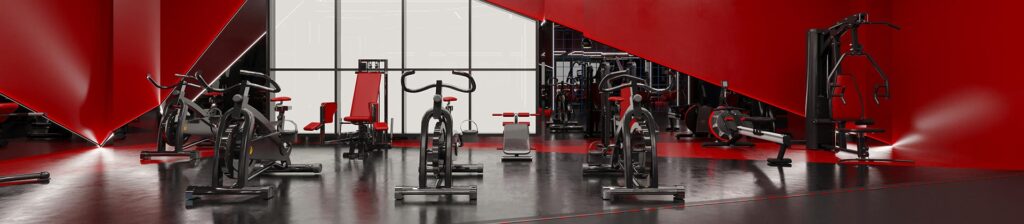
A home squat rack is a cornerstone of any home gym, providing the foundation for safe and effective strength training workouts. In this guide, we’ll walk you through the process of selecting the perfect home squat rack to meet your fitness goals. From understanding your needs to evaluating features and considerations, we’ll help you make an informed decision to maximize your workouts and achieve your fitness aspirations.
Understanding Home Squat Racks: A Comprehensive Overview
Before diving into the selection process, it’s essential to understand what a home squat rack is and its importance in a home gym setup. We’ll explore the anatomy of a squat rack, its key components, and how it enhances your workouts.
Factors to Consider When Choosing a Home Squat Rack
In this section, we’ll discuss the critical factors you should consider when selecting a home squat rack. From space constraints and weight capacity to adjustability and safety features, we’ll cover everything you need to know to make the right choice.
Here’s an example table comparing different types of squat racks:
| Type of Squat Rack | Description | Pros | Cons |
|---|---|---|---|
| Power Rack | A full-size rack with four vertical posts, usually adjustable for height, and safety bars for squatting and bench pressing. | Provides maximum safety and versatility for a wide range of exercises. Allows for heavy lifting with safety bars in place. | Requires more space and may be more expensive compared to other options. |
| Half Rack | Similar to a power rack but with only two vertical posts, providing less stability but still offering safety bars for squatting. Takes up less space than a power rack. | Offers a compromise between space-saving and safety. Suitable for moderate to heavy lifting. | Less stable than a power rack due to fewer support points. |
| Squat Stand | A minimalist option consisting of two separate upright stands with adjustable height, often used with a separate barbell and weight plates. | Takes up minimal space and is usually more affordable than full-size racks. Offers flexibility for different exercises. | May not provide as much stability or safety as a full-size rack, especially for heavy lifting. |
| Wall-Mounted Rack | Attaches directly to the wall, saving floor space and offering adjustable height for squatting and bench pressing. | Ideal for tight spaces or home gyms with limited floor area. Can be folded against the wall when not in use. | May require professional installation and careful wall mounting to ensure stability and safety. Limited weight capacity compared to full-size racks. |
Tips for Setting Up Your Home Squat Rack
Once you’ve selected the perfect home squat rack, it’s essential to set it up correctly for optimal safety and performance. We’ll provide step-by-step instructions and tips for assembling and installing your squat rack in your home gym.
Conclusion
A home squat rack is a versatile and essential piece of equipment for anyone serious about strength training at home. By selecting the perfect home squat rack to meet your needs, you can maximize your workouts, improve your strength and conditioning, and achieve your fitness goals more effectively than ever before.
FAQS
Q1: What are the benefits of using a home squat rack?
A1: A home squat rack provides a safe and stable platform for performing squats, bench presses, overhead presses, and other compound exercises. It allows you to lift heavier weights with proper form, reducing the risk of injury and maximizing muscle engagement.
Q2: How much space do I need for a home squat rack?
A2: The space requirements for a home squat rack vary depending on the model and its dimensions. As a general guideline, you’ll need enough space to comfortably perform exercises and maneuver around the rack. Measure your available space before selecting a squat rack to ensure a proper fit.
Q3: Can I use a home squat rack for other exercises besides squats?
A3: Yes, a home squat rack is a versatile piece of equipment that can be used for various exercises, including bench presses, overhead presses, barbell rows, and more. Many squat racks come with additional attachments and accessories to expand the range of exercises you can perform.
Q4: What safety features should I look for in a home squat rack?
A4: Important safety features to consider include sturdy construction, adjustable safety bars or spotter arms, secure J-hooks or safety pins, and stability-enhancing features such as rubberized feet or floor anchors. These features help ensure safe and effective workouts by preventing accidents and injuries.
Q5: Are home squat racks suitable for beginners?
A5: Yes, home squat racks are suitable for beginners, as they provide a safe and controlled environment for learning proper lifting techniques and building strength. Start with lighter weights and gradually increase the resistance as you become more comfortable and proficient with the exercises.