
Introduction
The seated elliptical machine is a versatile piece of cardio equipment that provides a low-impact full-body workout. While it may not get as much attention as the treadmill or upright elliptical, the seated elliptical offers unique benefits that can help maximize your workout routine. This guide will explore how to properly use the seated elliptical and tips for getting the most out of your seated elliptical workouts.
Proper Form and Technique
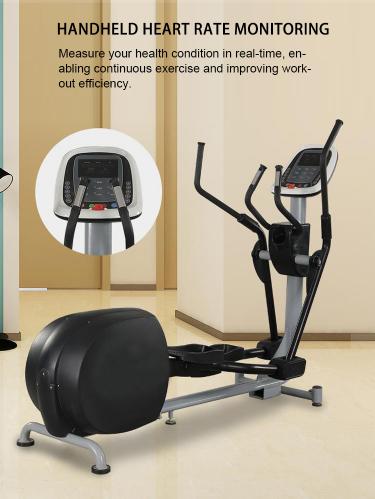
Proper form and technique are essential for an effective and safe seated elliptical workout. Here are some key points to keep in mind:
- Sit comfortably upright with your back against the backrest for support. Your knees should be bent at 90 degrees with your feet flat on the footpads.
- Maintain an upright posture and engage your core for stability. Do not hunch over or lean too far forward or backward.
- Start with a moderate pace that you can maintain comfortably. Focus on smooth elliptical motions with your legs, driving the footpads in a circular pattern.
- Reach your arms out in front of your body for balance. You can also hold light hand weights or grip the side handles if available.
- Keep your head level and gaze straight ahead to avoid straining your neck.
- Breathe naturally throughout your workout – do not hold your breath.
- Always warm up for 5-10 minutes at a slow to moderate pace before ramping up your speed or resistance.
The table below summarizes proper seated elliptical form:
| Aspect of Proper Form | Description |
|---|---|
| Posture | Sit upright with shoulders relaxed and back straight. Keep your feet flat on the foot pedals. |
| Grip | Hold onto the handles lightly with a relaxed grip. Avoid gripping too tightly. |
| Pedaling Motion | Push and pull the foot pedals in a smooth, fluid motion. Aim for a full range of motion without jerking or bouncing. |
| Resistance Level | Adjust the resistance level to a comfortable setting that provides a challenging workout without straining. |
| Breathing | Breathe deeply and rhythmically throughout the exercise. Exhale as you push the pedals away from you and inhale as you pull them back. |
| Focus | Concentrate on engaging the muscles of your legs, particularly the quadriceps, hamstrings, and calves. |
| Duration | Aim for at least 20-30 minutes of continuous exercise, gradually increasing as your fitness level improves. |
| Cool Down | After your workout, gradually reduce the resistance and pedal at a slower pace to cool down and allow your heart rate to return to normal. |
Adjusting Your Workout Intensity
Once you have the proper form down, it’s time to start adjusting your workout intensity on the seated elliptical. Most machines have options to increase speed, resistance level, or both. Here are some tips:
- Gradually increase your speed over time as your endurance builds. Do not make large speed jumps that could cause injury.
- Vary your speed throughout your workout by doing intervals of faster and slower speeds. For example, 1 minute fast, 1 minute moderate, 1 minute slow.
- Increase the resistance level to ramp up the calorie burn and challenge your muscles more. Play with different resistance levels for variety.
- Use the preset programs if available on your machine. They will automatically adjust speed and resistance to mimic terrains like hills.
- Try adding upper body exercises like bicep curls or shoulder presses during your workout to engage more muscle groups.
Exploring Intensity Levels for Your Workout
Determining the appropriate intensity levels for your workout is crucial for achieving your fitness goals effectively and safely. By understanding and working through different intensity levels, you can tailor your workouts to your fitness level and gradually progress towards higher levels of strength and endurance.
Low Intensity
Low-intensity workouts are ideal for beginners or individuals recovering from injury. These workouts involve exercising at a comfortable pace with minimal resistance or weight. Examples of low-intensity exercises include walking, gentle yoga, or using cardio machines at a low intensity setting. Low-intensity workouts are excellent for building a foundation of fitness and improving overall mobility and cardiovascular health.
Moderate Intensity
Moderate-intensity workouts are slightly more challenging than low-intensity workouts but still manageable for most individuals. During moderate-intensity exercises, you should feel your heart rate increase and experience a slight sweat. Examples of moderate-intensity exercises include brisk walking, jogging, cycling at a moderate pace, or strength training with moderate weights. Moderate-intensity workouts help improve cardiovascular endurance, muscle strength, and calorie burning.
High Intensity
High-intensity workouts push your body to its limits, challenging your cardiovascular system and muscles to work harder. These workouts typically involve short bursts of intense activity followed by periods of rest or lower intensity. Examples of high-intensity exercises include sprinting, interval training, high-intensity interval training (HIIT), or circuit training. High-intensity workouts are highly effective for improving cardiovascular fitness, increasing strength, and burning calories in a shorter amount of time.
Gradually Progressing
Regardless of your current fitness level, it’s essential to gradually progress through different intensity levels to avoid injury and ensure continued improvement. Start with low-intensity workouts if you’re new to exercise or returning after a break. As you build strength and endurance, gradually increase the intensity and duration of your workouts. Listen to your body and pay attention to how you feel during and after exercise to gauge your progress and adjust accordingly.
Seated Elliptical Workout Routine Examples
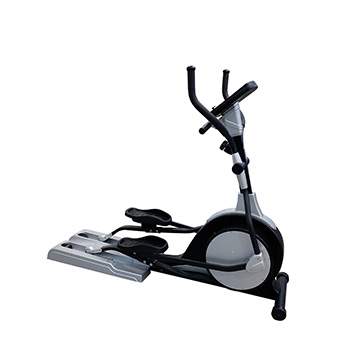
Now that you understand proper form and intensity adjustment, here are some sample seated elliptical workout routines you can follow:
5-Day Full Body Routine:
- Day 1: 30 min low-moderate intensity
- Day 2: 20 min intervals of speed/resistance
- Day 3: 30 min low intensity
- Day 4: 20 min with upper body exercises
- Day 5: 30 min moderate-high intensity
3-Day HIIT Routine:
- Day 1: 10 min warmup, 10 intervals of 1 min high/1 min low intensity, 5 min cooldown
- Day 2: Rest day
- Day 3: Repeat interval workout
30-Minute Weight Loss Routine:
- 5 min warmup
- 20 min maintaining moderate pace and resistance of 5-6
- 5 min cool down with arms only
You can also create your own routine by combining different exercises, speeds, intervals, and durations. Listen to your body and adjust as needed. Consistency is key to seeing results from seated elliptical workouts.
Conclusion
With proper form, gradual intensity progression, and consistency, the seated elliptical can be a highly effective exercise machine. Experiment with different workout routines and intervals for variety. Be sure to properly warm up and cool down, stay hydrated, and listen to your body. Following the guidelines in this post will help you maximize your seated elliptical workouts and make steady progress towards your fitness goals.
FAQs
Q: How do I know what resistance level to use?
A: Start low and gradually increase over multiple workouts as you feel comfortable. Aim to maintain a pace where you can speak but not sing.
Q: What are the main benefits of the seated elliptical?
A: It provides a low-impact cardio workout that is gentle on joints while still working your entire body. It can burn calories effectively and improve heart health and endurance.
Q: Can I use the seated elliptical every day?
A: Most experts recommend allowing at least one rest day per week to allow your body to recover. Listen to your body as well – if sore take an extra rest day as needed.
Q: How long should my seated elliptical workouts be?
A: Aim for at least 20-30 minutes per session. You can start with shorter durations and build up overtime. The longer the better for calorie burning and fitness results.