
Introduction
In the realm of fitness, the quest for sculpted legs and enhanced athletic performance drives individuals towards effective exercise regimens. Among the diverse array of leg training tools, the V squat machine stands out as a versatile and efficient equipment that targets various muscle groups in the lower body. This comprehensive guide delves into the world of V squat machines, exploring their benefits, features, proper usage techniques, and workout routines to maximize leg development and overall fitness.
Understanding the V Squat Machine
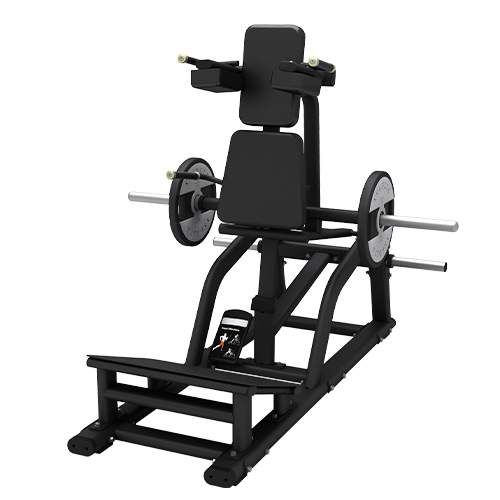
What is a V-Squat Machine?
The V-squat machine, also known as a vertical leg press machine, is a resistance training device that simulates the motion of a squat. It consists of a platform set at an angle and a sled or carriage that moves along a track. Users position themselves on the platform with their feet shoulder-width apart and push the sled upwards by extending their legs.
Key Features of the V Squat Machine
- V-shaped Platform: Provides stability and support during the exercise.
- Adjustable Resistance: Allows users to increase or decrease the weight load.
- Safety Locks: Prevent the sled from moving when not in use.
- Handlebars: Offer additional support and stability during the exercise.
Unveiling the Benefits of V Squat Machines
V-squat machines, also known as vertical squat machines or guided squat machines, offer a multitude of advantages for leg training:
- Targeted Muscle Engagement: V squat machines isolate and effectively target the quadriceps, hamstrings, and glutes, promoting muscle growth and strength development.
- Reduced Joint Stress: The guided motion of V squat machines minimizes stress on the knees and joints, making them suitable for individuals with joint pain or injuries.
- Varied Exercise Options: V squat machines allow for a range of exercises, including squats, lunges, and calf raises, catering to diverse fitness levels and goals.
- Adjustable Resistance: The ability to adjust resistance levels enables users to progress gradually and challenge themselves at their own pace.
- Safety and Stability: The guided motion and sturdy design of V squat machines provide a safe and stable training environment.
Features of V-Squat Machines: A Closer Look
V squat machines typically comprise the following key features:
| Feature | Description |
|---|---|
| Adjustable Padded Leg Support | A padded leg support provides comfort and support during squats and lunges. |
| Adjustable Backrest | An adjustable backrest allows users to customize the exercise position and target different muscle groups. |
| Adjustable Weight Stack | The weight stack enables users to increase or decrease resistance according to their fitness level and goals. |
| Guided Motion Track | The guided motion track ensures proper form and reduces joint stress. |
| Foot Plate | The foot plate accommodates various foot positions for different exercises. |
Proper Usage Techniques for Optimal Results
To maximize the benefits of V squat machines and prevent injuries, follow these proper usage techniques:
- Adjust the Leg Support: Position the leg support at a comfortable height that allows for full range of motion without restricting movement.
- Adjust the Backrest: Adjust the backrest according to the desired exercise. For squats, a neutral or slightly reclined position is suitable. For lunges, a more upright position is appropriate.
- Select the Weight: Choose an appropriate weight that allows for proper form and a challenging but achievable number of repetitions.
- Maintain Proper Form: Engage core muscles, keep the back straight, and avoid excessive forward lean or rounding of the back.
- Full Range of Motion: Perform exercises with a full range of motion, maximizing muscle engagement and joint mobility.
- Controlled Movements: Avoid jerky movements and focus on controlled, deliberate repetitions.
Workout Routines for Leg Development

Here’s a sample workout routine utilizing the V squat machine:
Warm-up:
- 5 minutes of light cardio, such as jogging or jumping jacks
Set 1: Squats
- 3 sets of 10-12 repetitions
- Rest 30-60 seconds between sets
Set 2: Lunges
- 3 sets of 10-12 repetitions per leg
- Rest 30-60 seconds between sets
Set 3: Leg Press
- 3 sets of 10-12 repetitions
- Rest 30-60 seconds between sets
Cool-down:
- Static stretching for major leg muscle groups
Conclusion
V squat machines, with their targeted muscle engagement, reduced joint stress, and versatility, have earned their place as valuable tools in the arsenal of fitness enthusiasts. By understanding their benefits, features, proper usage techniques, and implementing effective workout routines, individuals can maximize leg development, enhance overall fitness, and achieve their physique goals. Remember to consult a healthcare professional before starting any new exercise program.
FAQ
Q: What muscles does the V squat machine work?
A: The V squat machine primarily targets the quadriceps, hamstrings, and glutes.
Q: Are V squat machines safe for beginners?
A: Yes, V squat machines are generally safe for beginners due to their guided motion and reduced joint stress. However, it’s always advisable to start with light weights and proper form under the guidance of a certified trainer.
Q: How often should I use a V squat machine?
A: Aim for 2-3 leg training sessions per week, allowing adequate rest and recovery between sessions.
Q: Can the V Squat Machine Replace Traditional Squats?
A: While the V squat machine offers many benefits, it should not replace traditional squats entirely. Both exercises have their place in a well-rounded leg workout routine.