
Introduction
Downhill skiing is a thrilling winter activity that demands muscular strength, balance, and technical skills to excel at. However, opportunities for year-round training can be scarce for those without mountain slopes in their backyard. This is where specialized ski workout machines provide an indispensable solution – enabling indoor aerobic, strength, and technique conditioning to take one’s skiing to the next level.
This article explores utilizing a ski workout machine for off-season training. We’ll break down the machine’s multitude of benefits, proper training techniques, developing customized programs, injury prevention strategies, and more as you pursue mastery on the slopes!
Benefits of a Ski Workout Machine
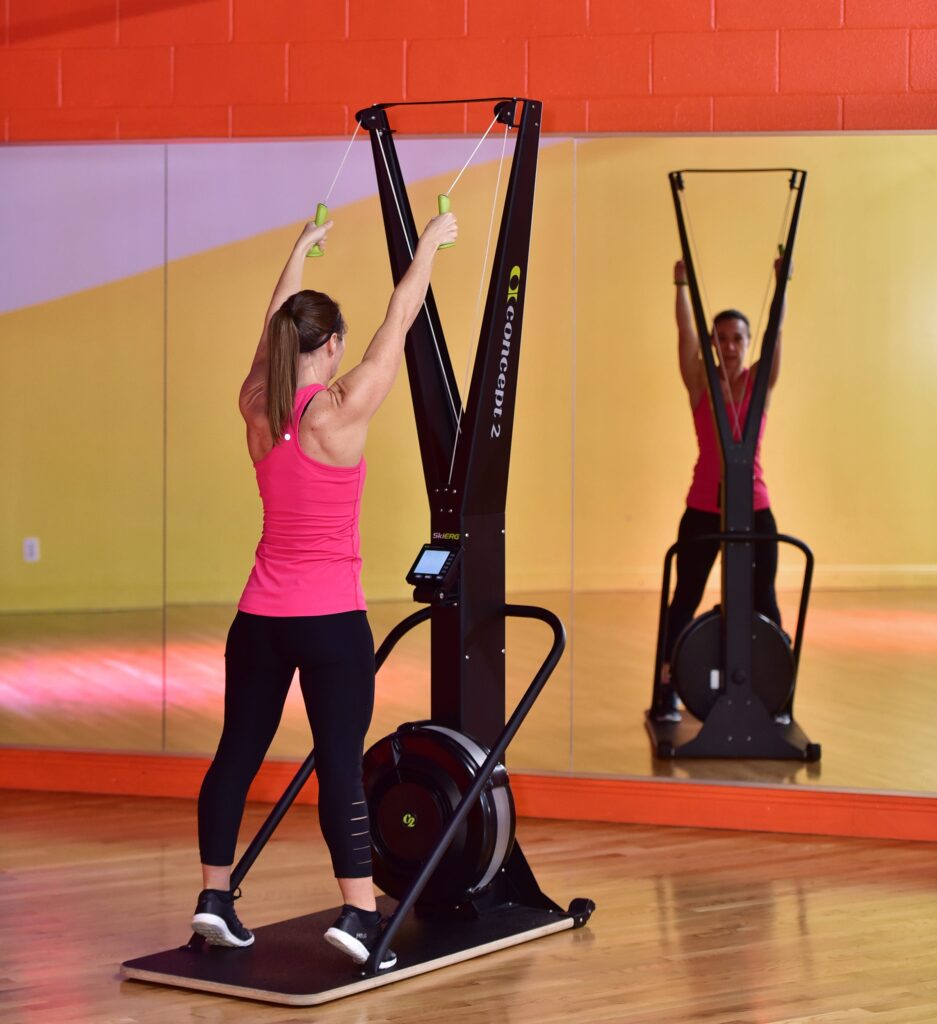
Also termed ski ergometers or simulators, these ingenious machines aim to replicate the motions, muscle activations and sensations of actual downhill skiing. Key advantages include:
- Compact size – Conveniently fits in home gyms or training facilities
- Weather resilient – Enables year-round training unaffected by outdoor snow conditions
- Skill development – Promotes balance, edging techniques, weight transfers through varied terrain
- Adjustability – Cater resistance, speed and slopes to user ability level
- Metric tracking – Advanced systems measure power, speed, distance, heart rate; quantifying progress
Table 1: Benefits of a Ski Workout Machine
| Dimension | Advantage |
|---|---|
| Size | Compact to fit home gyms |
| Weather Resilience | Year-round training unaffected by outdoor snow conditions |
| Skill Development | Build balance, edging techniques, weight transfers |
| Adjustability | Customizable resistance, speed and slopes |
| Metric Tracking | Quantifiable metrics showing workout intensity and progress over time |
Using Proper Technique
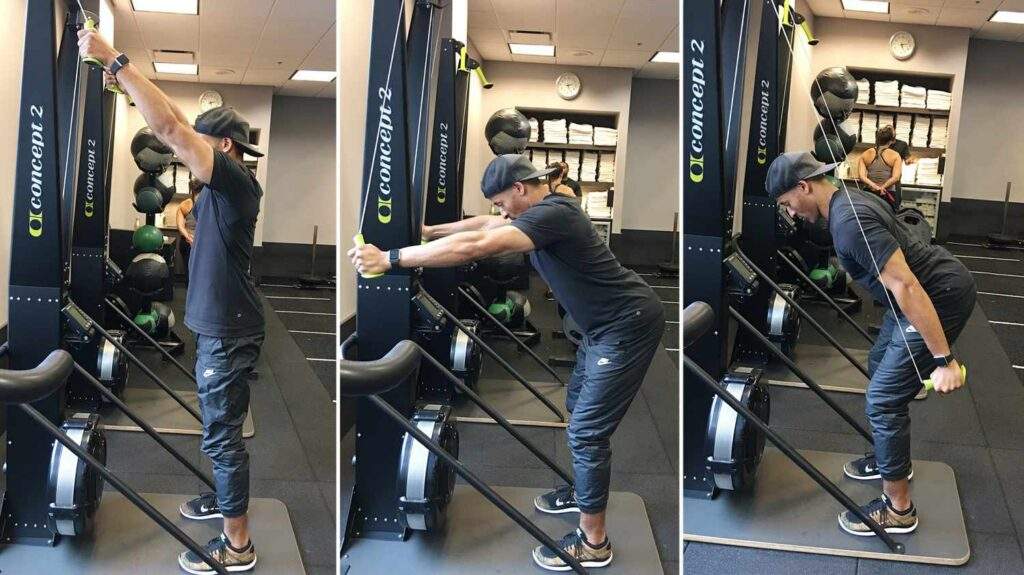
As with actual skiing, proper stance, positioning and movement patterns are vital on ski machines to engrain sound biomechanics and avoid injury:
- Posture – Maintain athletic centered stance engaging the core throughout movement
- Arm movements – Complement lower body rotations by extending and swinging arms rearward
- Hips and legs – Initiating turns originates in hip rotations; maintain bend in knees/ankles
- Edging – Transfer weight smoothly between edges of boots when executing turns
- Impact absorption – Enable muscles to absorb shocks through tension; avoid joint/skeletal abrupt stops
Table 2: Key Ski Machine Technique Guidelines
| Focus | Technique |
|---|---|
| Posture | Athletic stance; engaged core |
| Arms | Complement legs through rearward extension |
| Hips/Legs | Initiate turns from the hips |
| Edging | Controlled transfers between edges |
| Absorption | Manage impacts through muscle tension |
A trainer can provide personalized feedback guiding technique and movement patterns.
Customizing Your Training Program
A ski machine’s versatility enables training a diversity of fitness abilities and goals through customized programming including:
- Aerobic endurance – Long durations at moderate effort
- Leg strength – High machine resistance
- Power – Interval training with bursts of max intensity
- Skill development – Low resistance focused on nailing technique
- Injury prevention – Eccentric motions to strengthen joint stabilizers
Trainers can structure periodized plans directing more intense sessions ahead of an upcoming ski trip. The machine resistance levels, speed and terrain should align with current capability and increase progressively.
Advanced systems permit users to create fully customized automatic programs that modulate resistance levels based on real-time performance data – maximizing gains while reducing injury risk.
Table 3: Custom Training Program Examples
| Focus | Sample Regimen |
|---|---|
| Aerobic | 30-60 mins at moderate steady pace |
| Strength | 5 x heavy resistance intervals |
| Power | 30 sec sprints between steady sections |
| Skill | Low resistance with technique focus |
| Injury Prevention | Eccentric motions with progressive load |
Preventing Skiing Injuries
While improving conditioning and skills for ski season, it’s imperative to avoid overuse injuries that can abruptly halt training. Key prevention strategies include:
- Allowing adequate rest between intense simulator sessions for tissue recovery
- Performing dynamic warmups prior to ski machine workouts
- Maintaining proper technique – avoiding compromised form due to fatigue
- Gradually building intensity over multiple mesocycles
- Heeding warning signs like unusual soreness or technique decline
The machine allows fostering stabilizing tension and impact absorption capabilities essential for withstanding skiing’s demands.
Conclusion & Future Outlook
A dedicated ski workout machine enables year-round, custom-tailored training while engraining proper technique – setting the stage for mastery on the slopes. As automation and analytics continue enhancing these systems, personalized training and injury prevention will keep improving – making off-snow training more effective than ever.
FAQ
Q: How realistic do the motions mimic actual downhill skiing actions?
A: Advanced simulators closely replicate authentic downhill skiing movements through specialized plates, dampeners and dynamically modulated resistance reflecting varied terrain.
Q: Can these machines strengthen specific muscle groups for skiing?
A: Yes, ski machines enable selectively targeting muscle groups used in skiing like quads, hamstrings and core through programming appropriate resistance levels and durations.
Q: What age groups commonly use ski workout machines?
A: From adolescents to seniors, ski conditioning machines can train a wide spectrum of ages and abilities through customized programming.
Q: Can progress be quantified with performance metrics?
A: Advanced systems measure power output, edge pressure, speed, reps and distance covered, enabling tracking measurable skill improvements over time. Some incorporate video analysis too.