
The incline bench press is one of the most effective upper-body exercises for building strength and muscle definition in the chest and shoulders. By positioning the bench at an angle rather than flat, this movement shifts emphasis toward the upper portion of the pectoral muscles, an area many people struggle to develop. For beginners and experienced lifters alike, this exercise plays a key role in creating a balanced, strong, and visually impressive upper body.
Unlike general pressing movements, the incline variation helps bridge the gap between chest and shoulder training. It supports better posture, improved pushing power, and more complete chest development when performed correctly and consistently.
Table of Contents
What Makes the Incline Angle So Effective
The defining feature of this exercise is the bench angle, typically set between 30 and 45 degrees. This slight elevation changes how force is distributed across the upper body.
At a lower incline, the upper chest takes most of the load while the shoulders assist naturally. At steeper angles, the shoulders become more dominant, which may reduce chest activation. Finding the right angle is essential for maximizing results while minimizing unnecessary shoulder strain.
Because of this mechanical advantage, the incline bench press is often favored by those looking to improve upper chest fullness without relying solely on flat pressing movements.
Key Muscles Worked
This exercise engages multiple muscle groups at once, making it highly efficient for upper-body training.
Primary muscles involved include:
- Upper pectoralis major
- Anterior deltoids (front shoulders)
Secondary muscles include:
- Triceps
- Upper back stabilizers
- Core muscles for balance and contro
This multi-muscle involvement is one reason the incline bench press is commonly included in strength, hypertrophy, and athletic training programs.
How to Perform the Movement Correctly
Proper execution is critical to getting the most benefit while avoiding injury, especially when performing the incline bench press.
Start by setting the bench at a moderate incline. Sit down, plant your feet firmly on the floor, and lie back with your shoulders and hips in contact with the bench. Grip the barbell slightly wider than shoulder width, or position dumbbells directly above your upper chest.
Lower the weight slowly and under control until it reaches chest level. Press upward in a smooth motion, focusing on driving through the chest rather than the shoulders. Maintain a neutral spine and avoid excessive arching.
Breathing also matters. Inhale as you lower the weight and exhale as you press upward, maintaining steady control throughout the movement.
Barbell, Dumbbells, or Machines: Choosing the Right Option
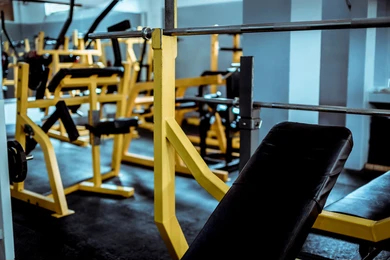
There is no single “best” version of the incline bench press—it depends on your experience level and training goals.
Barbells allow for heavier loads and are ideal for building overall strength. Dumbbells provide a greater range of motion and help correct muscle imbalances between the left and right sides. Machines offer guided movement, which can be especially useful for beginners or those recovering from injury.
Rotating between these options over time can help prevent plateaus and improve overall muscle coordination.
Common Technique Errors to Avoid

Even experienced lifters can make mistakes that limit progress.
One common issue is setting the bench too steep, which shifts excessive load onto the shoulders. Another is flaring the elbows outward, increasing joint stress and reducing chest engagement.
Using too much weight is also a frequent problem. When form breaks down, muscle activation decreases and injury risk rises. Controlled, consistent repetitions are far more effective than chasing heavier numbers with poor technique.
Supporting the Movement with Warm-Up and Mobility

Preparing the body properly is essential before pressing movements.
A good warm-up should include light shoulder rotations, resistance band pull-aparts, and chest-opening movements. These help activate stabilizing muscles and improve joint mobility.
After training, gentle stretching of the chest, shoulders, and arms supports recovery and reduces post-workout stiffness. Long-term progress with the incline bench press depends as much on recovery as it does on training intensity.
Integrating It into a Balanced Training Program
This exercise works best when paired with complementary movements, particularly the incline bench press and other variations of pressing exercises. Flat pressing movements contribute to overall chest thickness, while decline presses and fly variations target different angles, helping to round out your upper body development. Additionally, shoulder-focused exercises, such as overhead presses, should be carefully balanced to avoid overloading the front deltoids.
For most individuals, incorporating the incline bench press into your routine once or twice a week is sufficient to see noticeable gains. Gradually increasing resistance will ensure consistent strength improvements and muscle growth, without inducing unnecessary fatigue or overtraining.
Who Benefits Most from This Exercise
The incline bench press is suitable for a wide range of individuals.
Beginners benefit from improved chest activation and learning proper pressing mechanics. Intermediate lifters use it to correct imbalances and build upper chest definition. Advanced athletes rely on it to maintain structural balance and support performance in sports that require pushing strength.
Regardless of experience level, consistent practice with proper technique leads to visible and measurable improvements.
Final Thoughts
The incline bench press remains a cornerstone exercise for anyone serious about upper-body development. Its ability to target the upper chest, support shoulder strength, and complement other pressing movements makes it both practical and effective.
When performed with correct form, appropriate load, and thoughtful programming, this exercise contributes to stronger lifts, better posture, and a more complete physique. Over time, it becomes not just a chest exercise, but a foundational tool for long-term strength and muscle control.