
Welcome to My Blog!
Before we dive into the content, I’d love for you to join me on my social media platforms where I share more insights, engage with the community, and post updates. Here’s how you can connect with me:
Facebook:https://www.facebook.com/profile.php?id=61553215985287
LinkedIn:https://www.linkedin.com/showcase/99329941/admin/dashboard/
Tiktok:www.tiktok.com/@shandongvitalfitness
Now, let’s get started on our journey together. I hope you find the content here insightful, engaging, and valuable.
Introduction
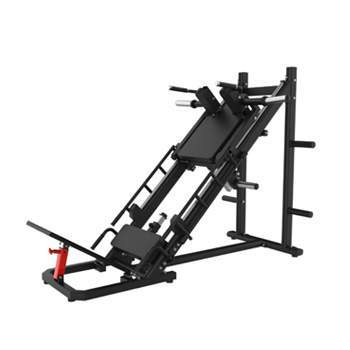
Leg press gym machines are versatile equipment found in most fitness centers. They are engineered to target the muscles of the lower body, such as the quadriceps, hamstrings, glutes, and calves. The controlled movement pattern of these machines helps users perform the exercise safely and effectively, reducing the risk of injury compared to free weights.
Types of Leg Press Gym Machines
Leg press gym machines come in several variations, each offering unique benefits:
- Horizontal Leg Press Gym Machines: These machines feature a reclining seat where users push the weight forward with their legs.
- 45-Degree Leg Press Gym Machines: Users sit at a 45-degree angle and press the weight upward, which changes the angle of muscle engagement.
- Vertical Leg Press Gym Machines: In these machines, users press the weight directly upward while standing or sitting upright.
Each type of leg press gym machine offers different advantages and targets muscle groups in varying ways, providing flexibility in your workout routine.
Benefits of Using Leg Press Gym Machines
Effective Lower Body Strengthening
Leg press gym machines are highly effective for building strength in the lower body. They allow for heavy loading of the leg muscles, particularly the quadriceps, hamstrings, and glutes. This heavy loading can lead to increased muscle size and strength.
Reduced Risk of Injury
The design of leg press gym machines provides stability and support, reducing the risk of injury. Unlike free weights, which require more balance and control, these machines offer a controlled movement path that minimizes stress on the back and joints.
Versatile Exercise Options
Leg press gym machines allow for various foot placements and angles, which can be used to target different muscle groups. This versatility makes them a valuable addition to any lower body workout routine.
Controlled Progression
With leg press gym machines, you can easily adjust the weight to match your fitness level and goals. This controlled progression helps you gradually increase the intensity of your workouts, promoting continuous improvement.
How to Use Leg Press Gym Machines for Maximum Results
Setting Up the Leg Press Gym Machine
Proper setup is crucial for maximizing the effectiveness of leg press gym machines:
- Adjust the Seat: Ensure that the seat is positioned so that your back is fully supported and your knees are aligned with the machine’s pivot point. This alignment helps prevent strain on your lower back and knees.
- Position the Footplate: Place your feet shoulder-width apart on the footplate. The angle of your feet should be aligned with your knees to maintain proper form.
- Select the Weight: Choose a weight that allows you to perform the exercise with proper form. Start with a lighter weight to master the technique before increasing the load.
Executing the Exercise Correctly
To ensure you get the most out of leg press gym machines:
- Start Position: Sit on the machine with your back pressed against the support, feet placed on the footplate, and knees slightly bent. Your legs should form a 90-degree angle at the start.
- Press the Weight: Extend your legs to push the weight away from you. Avoid locking your knees at the top of the movement to prevent joint strain.
- Controlled Descent: Lower the weight back to the starting position slowly and under control. Maintain a steady pace throughout the exercise.
- Breathing: Inhale as you lower the weight and exhale as you push it away.
Foot Placement Variations
Changing your foot placement on the footplate can target different muscle groups:
- High Foot Placement: Emphasizes the quadriceps.
- Low Foot Placement: Focuses on the hamstrings and glutes.
- Wide Stance: Targets the inner thigh muscles.
- Narrow Stance: Engages the outer thigh muscles.
Incorporating Advanced Techniques
For added challenge and variety, consider incorporating these advanced techniques into your leg press routine:
- Drop Sets: Perform a set to failure, reduce the weight, and continue for additional reps.
- Pause Reps: Pause briefly at the bottom of the movement to increase muscle tension and stimulate growth.
- Single-Leg Presses: Perform the exercise one leg at a time to isolate each leg and correct strength imbalances.
Tips for Maximizing Results
Consistency
Regular use of leg press gym machines is essential for achieving your fitness goals. Incorporate leg press exercises into your routine 2-3 times per week for optimal results.
Progressive Overload
Gradually increase the weight and intensity of your workouts to continually challenge your muscles and stimulate growth. Track your progress and make incremental adjustments to avoid plateaus.
Proper Warm-Up
A thorough warm-up prepares your muscles and joints for the leg press workout. Include light cardio and dynamic stretches to enhance performance and reduce the risk of injury.
Balanced Training
Combine leg press exercises with other lower body workouts, such as squats, lunges, and deadlifts, to ensure balanced muscle development and overall leg strength.
Common Mistakes and How to Avoid Them
Incorrect Foot Placement
Placing your feet incorrectly on the footplate can lead to improper muscle engagement and potential injury. Ensure that your feet are positioned according to the muscle group you want to target.
Locking Knees
Locking your knees at the top of the movement can place undue stress on the knee joints. Maintain a slight bend in your knees throughout the exercise to avoid this issue.
Using Excessive Weight
Using too much weight can compromise your form and increase the risk of injury. Start with a manageable weight and focus on proper technique before progressively increasing the load.
Sample Leg Press Workout Routine
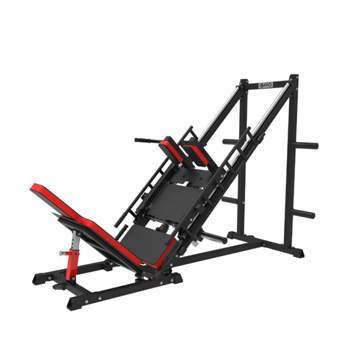
To help you get started, here is a sample workout routine using leg press gym machines:
| Exercise | Sets | Reps | Rest Time |
|---|---|---|---|
| Standard Leg Press | 4 | 10-12 | 60 seconds |
| Narrow Stance Press | 3 | 12-15 | 60 seconds |
| Wide Stance Press | 3 | 10-12 | 60 seconds |
| Single-Leg Press | 3 | 8-10 (each leg) | 60 seconds |
This routine incorporates various foot placements and techniques to target different muscle groups and enhance overall leg strength.
Conclusion
Leg press gym machines are a powerful tool for developing lower body strength and muscle mass. By understanding how to use these machines correctly, setting them up properly, and employing effective techniques, you can achieve significant results. Remember to maintain consistency, gradually increase intensity, and combine leg press exercises with other lower body workouts for balanced development.
FAQ
What are leg press gym machines used for?
Leg press gym machines are used to target and strengthen the lower body muscles, including the quadriceps, hamstrings, glutes, and calves. They provide a controlled environment for leg exercises, reducing the risk of injury.
How do I adjust the leg press gym machine?
Adjust the seat and footplate to ensure proper alignment of your knees and back. Select a weight that allows you to perform the exercise with correct form, and gradually increase it as you progress.
Can I use leg press gym machines for exercises other than the standard leg press?
Yes, you can modify foot placement and machine settings to perform various exercises, such as narrow stance presses, wide stance presses, and single-leg presses, to target different muscle groups.
How often should I use leg press gym machines?
For optimal results, use leg press gym machines 2-3 times per week. Ensure adequate recovery between sessions to promote muscle growth and prevent overtraining.
What are common mistakes when using leg press gym machines?
Common mistakes include incorrect foot placement, locking knees, and using excessive weight. Focus on proper form, avoid locking your knees, and start with a manageable weight to maximize effectiveness and reduce the risk of injury.