
Introduction
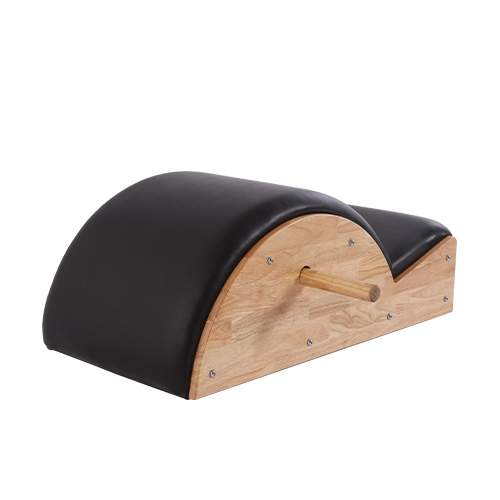
The Pilates spine corrector, also known as the Pilates arc or step barrel, is an essential tool in the Pilates method. Designed to improve spinal alignment, flexibility, and core strength, this versatile piece of equipment can be a valuable addition to any fitness routine. Whether you are a beginner or an experienced practitioner, choosing the right Pilates spine corrector can significantly impact your workouts and overall fitness goals. This comprehensive guide will help you understand the benefits of the Pilates spine corrector, key features to look for, and how to select the best one for your needs.
Understanding the Pilates Spine Corrector
The Pilates spine corrector is a piece of equipment originally designed by Joseph Pilates. It features a curved surface that supports the spine and helps in performing a variety of exercises aimed at strengthening the core, improving posture, and enhancing flexibility.
Benefits of the Pilates Spine Corrector
Spinal Alignment: The curved design helps in stretching and strengthening the spine, promoting better posture and alignment.
Core Strength: Many exercises on the spine corrector target the core muscles, providing a challenging workout that can improve overall strength.
Flexibility: The equipment aids in stretching various muscle groups, enhancing flexibility and range of motion.
Rehabilitation: It is often used in physical therapy and rehabilitation to help recover from injuries and improve functional movement.
Key Features to Look For
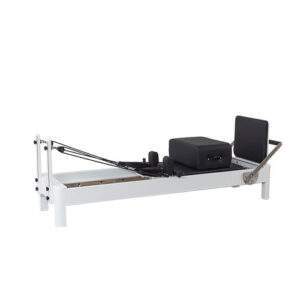
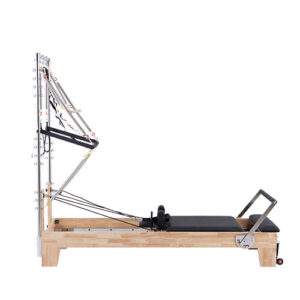
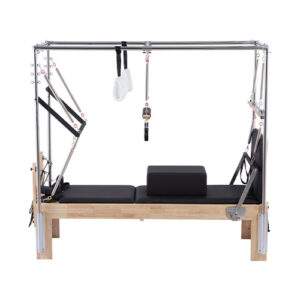
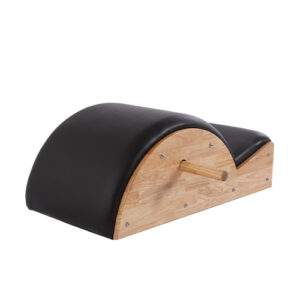
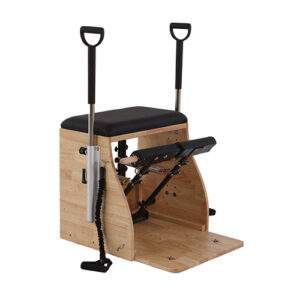
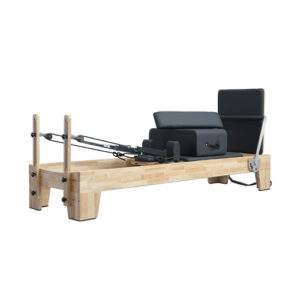
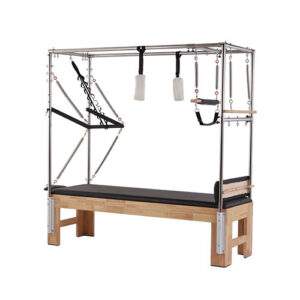
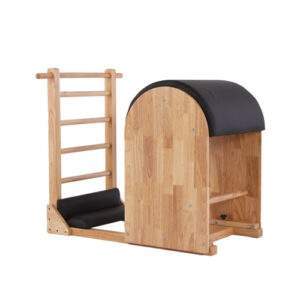
When choosing a Pilates spine corrector, several features should be considered to ensure it meets your fitness goals and personal preferences.
Material and Durability
The quality of materials used in the construction of a spine corrector can affect its durability and performance.
- Wood vs. Metal Frame: Wood is traditional and aesthetically pleasing, while metal can offer more durability.
- Padding Quality: High-density foam provides better support and comfort, which is crucial for prolonged use.
Size and Weight
The size and weight of the spine corrector should match your body type and available space.
- Dimensions: Ensure the size of the corrector fits your height and body type.
- Portability: If you need to move the equipment frequently, consider a lightweight model.
Surface Texture
The texture of the surface can impact your grip and comfort during exercises.
- Non-Slip Surface: A textured, non-slip surface can provide better stability and safety.
- Smooth Finish: A smooth finish is comfortable for prolonged use but should still provide enough grip.
Adjustability
Some spine correctors offer adjustable features to cater to different exercises and user preferences.
- Removable Parts: Look for models with adjustable or removable parts to increase versatility.
- Height Adjustments: Some correctors allow you to adjust the height to suit different exercises.
Comparing Popular Pilates Spine Correctors
To help you make an informed decision, we’ve compared some of the top Pilates spine correctors available on the market. The table below highlights key specifications and features.
| Brand and Model | Material | Dimensions (L x W x H) | Weight | Padding Quality | Adjustability | Price Range |
|---|---|---|---|---|---|---|
| Balanced Body Arc | Wood/Metal | 39″ x 15″ x 18″ | 20 lbs | High-density foam | Yes | $250-$350 |
| Peak Pilates Barrel | Solid Wood | 36″ x 16″ x 15″ | 22 lbs | Multi-layer padding | No | $300-$400 |
| STOTT Pilates Spine Corrector | Aluminum/Steel | 40″ x 14″ x 20″ | 18 lbs | Memory foam | Yes | $200-$300 |
| AeroPilates Spine Corrector | Composite Wood | 37″ x 15″ x 17″ | 19 lbs | EVA foam | No | $150-$250 |
| Merrithew Arc Barrel | Beech Wood | 35″ x 13″ x 14″ | 21 lbs | High-density foam | Yes | $350-$450 |
How to Choose the Right Pilates Spine Corrector
Choosing the right Pilates spine corrector involves assessing your fitness goals, understanding the different features, and matching them with your personal preferences and budget.
Assess Your Fitness Goals
Consider what you aim to achieve with the Pilates spine corrector. Whether it’s improving flexibility, strengthening your core, or aiding in rehabilitation, knowing your goals will help narrow down your choices.
Evaluate Key Features
- Material and Durability: Choose a spine corrector made from high-quality materials that can withstand regular use.
- Size and Weight: Ensure the corrector fits your body type and space. Portability might be important if you need to store it away frequently.
- Surface Texture and Padding: Comfort and safety are paramount. Look for non-slip surfaces and high-density foam padding.
Budget Considerations
Set a budget that aligns with your fitness goals and the quality of the spine corrector. While it’s tempting to go for cheaper options, investing in a durable, high-quality product can save you money in the long run by reducing the need for replacements.
Try Before You Buy
If possible, test different models at a local gym or Pilates studio. This hands-on experience can provide valuable insights into which features and designs you prefer.
Using the Pilates Spine Corrector Safely
Once you have chosen the right Pilates spine corrector, it’s important to use it safely to maximize benefits and avoid injuries.
Warm-Up Exercises
Always start with a warm-up to prepare your muscles and joints for the workout. Gentle stretches and light cardio can help increase blood flow and reduce the risk of injury.
Proper Technique
Follow instructions from a certified Pilates instructor or use reputable online resources to ensure you are performing exercises correctly. Proper technique is crucial for preventing injuries and achieving the desired results.
Regular Maintenance
Keep your spine corrector clean and inspect it regularly for any signs of wear and tear. Proper maintenance can extend the lifespan of the equipment and ensure it remains safe to use.
Listen to Your Body
Pay attention to how your body feels during exercises. If you experience any pain or discomfort, stop immediately and consult with a healthcare professional or a certified Pilates instructor.
Conclusion
Choosing the best Pilates spine corrector for your fitness goals involves understanding the benefits, evaluating key features, and considering your personal preferences and budget. By following this comprehensive guide, you can make an informed decision and select a spine corrector that will enhance your Pilates practice and help you achieve your fitness objectives.
Investing in a high-quality Pilates spine corrector can provide numerous benefits, from improved posture and flexibility to increased core strength and overall wellness. With the right equipment and proper usage, you can enjoy a more effective and enjoyable Pilates workout experience.
FAQ
What is the primary benefit of using a Pilates spine corrector?
The primary benefit of using a Pilates spine corrector is to improve spinal alignment, enhance core strength, and increase flexibility. It can also aid in rehabilitation and help prevent injuries by promoting better posture.
How often should I use the Pilates spine corrector?
The frequency of use depends on your fitness goals and current physical condition. Generally, using the spine corrector 2-3 times per week can yield significant benefits. Always consult with a Pilates instructor to create a balanced workout routine.
Can beginners use a Pilates spine corrector?
Yes, beginners can use a Pilates spine corrector. It’s advisable to start with basic exercises and gradually progress to more advanced moves. Working with a certified instructor can help ensure proper form and technique.
How do I clean and maintain my Pilates spine corrector?
To clean your Pilates spine corrector, use a damp cloth with mild soap to wipe down the surfaces. Avoid using harsh chemicals or soaking the equipment. Regularly check for any signs of wear and tear, and tighten any loose screws or bolts.
Is the Pilates spine corrector suitable for people with back pain?
The Pilates spine corrector can be beneficial for people with back pain as it helps improve spinal alignment and strengthen core muscles. However, it is important to consult with a healthcare professional before starting any new exercise regimen, especially if you have existing back issues.