
Introduction
Pilates reformer machines have become an essential piece of equipment for fitness enthusiasts and professionals alike. Known for their ability to enhance strength, flexibility, and overall fitness, these machines offer a full-body workout that can be tailored to suit all levels of ability. However, with so many options available on the market, choosing the best Pilates reformer machine can be a daunting task. This guide aims to provide comprehensive information on how to select the perfect reformer for your needs, whether you are a beginner or an experienced practitioner.
Understanding Pilates Reformer Machines
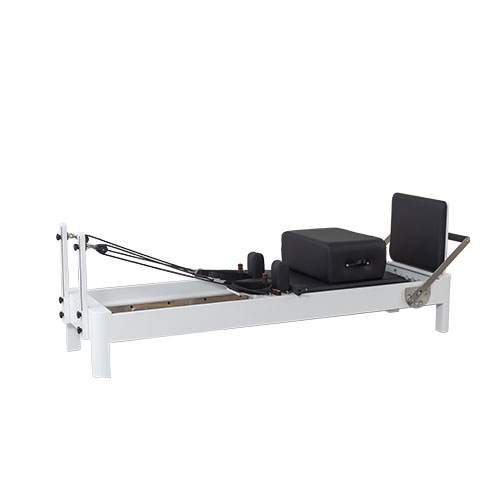
What is a Pilates Reformer Machine?
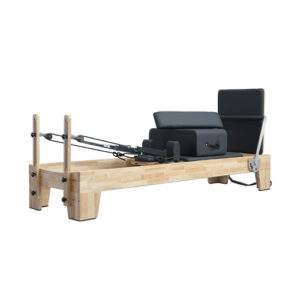
A Pilates reformer machine is a versatile exercise apparatus that uses springs, a sliding carriage, ropes, and pulleys to provide resistance and support during Pilates exercises. The machine is designed to improve strength, flexibility, balance, and coordination, offering a wide range of exercises that can target different muscle groups.
Key Components of Pilates Reformer Machines
- Carriage: The movable platform where you lie, sit, or stand.
- Springs: Provide adjustable resistance.
- Footbar: Used for stability and to push off during exercises.
- Shoulder Blocks: Help keep you in place on the carriage.
- Ropes and Pulleys: Offer additional resistance and range of motion.
- Headrest: Provides support for your head and neck.
Benefits of Using Pilates Reformer Machines
Full-Body Workout
Pilates reformer machines allow for a comprehensive workout that targets all major muscle groups. The resistance provided by the springs ensures that muscles are worked through a full range of motion, promoting muscle lengthening and strengthening.
Improved Flexibility and Balance
The reformer’s design and range of exercises help improve flexibility and balance. Stretching muscles over a longer range can enhance flexibility, while exercises that require stability help improve balance.
Rehabilitation and Injury Prevention
Pilates reformer machines are widely used in physical therapy and rehabilitation. The controlled movements and adjustable resistance make it ideal for recovering from injuries and preventing future ones by strengthening muscles and improving joint stability.
Factors to Consider When Choosing a Pilates Reformer Machine
Intended Use
Home Use vs. Professional Studio
- Home Use: If you plan to use the reformer at home, look for a compact, foldable design that can be easily stored. Consider the space available and the noise level.
- Professional Studio: For commercial use, durability and a wide range of adjustability are key. Look for machines that can withstand frequent use and offer various features for different clients.
Budget
Pilates reformer machines range in price from a few hundred to several thousand dollars. Determine your budget and consider the features that are most important to you. Higher-end models often offer better durability, more adjustability, and additional features.
Features and Accessories
Springs and Resistance Levels
The number and type of springs determine the resistance levels. Look for machines with multiple springs of varying resistance to accommodate different exercises and user levels.
Adjustability
Adjustable footbars, headrests, and ropes allow for a more customized workout experience. These features are particularly important if multiple people with different body sizes and fitness levels will be using the machine.
Build Quality and Materials
High-quality materials and sturdy construction ensure the longevity of the machine. Consider machines made from durable wood or metal frames and high-quality upholstery.
Brand Reputation and Reviews
Research brands and read reviews from other users. Reputable brands often offer better customer service, warranties, and reliable products. User reviews can provide insights into the machine’s performance, durability, and overall satisfaction.
Table: Comparison of Popular Pilates Reformer Machines
| Feature/Model | AeroPilates Reformer 651 | Merrithew SPX Max Plus Reformer | Balanced Body Allegro 2 Reformer | Peak Pilates Fit Reformer |
|---|---|---|---|---|
| Price Range | $500 – $800 | $2,500 – $3,000 | $3,000 – $4,000 | $2,000 – $2,500 |
| Springs | 4 variable resistance springs | 5 variable resistance springs | 5 variable resistance springs | 4 variable resistance springs |
| Frame Material | Steel | Aluminum and steel | Aluminum and steel | Aluminum and steel |
| Maximum User Weight | 300 lbs | 350 lbs | 350 lbs | 300 lbs |
| Adjustable Footbar | Yes | Yes | Yes | Yes |
| Foldable Design | Yes | No | No | Yes |
| Accessories Included | Rebounder, Pilates stick | Vertical frame, mat converter | Sitting box, foot strap | Jump board, foot strap |
Tips for Maintaining Your Pilates Reformer Machine
Regular Cleaning
Keep your reformer clean by wiping it down after each use. Use a damp cloth and mild detergent to clean the carriage, ropes, and frame. Avoid harsh chemicals that can damage the materials.
Inspect Springs and Ropes
Regularly check the springs and ropes for wear and tear. Replace any damaged parts to ensure safety and maintain the machine’s performance.
Lubricate Moving Parts
Lubricate the moving parts, such as the wheels and tracks, to ensure smooth operation. Follow the manufacturer’s guidelines for the appropriate type of lubricant and frequency.
Store Properly
If you have a foldable reformer, store it in a dry, safe place when not in use. For non-foldable models, ensure they are placed on a flat surface to prevent damage.
Conclusion
Choosing the best Pilates reformer machine requires careful consideration of your needs, budget, and the features that matter most to you. Whether you are looking for a machine for home use or a professional studio, understanding the key components and benefits of Pilates reformers will help you make an informed decision. Investing in a high-quality reformer can enhance your fitness routine, improve your overall health, and provide a versatile tool for a full-body workout.
FAQ
What is the difference between a Pilates reformer and a Pilates mat?
A Pilates reformer is a piece of equipment that uses a sliding carriage, springs, ropes, and pulleys to provide resistance and support for a variety of exercises. It offers a full-body workout with adjustable resistance, making it suitable for both strength training and rehabilitation. A Pilates mat, on the other hand, involves exercises performed on the floor using just a mat. Mat Pilates focuses more on core strength and flexibility using body weight for resistance.
How do I know which resistance level to use on my Pilates reformer?
The resistance level on a Pilates reformer is determined by the number and type of springs attached. Beginners should start with lower resistance to focus on form and control. As you become more experienced, you can increase the resistance to add more challenge and intensity to your workouts. Always adjust the resistance based on the specific exercise and your fitness level.
Can beginners use Pilates reformer machines?
Yes, Pilates reformer machines are suitable for beginners. Most machines come with adjustable resistance levels, allowing you to start with a lower resistance and gradually increase as you become more comfortable. It’s advisable for beginners to take a few classes with a certified instructor to learn proper form and technique before using the machine independently.
How often should I use a Pilates reformer for optimal results?
For optimal results, it’s recommended to use the Pilates reformer 2-3 times per week. Consistency is key to seeing improvements in strength, flexibility, and overall fitness. As you become more experienced and your fitness level increases, you can adjust the frequency and intensity of your workouts based on your goals.