
Introduction
Pilates chairs are versatile pieces of fitness equipment that can enhance your workout regimen by providing a range of exercises that target different muscle groups. Whether you are a beginner or an advanced practitioner, selecting the best Pilates chair for your needs is crucial to maximize the benefits of your workouts. In this comprehensive guide, we will delve into the factors you should consider when choosing the best Pilates chair, explore different types of chairs, and answer common questions to help you make an informed decision.
Understanding Pilates Chairs
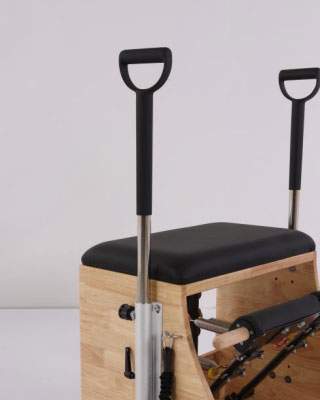
Pilates chairs, also known as Wunda chairs, are designed to support various exercises that improve flexibility, strength, balance, and overall fitness. These chairs typically feature a seat, pedals, and springs that offer resistance. The best Pilates chair can help you perform a wide array of exercises, making it a valuable addition to any home gym or professional studio.
Types of Pilates Chairs
There are several types of Pilates chairs, each with unique features and benefits. Understanding these types can help you choose the best Pilates chair for your needs.
Traditional Wunda Chair
The traditional Wunda chair is compact and typically has a single pedal. It is suitable for small spaces and provides a variety of exercises for different skill levels.
Split-Pedal Chair
The split-pedal chair offers more versatility by allowing independent movement of each pedal. This type of chair is ideal for advanced users who want to challenge their coordination and balance.
Exo Chair
The Exo chair is a modern version of the traditional Pilates chair, featuring additional resistance bands and attachment points for more exercise options. It is perfect for users looking for a broader range of workouts.
Combo Chair
The combo chair combines elements of a Wunda chair and a reformer, offering more comprehensive functionality. This type is ideal for those who want a multi-functional piece of equipment.
Factors to Consider When Choosing the Best Pilates Chair
Space and Portability
Consider the amount of space you have available and whether you need a portable option. Traditional Wunda chairs are compact, making them ideal for smaller spaces, while combo chairs may require more room.
Skill Level
Your skill level plays a significant role in determining the best Pilates chair for you. Beginners may benefit from a traditional Wunda chair, while advanced users might prefer a split-pedal or Exo chair for more challenging exercises.
Budget
Pilates chairs vary in price, with traditional chairs being more affordable and combo chairs on the higher end. Determine your budget and look for a chair that offers the best value for your investment.
Features and Attachments
Different chairs come with various features and attachments, such as resistance bands and handles. Consider what additional features you might need to achieve your fitness goals.
Build Quality and Durability
Invest in a Pilates chair made from high-quality materials to ensure durability and long-term use. Check reviews and product specifications to assess the build quality.
Table: Comparison of Popular Pilates Chairs
| Chair Type | Features | Ideal For |
|---|---|---|
| Traditional Wunda | Compact, single pedal | Beginners, small spaces |
| Split-Pedal Chair | Independent pedal movement | Advanced users |
| Exo Chair | Additional resistance bands | All skill levels |
| Combo Chair | Multi-functional, reformer elements | Comprehensive workouts |
Benefits of Using the Best Pilates Chair
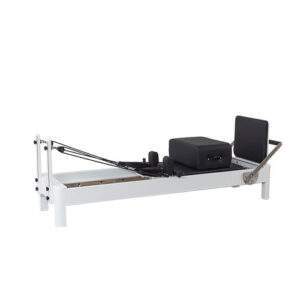
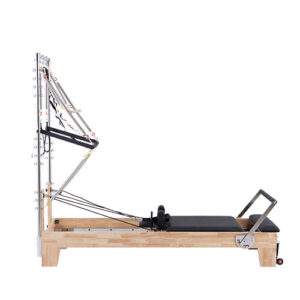
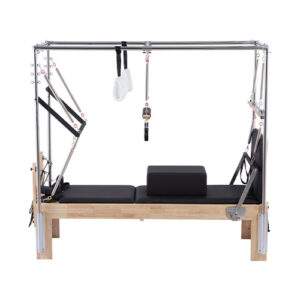
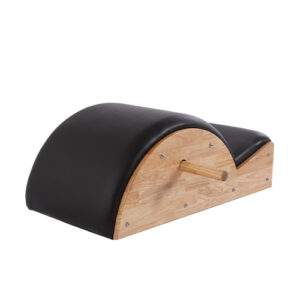
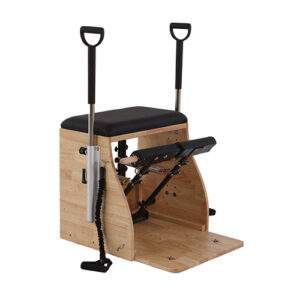
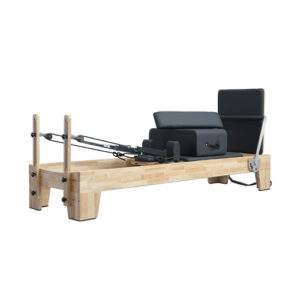
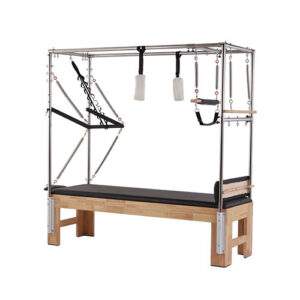
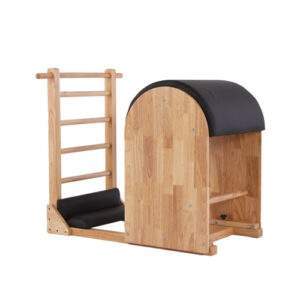
Choosing the best Pilates chair for your needs offers numerous benefits that can enhance your fitness journey.
Improved Strength and Flexibility
Pilates chairs provide resistance training that helps build muscle strength and increase flexibility. Regular use can lead to improved posture and a stronger core.
Versatility in Exercises
The best Pilates chair allows for a wide range of exercises, targeting different muscle groups and offering both strength and cardio workouts. This versatility ensures a well-rounded fitness routine.
Enhanced Balance and Coordination
Using a Pilates chair requires balance and coordination, which can improve over time with regular practice. This can lead to better overall body control and stability.
Convenience
Having a Pilates chair at home provides the convenience of working out anytime without needing to visit a gym. This accessibility can lead to more consistent workouts and better results.
Rehabilitation and Injury Prevention
Pilates chairs are often used in physical therapy and rehabilitation due to their low-impact nature. They can help with recovery from injuries and prevent future injuries by strengthening muscles and improving flexibility.
How to Use a Pilates Chair
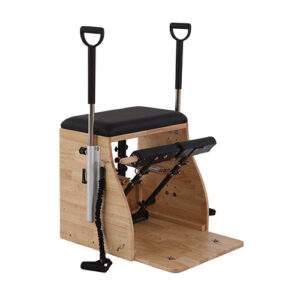
Using a Pilates chair effectively requires understanding the basic principles of Pilates and following proper techniques. Here are some tips to help you get started.
Warm-Up Exercises
Before using the Pilates chair, it’s essential to warm up your muscles with some basic stretching and light cardio exercises. This prepares your body for the workout and reduces the risk of injury.
Basic Exercises
Start with basic exercises to get accustomed to the chair and build your confidence. Some common exercises include:
- Footwork: Sit on the chair and place your feet on the pedals. Push the pedals down while maintaining a neutral spine.
- Pull-Ups: Stand behind the chair and hold onto the handles. Pull yourself up while engaging your core.
- Step-Ups: Place one foot on the pedal and step up onto the chair, engaging your leg muscles.
Advanced Exercises
Once you are comfortable with the basics, you can progress to more advanced exercises that challenge your balance and strength. These might include:
- Single Leg Press: Perform the footwork exercise using one leg at a time to increase difficulty.
- Mountain Climbers: Place your hands on the chair seat and perform mountain climbers to engage your core and upper body.
- Pike: Stand behind the chair and place your hands on the seat. Lift your hips towards the ceiling while keeping your legs straight.
Cool-Down
After your workout, cool down with some gentle stretching to help your muscles recover and reduce soreness.
Conclusion
Choosing the best Pilates chair for your needs involves considering factors such as space, skill level, budget, features, and build quality. By understanding the different types of Pilates chairs and their applications, you can make an informed decision that enhances your fitness journey. Whether you are a beginner or an advanced practitioner, the best Pilates chair can provide numerous benefits, including improved strength, flexibility, balance, and overall fitness. Remember to follow proper techniques and consult with professionals to ensure a safe and effective workout. Happy Pilates!
FAQ
What is the best Pilates chair for beginners?
The best Pilates chair for beginners is typically a traditional Wunda chair. It is compact, easy to use, and provides a good introduction to Pilates exercises.
How often should I use a Pilates chair?
For optimal results, aim to use your Pilates chair at least 3-4 times per week. Consistency is key to improving strength, flexibility, and overall fitness.
Can I use a Pilates chair if I have back problems?
Yes, Pilates chairs can be beneficial for individuals with back problems. However, it’s important to consult with a healthcare professional or a certified Pilates instructor to ensure you are using the chair correctly and safely.
What are the main differences between a Pilates chair and a reformer?
A Pilates chair is smaller and focuses on exercises that involve sitting or standing. A reformer is larger and provides a wider range of exercises that include lying down, sitting, and standing positions. Both pieces of equipment offer unique benefits and can complement each other in a Pilates routine.
How do I maintain my Pilates chair?
Regular maintenance of your Pilates chair includes checking the springs and pedals for wear and tear, wiping down the surfaces after each use, and storing the chair in a dry, cool place. Follow the manufacturer’s instructions for specific maintenance guidelines.