
Introduction
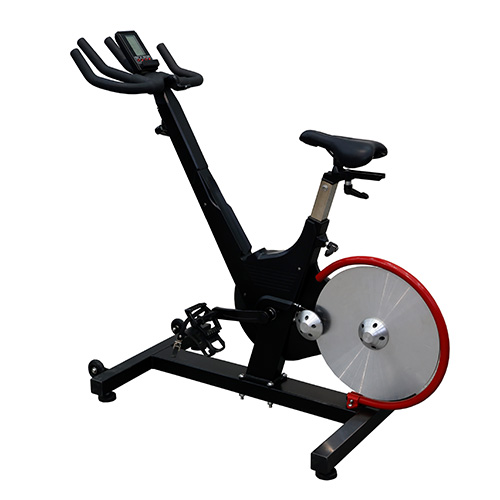
Choosing the best commercial spin bike for your gym is a crucial decision that can impact your members’ workout experience and satisfaction. With numerous options available, each offering different features and benefits, it’s important to understand what makes a commercial spin bike suitable for your specific needs. This comprehensive guide will walk you through the key considerations, features, and tips for selecting the ideal spin bike for your gym.
Understanding Commercial Spin Bikes
What is a Commercial Spin Bike?
A commercial spin bike is a high-quality exercise bike designed for intense use in gym environments. Unlike home spin bikes, commercial models are built to withstand heavy usage and provide a more robust and durable option for fitness facilities. These bikes are a staple in group cycling classes and are essential for gyms aiming to offer comprehensive cardio workouts.
Key Components of a Commercial Spin Bike
Frame: The frame provides the bike’s structure and stability. Look for frames made of high-grade steel or aluminum for durability.
Flywheel: The flywheel is a weighted disk that determines the smoothness of the ride. Heavier flywheels typically offer a more consistent and challenging workout.
Resistance Mechanism: This controls the intensity of the workout. Common types include friction resistance and magnetic resistance.
Drive System: The drive system connects the pedals to the flywheel. Chain drives and belt drives are the most common types.
Console/Monitor: Displays workout metrics such as time, distance, speed, and calories burned.
Adjustable Seat and Handlebars: Ensure a comfortable and ergonomic fit for users of different sizes.
Key Considerations When Choosing a Commercial Spin Bike
Durability and Build Quality
Durability is paramount when selecting a commercial spin bike. The bike must withstand continuous, intense use without compromising performance. Look for bikes with:
- Sturdy Frames: High-grade steel or aluminum frames that resist corrosion and wear.
- Heavy Flywheels: Flywheels weighing 30-50 pounds for a smooth and consistent ride.
- Quality Components: High-quality pedals, seats, and handlebars that are built to last.
Resistance Mechanism
The resistance mechanism is crucial for adjusting the workout intensity. There are two main types:
- Friction Resistance: Uses brake pads to create resistance. It’s adjustable and can be very intense but may require more maintenance.
- Magnetic Resistance: Uses magnets to create resistance. It is quieter, requires less maintenance, and offers a smoother adjustment.
Adjustability
To accommodate users of different sizes and preferences, the bike should have adjustable features:
- Seat Adjustability: Both vertical and horizontal adjustments for proper leg extension and comfort.
- Handlebar Adjustability: Vertical and horizontal adjustments to ensure proper posture and grip.
- Pedal Adjustments: Some bikes offer interchangeable pedals or adjustable straps for a secure fit.
Console and Metrics Tracking
A good commercial spin bike should have a console that tracks essential workout metrics. This can include:
- Time: Duration of the workout.
- Distance: Distance covered during the workout.
- Speed: Current speed of the workout.
- Calories Burned: Estimated calories burned.
- Heart Rate: Some models offer heart rate monitoring with compatible accessories.
User Comfort and Ergonomics
Comfort is essential to keep users coming back. Look for bikes with:
- Comfortable Seats: Padded and ergonomic seats that reduce discomfort during long sessions.
- Ergonomic Handlebars: Handlebars that provide multiple grip positions and reduce strain.
- Smooth Pedaling: A drive system that ensures smooth and consistent pedaling without jerks.
Price and Budget
While it’s important to invest in quality, you must also consider your budget. Here’s a simplified cost analysis table to help you evaluate different options:
| Feature | Entry-Level Bikes | Mid-Range Bikes | High-End Bikes |
|---|---|---|---|
| Price Range | $500 – $1,000 | $1,000 – $2,000 | $2,000 – $4,000+ |
| Frame Quality | Basic Steel | High-Grade Steel | Aluminum/High-Grade Steel |
| Flywheel Weight | 20-30 lbs | 30-40 lbs | 40-50 lbs |
| Resistance Type | Friction | Magnetic/Friction | Magnetic |
| Console Features | Basic Metrics | Advanced Metrics | Comprehensive Metrics |
| Adjustability | Limited | Moderate | Extensive |
| Durability | Moderate | High | Very High |
Brand Reputation and Warranty
Choose a brand with a solid reputation for producing reliable and durable fitness equipment. Additionally, check the warranty offered on the bike. A good warranty indicates the manufacturer’s confidence in their product and provides peace of mind.
Features to Look for in a Commercial Spin Bike
Flywheel and Drive System
The flywheel’s weight and the type of drive system are critical for a smooth and consistent workout experience.
- Heavier Flywheels: Provide more stability and a smoother ride.
- Belt Drive Systems: Quieter and require less maintenance compared to chain drives.
Resistance Levels and Adjustability
Having a wide range of resistance levels allows users to customize their workout intensity. Magnetic resistance systems often provide more precise and smoother adjustments compared to friction resistance systems.
Console Technology
Advanced consoles can enhance the user experience by providing detailed workout metrics and connectivity features such as:
- Bluetooth Connectivity: Sync with fitness apps and heart rate monitors.
- Pre-Programmed Workouts: Offer variety and structure to workouts.
- USB Ports: For charging devices or updating software.
User-Friendly Design
A user-friendly design ensures that all members, regardless of their fitness level, can easily use the bike. Features to look for include:
- Simple Adjustment Mechanisms: Easy-to-reach levers and knobs.
- Clear Display: Large, readable display screens.
Safety Features
Safety is a key concern in any gym setting. Look for features such as:
- Secure Pedal Straps: Prevent feet from slipping.
- Sturdy Frame: Ensures stability and prevents tipping.
- Emergency Stop Mechanism: Allows users to quickly stop the bike if needed.
Maintaining Your Commercial Spin Bike
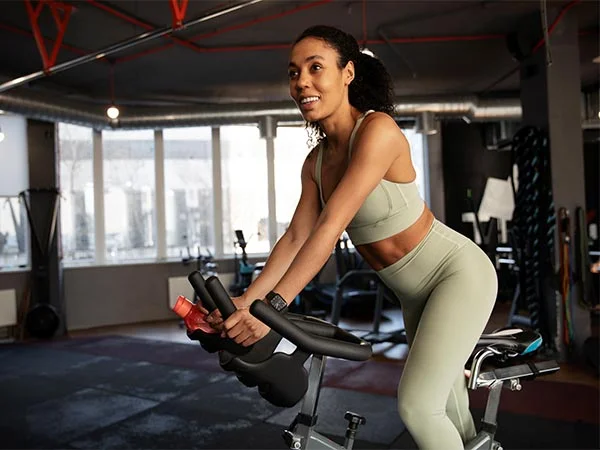
Regular maintenance is crucial to keep your commercial spin bikes in optimal condition. Establish a maintenance routine that includes:
- Daily Checks: Wipe down the bike, check for loose parts, and ensure the console is functioning.
- Weekly Maintenance: Inspect the drive system, lubricate the chain or belt if necessary, and check the resistance mechanism.
- Monthly Maintenance: Thoroughly inspect all components, tighten bolts, and ensure the bike is level.
Here’s a basic maintenance schedule table:
| Task | Frequency | Description |
|---|---|---|
| Wipe Down Bike | Daily | Clean the frame, seat, and handlebars. |
| Check for Loose Parts | Daily | Ensure all bolts and screws are tight. |
| Inspect Drive System | Weekly | Check for wear and lubricate if needed. |
| Test Resistance Levels | Weekly | Ensure resistance adjustments are smooth. |
| Thorough Inspection | Monthly | Inspect all components for wear and tear. |
| Level the Bike | Monthly | Ensure the bike is stable and level. |
Conclusion
Choosing the best commercial spin bike for your gym involves careful consideration of various factors, including durability, resistance mechanisms, adjustability, console features, and user comfort. By understanding these key elements and evaluating different models based on your specific needs, you can make an informed decision that will enhance your gym’s offerings and improve member satisfaction.
Investing in high-quality commercial spin bikes is crucial for providing a superior workout experience. Ensure you consider your budget, brand reputation, and the specific needs of your gym when making your choice. With the right equipment, you can create an engaging and effective fitness environment that attracts and retains members.
FAQ
What is the difference between a commercial spin bike and a regular exercise bike?
Commercial spin bikes are built to withstand the heavy usage typical of gym environments. They feature more durable components, heavier flywheels, and advanced resistance mechanisms compared to regular exercise bikes designed for home use.
How often should I maintain my commercial spin bike?
Regular maintenance is essential for the longevity and performance of commercial spin bikes. Perform daily checks, weekly maintenance, and monthly thorough inspections to keep the bikes in optimal condition.
Can commercial spin bikes be used for high-intensity interval training (HIIT)?
Yes, commercial spin bikes are ideal for high-intensity interval training (HIIT) due to their robust construction, adjustable resistance levels, and ability to handle intense workouts.
What should I consider when choosing the flywheel weight for a commercial spin bike?
Heavier flywheels provide a smoother and more consistent ride, which is especially important for high-intensity workouts. Aim for a flywheel weight of 30-50 pounds for the best performance.
Are there financing options available for purchasing commercial spin bikes?
Many fitness equipment suppliers offer financing options to help gyms manage the cost of purchasing commercial spin bikes. Check with the manufacturer or retailer for available financing plans.