
Introduction
In the ever-evolving world of fitness, core strength has emerged as a fundamental pillar of overall health and athletic performance. Among various exercise modalities available, Pilates stands out as a highly effective method for developing not just core strength, but also stability and flexibility. This blog explores how a Pilates workout can transform your core strength, detailing its principles, techniques, and the profound benefits it offers to practitioners at all levels.
What is Pilates?
Pilates is a comprehensive low-impact exercise system created by Joseph Pilates in the early 20th century. Initially developed for rehabilitation, Pilates has evolved into a popular form of exercise that focuses on strengthening muscles while enhancing postural alignment and flexibility. A traditional Pilates workout combines a series of controlled movements designed to engage the core and stabilize the entire body. These exercises not only promote physical strength but also foster a deeper mind-body connection, making Pilates a holistic approach to fitness.
The Importance of Core Strength
Core strength is often defined as the ability to stabilize the trunk and pelvis during movement. It encompasses more than just the abdominal muscles; the core includes muscles in the lower back, hips, and pelvic floor. A strong core is essential for numerous reasons:
- Better Posture: Core strength supports proper alignment, leading to improved posture whether sitting, standing, or moving.
- Enhanced Athletic Performance: A powerful core translates to better performance in sports and physical activities by providing stability and generating power.
- Injury Prevention: A robust core helps mitigate the risk of injuries by supporting the spine and distributing loads evenly during physical activities.
- Improved Balance and Stability: Strong core muscles provide the foundation for balance, enhancing stability in daily activities and sports.
How Pilates Works Your Core
The Principles of Pilates
At the heart of every Pilates workout are six key principles that guide practitioners toward effective and mindful exercise. Understanding these principles can greatly enhance your practice:
| Principle | Description |
|---|---|
| Concentration | Focus on precise movements and body awareness, ensuring that each exercise is performed with intent. |
| Control | Emphasizes quality over quantity in movements, promoting controlled, deliberate actions that engage the core effectively. |
| Centering | Engaging the core as the center of all movements, which promotes stability and strength throughout the body. |
| Flow | Smooth transitions between exercises for efficiency, ensuring that workouts are dynamic and continuous. |
| Precision | Each movement is performed with accuracy, reducing the risk of injury and maximizing effectiveness. |
| Breathing | Proper breathing techniques enhance performance and provide oxygen to the muscles, helping to maintain endurance. |
Core Exercises in Pilates
Pilates incorporates a variety of exercises specifically designed to target the core. Here are some of the most effective core exercises commonly found in a Pilates workout:
| Exercise | Description |
|---|---|
| The Hundred | A warm-up that engages the entire core while coordinating breath with movement, setting the stage for the workout. |
| Roll Up | This exercise stretches and strengthens the spine, helping to develop flexibility while challenging the abdominal muscles. |
| Single Leg Stretch | Targets the obliques and lower abdominal muscles, promoting stability and control as you alternate legs. |
| Criss-Cross | A rotational exercise that focuses on the obliques, enhancing core strength through controlled movement. |
| Plank | A full-body exercise that emphasizes core stability while also engaging the arms, legs, and back for a comprehensive workout. |
Benefits of a Pilates Workout for Core Strength
Enhanced Muscle Activation
One of the standout benefits of a Pilates workout is its ability to promote deep muscle activation throughout the core. Research indicates that Pilates engages deep stabilizing muscles, particularly the transverse abdominis, leading to improved core strength and endurance. This deep engagement is crucial for developing a strong and functional core that supports all physical activities.
Improved Posture
A strong core plays a direct role in achieving better posture. Many individuals struggle with poor posture due to sedentary lifestyles and lack of awareness. Regular Pilates practice encourages awareness of body alignment and promotes muscle engagement that supports the spine. Over time, this can lead to significant improvements in how you carry yourself throughout the day, reducing the strain on your back and neck.
Increased Flexibility
While Pilates primarily emphasizes strength, it also enhances flexibility. Improved flexibility in the hips, spine, and shoulders allows for better movement mechanics, which can lead to a decreased risk of injury. By incorporating dynamic stretching and controlled movements, Pilates helps practitioners achieve a greater range of motion while strengthening the core.
Injury Prevention
With a strong core, the body is better equipped to handle physical stress and prevent injuries. Many athletes incorporate Pilates workouts into their training regimens to maintain core stability and reduce the likelihood of injuries. By fostering balanced muscle development and promoting proper alignment, Pilates acts as a protective factor against common injuries.
Enhanced Athletic Performance
Athletes who engage in consistent Pilates workouts often report improved performance in their respective sports. Core strength is crucial for generating power, balance, and coordination, making Pilates an ideal addition to any athletic training program. From runners to dancers, many athletes utilize Pilates to enhance their performance and achieve their fitness goals.
How to Incorporate Pilates into Your Routine
Finding the Right Class
When starting your Pilates workout, consider the following options to find a class that suits your needs:
| Type of Class | Description |
|---|---|
| Mat Pilates | Performed on a mat using body weight and small props, suitable for beginners and those looking to build foundational skills. |
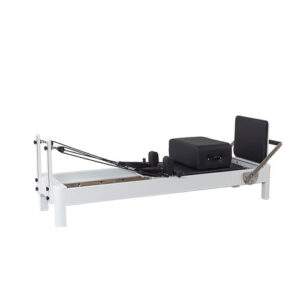
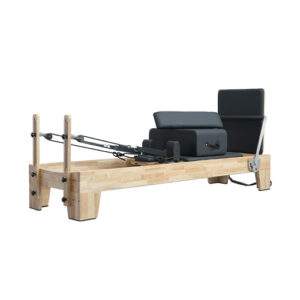
| Reformer Pilates | Utilizes a reformer machine that provides resistance, allowing for more challenging variations and greater muscle engagement. |
| Group Classes | An encouraging atmosphere with shared learning experiences, fostering community and motivation among participants. |
| Private Sessions | Personalized instruction tailored to individual goals, ideal for those seeking specific guidance or rehabilitation support. |
Frequency of Workouts
To see significant improvements in core strength, aim for at least 2-3 Pilates workouts per week. Consistency is key to achieving and maintaining results. It’s essential to listen to your body and adjust the frequency based on your fitness level and goals. For beginners, starting with two sessions a week and gradually increasing frequency can lead to optimal progress.
Combining Pilates with Other Workouts
Integrating Pilates with other forms of exercise can provide a well-rounded fitness regimen. Consider combining your Pilates workouts with strength training, cardiovascular activities, or yoga for optimal results. This cross-training approach not only keeps workouts diverse and engaging but also allows you to benefit from the unique strengths of each modality.
Common Misconceptions About Pilates
Myth : Pilates is Only for Women
While Pilates is often associated with female practitioners, it is a highly effective workout for people of all genders and fitness levels. Many professional athletes, including men, use Pilates to enhance their performance and build core strength. It’s a misconception that Pilates lacks relevance for men, as its principles and benefits apply universally.
Myth : Pilates Doesn’t Build Strength
Contrary to this belief, a well-structured Pilates workout can build significant strength, particularly in the core. The emphasis on controlled movements and resistance ensures that muscles are effectively engaged. Many athletes incorporate Pilates into their training routines specifically to build strength without adding bulk, allowing for lean muscle development.
Myth : Pilates is Easy
While some Pilates workouts can appear gentle, they can be quite challenging. The focus on precision and control can push your limits and deliver impressive results. Many practitioners find that even simple movements can be intense when performed with the proper technique and concentration.
Creating Your Pilates Workout Plan
Setting Goals
When starting your Pilates workout journey, it’s essential to set clear, achievable goals. Consider your current fitness level and what you hope to achieve. Goals might include improving core strength, enhancing flexibility, or rehabilitating an injury. Setting specific, measurable, achievable, relevant, and time-bound (SMART) goals can help guide your practice and keep you motivated.
Sample Weekly Pilates Schedule
Here’s a sample schedule for integrating Pilates workouts into your routine:
| Day | Workout Type | Duration |
|---|---|---|
| Monday | Mat Pilates | 45 minutes |
| Wednesday | Reformer Pilates | 60 minutes |
| Friday | Core Strength Focus | 30 minutes |
| Saturday | Flexibility Session | 30 minutes |
This balanced approach ensures that you engage different aspects of Pilates while maintaining consistency in your practice. Adjust the schedule based on your personal preferences and lifestyle, ensuring that it remains enjoyable and sustainable.
Conclusion
Incorporating a Pilates workout into your fitness routine can lead to significant improvements in core strength, posture, and overall well-being. Whether you’re a beginner looking to build foundational strength or an experienced athlete seeking to enhance performance, Pilates offers a versatile and effective approach to achieving your fitness goals. By committing to regular practice, remaining mindful of your body’s needs, and embracing the transformative effects of a strong core, you can unlock a healthier, more balanced lifestyle.
FAQ
Q:What equipment do I need for Pilates?
A:You can start with just a mat, but many Pilates studios offer equipment like reformers, which can enhance your workouts. If you’re practicing at home, consider investing in a high-quality mat, resistance bands, and small props like a Pilates ring or balls to diversify your workouts.
Q:How long will it take to see results from Pilates?
A:With consistent practice, many people notice improvements in core strength and flexibility within a few weeks. Factors such as your fitness level, frequency of workouts, and diet can influence how quickly you see results. Some individuals may experience noticeable changes in posture and strength even sooner, depending on their commitment to practice.
Q:Is Pilates safe for beginners?
A:Yes, Pilates is generally safe for beginners. It’s recommended to start with a qualified instructor who can guide you through the basics. Many studios offer beginner classes that focus on fundamental movements and proper technique, ensuring a safe and effective introduction to Pilates.
Q:Can Pilates help with back pain?
A:Many people find relief from back pain through Pilates, as it strengthens the core and promotes better posture. Pilates emphasizes spinal alignment and core stability, both of which can alleviate discomfort and prevent further injury. Consult with a healthcare professional before starting any new exercise program, especially if you have a history of back pain.