
Table of Contents
Introduction
If you’re looking for an effective cardio workout that is gentle on your joints while building strength and endurance, a gym stair climber is an ideal choice. Unlike running on hard surfaces, stair climbers provide a low-impact way to increase your heart rate, strengthen your lower body, and improve overall stamina. At SDVital, we specialize in professional fitness equipment, including gym stair climbers, to help facilities of all sizes optimize member workouts. Using a stair climber regularly can boost cardiovascular health, improve muscular endurance, and provide a versatile training option for both beginners and seasoned athletes. In this guide, you’ll discover beginner-friendly to advanced exercises, proper techniques, and a structured workout plan to get the most out of your stair climber sessions, helping your gym members achieve their fitness goals safely and effectively.
Benefits of Using a Gym Stair Climber

Cardiovascular Health Improvement
Using a gym stair climber consistently enhances heart and lung function. Research shows that regular stair climbing can improve VO2 max, heart rate variability, and overall endurance. Unlike some other cardio exercises, stair climbing combines sustained aerobic work with bursts of intensity, which helps improve both aerobic and anaerobic energy systems. Over time, consistent stair climber training can reduce resting heart rate and improve overall cardiovascular efficiency, contributing to long-term heart health and increased stamina for daily activities.
Strengthening Lower Body Muscles
A gym stair climber engages multiple lower-body muscles simultaneously. Your glutes, quadriceps, hamstrings, and calves all work to lift your body with every step. Because stair climbing incorporates both concentric (lifting) and eccentric (lowering) muscle contractions, it promotes strength, balance, and joint stability. This can lead to improved posture and functional fitness, which is particularly beneficial for individuals looking to enhance mobility, prevent injuries, or recover from lower-body muscle imbalances.
Low-Impact Joint-Friendly Exercise
For individuals with knee or hip sensitivities, stair climbers provide a safer alternative to running. The low-impact motion reduces stress on the joints while maintaining a high-calorie burn and cardiovascular benefits. Unlike treadmills or outdoor running surfaces, the fluid stepping motion of a stair climber distributes pressure evenly, minimizing impact-related injuries. This makes it suitable for older adults, people recovering from injuries, and anyone seeking an effective, joint-friendly cardio option.
Calorie Burn and Weight Management
Stair climbing is an effective tool for weight management. According to research published in the Journal of Strength and Conditioning, stair climbing at a moderate pace can burn between 8-11 calories per minute, depending on body weight and resistance settings. Over a 30-minute session, this translates into significant energy expenditure, making stair climber workouts an excellent choice for individuals looking to burn fat and maintain a healthy weight. Combined with a balanced diet, stair climbing can accelerate fat loss while improving muscle tone in the lower body.
How to Properly Use a Gym Stair Climber

Correct Posture and Form
Maintaining correct posture on a stair climber is critical to maximize effectiveness and prevent injuries. Keep your back straight, shoulders relaxed, and core engaged. Avoid leaning heavily on the handles, as this reduces lower body activation and diminishes workout efficiency. Focus on a controlled stepping motion with each foot landing fully on the pedal to maintain proper alignment and engage your muscles fully.
Adjusting Resistance and Speed
Start at a comfortable speed and moderate resistance to get familiar with the motion. Gradually increase the intensity as your endurance improves. Using higher resistance levels recruits more muscle fibers, enhancing strength development, while faster speeds primarily increase cardiovascular demand. Mixing resistance and speed adjustments allows for versatile training, from endurance-focused sessions to high-intensity interval training.
Common Mistakes to Avoid
Many users make the mistake of overstriding, leaning forward, or bouncing on the pedals. Overstriding can strain the knees and reduce workout efficiency, while excessive leaning can shift workload away from the glutes and hamstrings. Focus on smooth, controlled steps and keep your weight centered to engage muscles correctly and reduce the risk of injury. A proper warm-up before using the machine can further improve safety and performance.
Beginner-Friendly Gym Stair Climber Exercises

Basic Step-Up Routine
For newcomers, the basic step-up routine is ideal. Start with a slow, steady pace for 5-10 minutes, focusing on smooth movement and consistent breathing. This helps develop rhythm, confidence, and familiarity with the machine. The exercise primarily targets the glutes, quads, and calves, and can serve as a gentle introduction to structured stair climbing workouts.
Side-to-Side Step Variation
Once comfortable, try side-to-side stepping. Slightly shift your body to the left and right while climbing to engage inner and outer thigh muscles. This variation improves lateral stability, strengthens hip adductors and abductors, and adds a fun, dynamic element to your workout. Beginners can start with 1-2 minutes per side, gradually increasing duration as they build confidence.
Slow and Steady Endurance Climb
For endurance, maintain a slow, consistent pace for 10-15 minutes. This method enhances cardiovascular health without causing fatigue, making it ideal for those new to cardio training or returning from injury. Keeping a steady pace also teaches proper breathing and posture habits essential for more advanced workouts later.
Intermediate Gym Stair Climber Workouts
Alternating Step Intervals
Alternate between 30 seconds of fast stepping and 30 seconds of slow recovery. This interval training increases calorie burn, improves aerobic and anaerobic capacity, and reduces monotony. Start with 5-6 intervals per session and gradually increase as stamina improves.
Adding Arm Movements
Incorporate dumbbells or controlled arm extensions to engage the upper body while climbing. This turns the stair climber into a full-body workout, strengthening shoulders, arms, and core, while maintaining cardiovascular benefits. Proper arm coordination can also improve balance and rhythm during the workout.
Tempo Variation for Intensity
Vary your pace within a single session, alternating moderate and high-intensity periods. This approach maximizes calorie burn, stimulates different energy systems, and increases overall workout effectiveness. Tempo variation also reduces mental fatigue, keeping your sessions engaging and challenging.
Advanced Low-Impact Gym Stair Climber Workouts
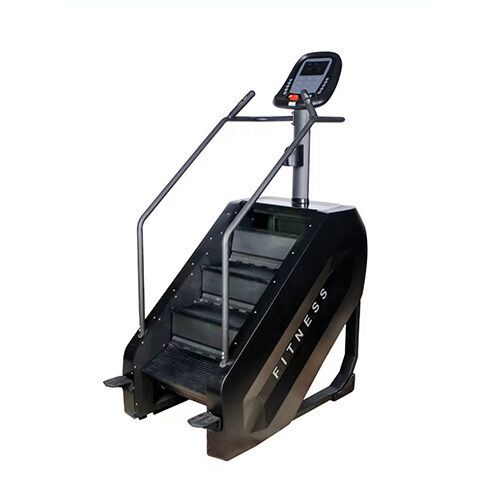
HIIT-Inspired Climbing Intervals
High-intensity intervals involve short bursts of maximum-effort climbing followed by recovery periods. This elevates cardiovascular fitness, improves anaerobic capacity, and enhances fat metabolism. Advanced users can adjust work-to-rest ratios based on their fitness level.
Resistance and Incline Challenges
Increasing resistance or simulating an incline adds strength-building benefits for glutes, quads, and hamstrings. These adjustments mimic hill climbing and provide a functional, real-world strength challenge that can improve performance in other athletic activities.
Combining Core Movements
Incorporate slight torso twists or stabilize with abdominal engagement during stepping. This improves core strength, posture, and overall stability while challenging your body coordination. Engaging the core throughout the workout ensures proper alignment and maximizes calorie burn.
Sample Low-Impact Gym Stair Climber Workout Plan
| Exercise | Duration / Reps | Target Muscle Group | Intensity Level |
|---|---|---|---|
| Basic Step-Up | 3 mins | Quads, Glutes | Beginner |
| Side-to-Side Steps | 2 mins | Inner & Outer Thighs | Beginner |
| Alternating Intervals | 20 sec fast / 40 sec slow x 6 | Full Lower Body | Intermediate |
| Arm Movement Climb | 2 mins | Arms, Shoulders, Core | Intermediate |
| HIIT Climb | 30 sec sprint / 30 sec recovery x 5 | Full Body | Advanced |
| Core Twist Climb | 2 mins | Abs, Obliques | Advanced |
| Cool Down Step | 5 mins | Full Body | Beginner |
Gym Stair Climber Exercises for Rehabilitation
Low-Impact Cardio for Joint Recovery
For those recovering from knee, hip, or ankle injuries, stair climbers provide a controlled, low-impact environment to regain mobility. Patients can gradually increase intensity without aggravating joints.
Balance and Stability Focused Moves
Performing slow steps with light hand support improves balance, strengthens stabilizing muscles, and reduces fall risk. This is particularly useful in physical therapy and for older adults seeking safe cardio alternatives.
Tips for Physical Therapy Integration
Work closely with a physiotherapist to customize duration, resistance, and movement patterns. Combining stair climbing with flexibility, strength, or balance exercises ensures holistic recovery.
Tracking Progress with Your Gym Stair Climber
Using Heart Rate Monitors
Monitoring heart rate helps maintain optimal training zones and improves cardiovascular outcomes. Aim for 60-80% of maximum heart rate during moderate sessions.
Measuring Step Counts and Calories
Many stair climbers track steps, distance, and calories burned. Recording these metrics allows users to see progress, set goals, and adjust intensity as needed.
Tracking Improvements in Strength and Endurance
Keep a log of resistance levels, session duration, and pace improvements. Tracking these indicators helps you measure performance gains and motivates continued effort.
Common Mistakes and How to Avoid Them
Leaning Too Far Forward
Leaning reduces lower-body activation and increases risk of lower back strain. Keep weight centered and core engaged throughout your session.
Overstriding or Skipping Steps
Maintain steady, controlled steps. Overstriding can stress joints, while skipping steps reduces effectiveness and increases injury risk.
Ignoring Proper Warm-Up and Cool-Down
A proper warm-up prepares muscles and joints for exercise, while cooling down aids recovery and reduces post-workout soreness. Incorporate dynamic stretches before and static stretches after your stair climber session.
Conclusion
A gym stair climber provides a versatile, low-impact way to build cardiovascular fitness, strengthen the lower body, and burn calories efficiently. From beginner to advanced users, it can be customized for all fitness levels and rehabilitation needs. At SDVital, we provide high-quality gym stair climber equipment designed for professional fitness facilities.
Need Help Choosing the Right Gym Stair Climber? If you’re unsure which gym stair climber is ideal for your facility or training program, our experts are ready to assist. Contact us today for a personalized consultation, and ensure your gym offers the best equipment for every member. Don’t wait—enhance your fitness space now and elevate member satisfaction!
FAQ
What is a gym stair climber and how does it work?
A gym stair climber simulates stair climbing, providing low-impact cardio while targeting multiple lower-body muscles.
Is it safe for beginners or older adults?
Yes, stair climbers are adjustable and suitable for a wide range of users, including beginners and older adults.
How often should I train on a gym stair climber?
2-4 times per week is ideal, adjusting duration and intensity based on individual goals.
Can it replace treadmill or cycling workouts?
It complements other cardio exercises but provides unique lower-body muscle engagement.
Which muscles are primarily targeted?
Quadriceps, glutes, hamstrings, calves, and core muscles are the main focus.