
Introduction
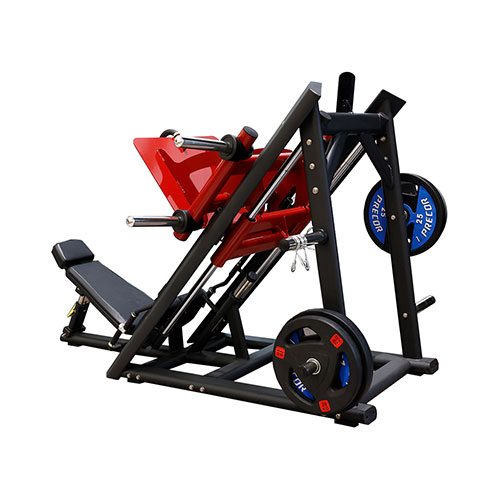
The seated leg press machine is a staple in many gyms worldwide, revered for its ability to target and strengthen the lower body muscles effectively. This comprehensive guide will delve into the intricacies of using the seated leg press, from its benefits to the correct form and technique, variations, and safety considerations. Whether you’re a seasoned gym-goer or a beginner, this guide will provide you with everything you need to know to make the most out of your leg press workouts.
Benefits of Using the Seated Leg Press Machine
Improved Lower Body Strength: The seated leg press targets the quadriceps, hamstrings, and glutes, leading to enhanced lower body strength.
Versatility in Training: It allows for a range of exercises beyond the basic leg press, including single-leg variations and calf raises.
Reduced Impact on Joints: Unlike other leg exercises, the seated leg press is low impact, making it suitable for individuals with joint issues.
Increased Muscle Mass: Regular use can lead to significant muscle hypertrophy in the lower body.
Improved Athletic Performance: The muscle groups targeted are essential for sports that require explosive power and agility.
Correct Form and Technique
Proper form is crucial to prevent injury and maximize the benefits of the seated leg press. Here’s a step-by-step guide to performing the exercise correctly:
Adjust the Seat: Position the seat so that your legs are at a 90-degree angle when the weight is at its highest point.
Foot Placement: Place your feet shoulder-width apart on the platform, with your toes slightly pointed outwards.
Gripping the Handles: Hold onto the handles beside you for stability, but do not pull on them during the exercise.
Breathing: Inhale as you slowly lower the weight by bending your knees.
Pushing Through the Heels: Exhale and push through your heels to straighten your legs, making sure not to lock your knees at the top.
Controlled Movement: Maintain a slow and controlled tempo throughout the exercise.
Variations of the Seated Leg Press Machine
Incorporating variations can help prevent plateaus and target different muscles within the lower body.
Single-leg Press: This variation isolates each leg, improving balance and symmetry.
Calf Raises on the Leg Press: By placing the balls of your feet on a raised platform, you can target your calf muscles.
Wide Stance Press: A wider foot placement can emphasize the inner thigh muscles.
Narrow Stance Press: Conversely, a narrower stance will target the outer thigh muscles.
Safety Considerations
Safety should always be a priority when using any gym equipment. Here are some safety tips for the seated leg press:
Proper Warm-up: Always start with a warm-up to prepare your muscles for the workout.
Check Weight: Ensure the weight is correctly loaded and secure before starting your set.
No Neck Strain: Avoid jerking or straining your neck during the exercise.
Controlled Reps: Do not use momentum to complete reps; go as heavy as you can while maintaining proper form.
Emergency Release: Know where the emergency release or stop button is located in case you cannot complete a rep.
Table: Comparison of Leg Press Variations
| Variation | Muscles Targeted | Foot Placement | Key Points |
|---|---|---|---|
| Standard Press | Quads, Hamstrings, Glutes | Shoulder-width apart | Controlled movement, even tempo |
| Single-leg Press | Single Leg Focus | Alternate legs | Maintain balance, engage core |
| Calf Raises | Calves | Balls of feet on raised platform | Push through the heels, minimal knee bend |
| Wide Stance | Inner Thighs | Feet wider than shoulder-width | Emphasis on inner leg muscles |
| Narrow Stance | Outer Thighs | Feet closer than shoulder-width | Emphasis on outer leg muscles |
Common Mistakes and How to Avoid Them: Seated Leg Press Machine
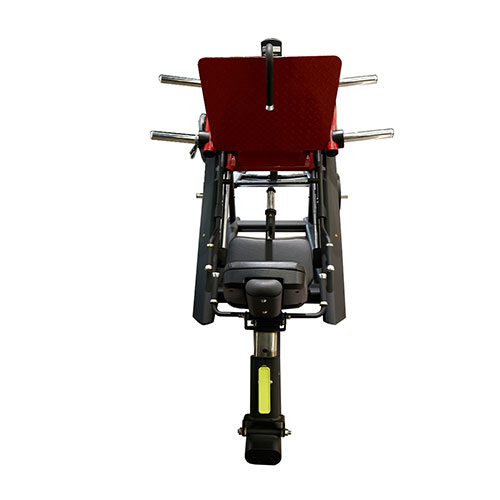
Using Too Much Weight: Start with a weight that allows you to maintain proper form and gradually increase it.
Not Fully Extending Your Legs: Avoid locking your knees at the top of the movement; keep a slight bend to reduce stress on the joints.
Lifting the Back Off the Pad: Keep your back firmly against the pad throughout the exercise for stability.
Kicking Out: Maintain your feet flat on the platform to prevent knee strain.
Conclusion: Seated Leg Press Machine
The seated leg press machine is a versatile and effective tool for developing lower body strength and muscle mass. By understanding the correct form, incorporating variations, and following safety guidelines, you can optimize your workouts and achieve your fitness goals. Remember to always listen to your body and seek professional advice if you’re unsure about your technique or have any health concerns. Happy pressing!
FAQ
Q: Can I use the seated leg press machine if I have knee problems?
A: Yes, the seated leg press is low impact and can be modified to suit your condition. Consult with a trainer or physiotherapist for personalized advice.
Q: How many sets and reps should I do for the seated leg press?
A: A typical routine might involve 3-4 sets of 8-12 reps, but this can vary based on your fitness level and goals.
Q: Is the seated leg press machine good for building muscle mass?
A: Yes, it’s an excellent compound exercise that can significantly contribute to muscle hypertrophy in the lower body.
Q: Can I do the seated leg press machine every day?
A: It’s generally recommended to allow at least 48 hours of rest between leg workouts to promote recovery and growth.