
Introduction
The Pilates machine, or Reformer, is a versatile piece of equipment that was designed by Joseph Pilates to help individuals of all fitness levels improve their strength, flexibility, and posture. It offers a full-body workout that focuses on core strength, alignment, and balance.
Understanding the Pilates Machine
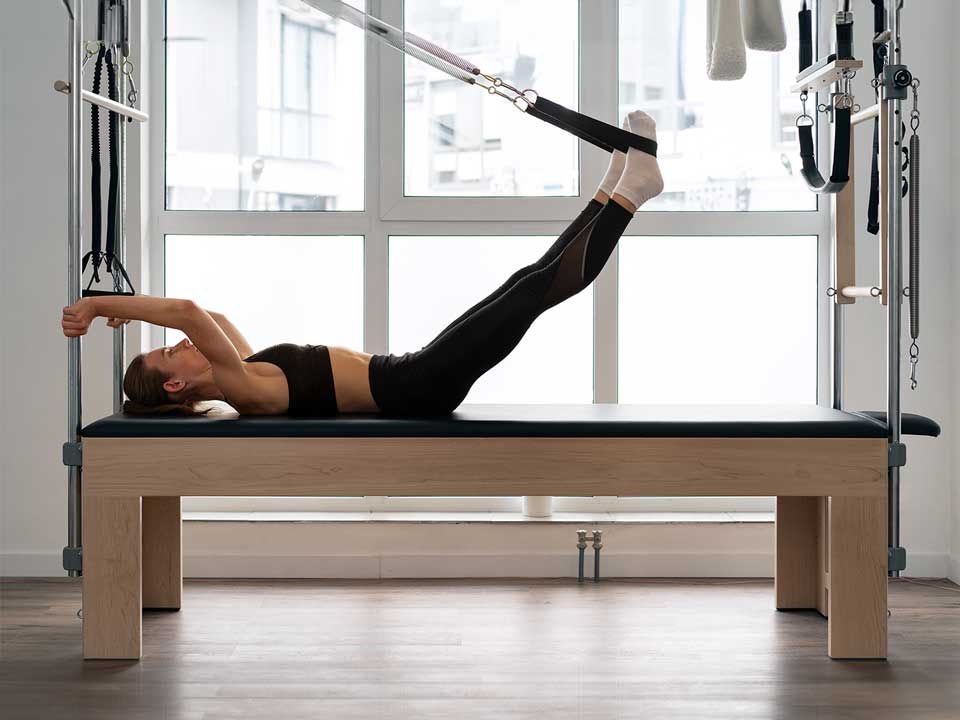
Before we explore the benefits, let’s understand what a Pilates machine is and how it works.
- Spring Resistance: The machine uses a system of springs to provide resistance, allowing for a wide range of exercise variations.The resistance levels can be easily adjusted to accommodate different fitness levels, making it suitable for beginners and advanced users alike. The smooth and controlled movements help to target specific muscle groups effectively, while also reducing the risk of injury. With its compact design, the machine is perfect for home use and can be easily stored when not in use.
- Carriage and Straps: The sliding carriage and various straps and bars enable you to perform a multitude of exercises targeting different muscle groups.Some of the exercises you can do include chest presses, rows, leg curls, and tricep extensions. This versatile piece of equipment allows you to customize your workout routine and challenge your body in new ways.
- Adjustability: The adjustable settings allow you to customize the resistance level and the height of the straps to match your fitness level and goals.This ensures that you can progress at your own pace and continue challenging yourself as you get stronger and more fit.
Benefits of Pilates Machine Training
Pilates machine training offers numerous benefits for the body:
Improved Posture
The focus on core strength and alignment in Pilates can help correct postural imbalances and improve overall posture.This can lead to reduced pain and discomfort in the body, as well as increased flexibility and range of motion. By targeting specific muscle groups and teaching proper body mechanics, Pilates can help individuals move more efficiently and with greater ease in their daily activities.
Increased Strength and Flexibility
The controlled movements and resistance training provided by the machine can lead to increased strength and flexibility in the muscles.
Enhanced Balance and Coordination
Pilates exercises often require balance and coordination, which can improve your overall stability and body awareness.Improving these aspects can help prevent injuries and enhance performance in other physical activities. Additionally, Pilates focuses on strengthening the core muscles, which can lead to better posture and alignment. This can alleviate back pain and improve overall body strength and flexibility. Whether you are a beginner or an advanced practitioner, Pilates offers a wide range of exercises that can be tailored to your fitness level and goals.
Low-Impact Workout
The low-impact nature of Pilates machine training makes it suitable for individuals with joint issues or those recovering from injuries.
Better Core Stability
The Pilates machine is particularly effective for core workouts, which are essential for overall fitness and injury prevention.
Pilates Machine Exercises
Here are some common Pilates machine exercises that can be incorporated into your workout routine:
- Seated Leg Press: Targets the quadriceps and glutes.
- Short Spine Stretch: Stretches the spine and improves flexibility.
- Lateral Side Bend: Works on oblique muscles and improves waistline definition.
- Abdominal Crunch: Strengthens the abdominal muscles.
- Scissor Legs: Enhances lower abdominal strength and hip flexibility.
Comparison Table of Pilates Machine Exercises

To give you a clearer picture of how different exercises target various muscle groups, here’s a comparison table:
| Exercise | Muscle Group Targeted | Benefits |
|---|---|---|
| Seated Leg Press | Quadriceps, Glutes | Strengthens lower body, improves balance |
| Short Spine Stretch | Spinal muscles | Increases spinal flexibility |
| Lateral Side Bend | Obliques | Defines waistline, improves core strength |
| Abdominal Crunch | Abdominals | Strengthens core, supports lower back |
| Scissor Legs | Lower Abdominals, Hips | Enhances lower body strength and flexibility |
Conclusion
Pilates machine training offers a multitude of benefits for the body, including improved posture, increased strength and flexibility, enhanced balance and coordination, and better core stability. By incorporating a variety of exercises into your routine and progressing at your own pace, you can achieve a well-rounded and effective workout. Remember to always consult with a professional to ensure proper form and technique.
FAQ
Q: What is Pilates machine training, and how does it differ from traditional Pilates exercises? A: Pilates machine training involves using specialized equipment such as Reformers, Cadillacs, and Chairs to perform Pilates exercises. These machines utilize springs, straps, and pulleys to provide resistance and support during workouts, offering a unique and effective way to enhance strength, flexibility, and overall fitness compared to traditional mat-based Pilates exercises.
Q: What are the primary benefits of Pilates machine training for the body?
A: Pilates machine training offers numerous benefits, including improved core strength and stability, enhanced flexibility and range of motion, promotion of mind-body connection and mindfulness, and customization of workouts for individuals of all fitness levels. These benefits contribute to better posture, reduced risk of injury, and overall physical and mental well-being.
Q: Can Pilates machine training help with weight loss and toning muscles?
A: While Pilates machine training primarily focuses on improving strength, flexibility, and overall fitness, it can also aid in weight loss and muscle toning when combined with a balanced diet and regular cardiovascular exercise. The resistance provided by the machines helps build lean muscle mass, which can increase metabolism and promote fat loss over time.
Q: Are Pilates machines suitable for people with injuries or medical conditions?
A: Pilates machines can be beneficial for rehabilitation from injuries or medical conditions under the guidance of a qualified instructor or healthcare professional. The controlled movements and adjustable resistance of the machines allow for safe and effective exercise modifications to accommodate individual needs and limitations. However, it’s essential to consult with a healthcare provider before starting Pilates machine training, especially if you have specific medical concerns or injuries.
Q: How often should I engage in Pilates machine training to see results?
A: The frequency of Pilates machine training depends on individual goals, fitness level, and schedule. For optimal results, aim for at least 2-3 sessions per week, allowing time for rest and recovery between workouts. Consistency is key to seeing improvements in strength, flexibility, and overall fitness over time.