
Introduction
The Pilates Reformer is a versatile piece of equipment that has become increasingly popular in recent years for its ability to enhance core strength, improve flexibility, and promote overall body balance. Developed by Joseph Pilates in the 1920s, the Reformer is a spring-based machine that allows for a wide range of exercises, each designed to challenge and develop different muscle groups. In this comprehensive guide, we will explore the benefits of using a Pilates Reformer, its various components, the types of exercises that can be performed, and how to incorporate it into your fitness routine. We will also address some frequently asked questions (FAQs) to provide a deeper understanding of this effective training tool.
Understanding the Pilates Reformer
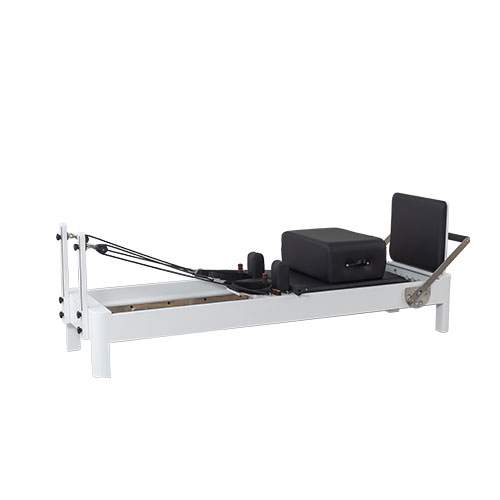
The Pilates Reformer is a unique exercise machine that combines the principles of Pilates with the benefits of resistance training. It is designed to work the entire body, with a focus on the core muscles, which are essential for maintaining proper posture, balance, and stability. The Reformer’s resistance is generated by springs, and the user controls the movement of the carriage (called the “blade”) by pushing or pulling against the resistance.
Components of the Pilates Reformer
- Carriage (Blade): The moving platform that the user pushes or pulls against.
- Springs: Provide adjustable resistance levels to challenge the user.
- Pulleys: Used to change the direction of the resistance and to guide the movement of the carriage.
- Foot Bar: Attached to the carriage, it is used for foot exercises and to anchor the lower body.
- Headrest: Provides support for the neck and head during exercises that require lying down.
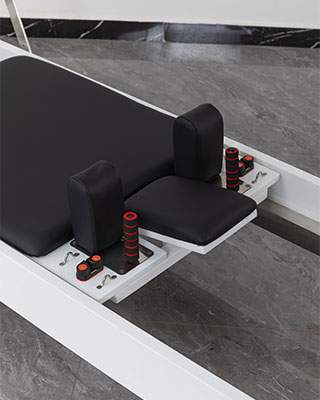
- Shoulder Rests: Used to support the upper body during exercises and to help maintain proper alignment.
Benefits of Using a Pilates Reformer
Incorporating a Pilates Reformer into your fitness routine can offer numerous benefits, including:
- Core Strengthening: The Reformer effectively targets the deep core muscles, which are crucial for overall stability and balance.
- Improved Posture: Regular use of the Reformer can help correct imbalances and promote proper alignment, leading to better posture.
- Increased Flexibility: The controlled movements and stretching exercises performed on the Reformer can enhance flexibility and range of motion.
- Muscular Balance: The Reformer helps to develop balanced muscle strength, which is essential for preventing injuries and improving athletic performance.
- Low-Impact Exercise: The smooth, flowing movements of Pilates Reformer exercises are gentle on the joints, making it suitable for all fitness levels and ages.
Table of Benefits
| Benefit | Description |
|---|---|
| Core Strengthening | Targets the deep core muscles responsible for stability and balance. |
| Improved Posture | Helps correct imbalances and promotes proper alignment for better posture. |
| Increased Flexibility | Enhances flexibility and range of motion through controlled movements and stretching. |
| Muscular Balance | Develops balanced muscle strength across the body to prevent injuries and improve performance. |
| Low-Impact Exercise | Suitable for all fitness levels and ages due to the gentle nature of the exercises. |
Types of Pilates Reformer Exercises
The Pilates Reformer offers a wide variety of exercises that can be modified to suit different fitness levels and goals. Some common exercises include:
- Seated Leg Pull: This exercise targets the glutes, hamstrings, and quadriceps while seated on the Reformer.
- Lying Leg Pull: A variation of the leg pull performed while lying down, focusing on the lower body muscles.
- Spine Stretch: A stretching exercise that works on the back and hip flexors, promoting length and flexibility.
- Scooter: A full-body exercise that challenges the core, arms, and legs while simulating a rowing motion.
- Crescent: An upper body exercise that targets the chest, shoulders, and arms while also engaging the core for stability.
Conclusion
The Pilates Reformer is an exceptional tool for enhancing core strength, improving flexibility, and promoting overall body balance. Its versatility and adaptability make it suitable for a wide range of fitness levels and goals. By incorporating the Reformer into your fitness routine, you can experience the numerous benefits it offers, such as improved posture, increased muscular balance, and low-impact exercise options. As with any fitness program, it is crucial to use proper technique and seek guidance from certified professionals to maximize results and minimize the risk of injury. With dedication and consistency, the Pilates Reformer can be a transformative addition to your health and wellness journey.
FAQ
Q: What is the difference between a Pilates Reformer and a traditional mat Pilates workout?
A: While both focus on the principles of Pilates, the Reformer provides additional resistance through the use of springs, allowing for a greater range of exercises and more targeted muscle engagement.
Q: Can beginners use a Pilates Reformer?
A: Yes, beginners can use a Pilates Reformer, but it is recommended to start with a class or under the guidance of a certified instructor to learn proper technique and avoid injury.
Q: How often should I use a Pilates Reformer in my fitness routine?
A: It is generally recommended to use the Reformer at least two to three times per week for optimal results, but this can vary depending on individual fitness goals and schedules.
Q: Are there any health conditions that would prevent me from using a Pilates Reformer?
A: If you have any concerns or health conditions, it is essential to consult with a healthcare professional before starting a Pilates Reformer program.