
Introduction
For many people, exercise is a necessary part of maintaining good health and well-being. However, not all of us have the time or ability to go to the gym or get outside for a run or bike ride every day. This is where a quiet exercise bike can be extremely beneficial. A quiet exercise bike, sometimes called a magnetic or magnetic resistance exercise bike, allows you to get your cardio workout in from the comfort of your own home without disturbing others. In this comprehensive guide, we will explore the benefits of a quiet exercise bike, how to choose the right one for your needs and budget, proper usage, and answer some frequently asked questions.
Benefits of a Quiet Exercise Bike
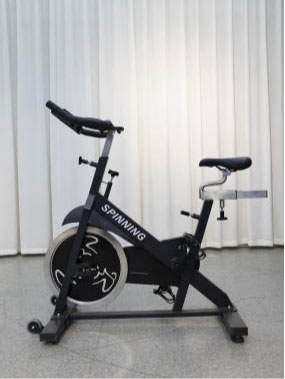
One of the biggest advantages of a quiet exercise bike is the lack of noise. Traditional chain-driven bikes can be quite loud as the chain moves around the gears. This makes them impractical for indoor use if you have housemates, family, or neighbors nearby. Quiet bikes utilize magnetic resistance instead of a chain and gears, so there is no clanking or clicking sounds produced during pedaling. You can get your sweat on without disturbing others, even late at night or early in the morning.
Another major benefit is convenience. A quiet bike takes up much less space than a traditional road or mountain bike, so it’s easy to store out of the way when not in use. This makes it simple to incorporate into your daily routine without having to travel to and from the gym. You can pedal away while watching TV, working, or just relaxing at home. The stationary design also means no worrying about traffic, weather conditions, or finding a suitable place to ride.
Cardio health is another key advantage. Cycling is a low-impact exercise that can help reduce stress on your joints compared to high-impact activities like running. It engages your lower body muscles and gets your heart rate up to improve cardiovascular fitness over time. Regular cycling has been shown to reduce the risk of diseases like heart disease and diabetes. The ability to control the resistance level on a quiet bike makes it suitable for a wide range of fitness levels and goals.
Choosing the Right Quiet Exercise Bike
Now that you understand the main benefits, it’s time to start shopping for your perfect quiet exercise bike. Here are some key factors to consider:
- Budget: Quiet bikes can range widely in price from around 200−200−2,000 depending on features. Consider your long-term goals and needs. Cheaper bikes may require replacing sooner.
- Frame type: Upright or recumbent frames offer different riding positions. Recumbent is easier on the back but takes up more space.
- Resistance: Magnetic or friction resistance provides an adjustable workout. More resistance levels allow for more varied training.
- Display: Look for one with performance metrics like speed, distance, calories burned, programs etc. to keep you motivated.
- Size: Check the listed dimensions and weight limit to ensure it fits your space and body size.
- Extras: Fans, cradles for electronics, bottle holders add convenience. Bluetooth connectivity enables streaming classes.
After considering these factors, popular quiet bike brands to research include Schwinn, Sunny Health & Fitness, and ProForm. Read reviews from owners to help make your selection. A well-built model will provide years of quiet, low-impact exercise.
Proper Usage and Maintenance
Now that you’ve chosen your new quiet exercise bike, it’s important to use and care for it properly to maximize its lifespan. Here are some tips:
- Assemble fully per the instructions and make sure all bolts are tight before first ride.
- Choose a flat, stable surface away from direct sunlight or high foot traffic areas.
- Adjust the seat height so your legs are near full extension at the bottom of each pedal stroke.
- Start slowly to warm up your muscles for 5-10 minutes before increasing resistance or speed.
- Pedal at a moderate, steady pace that feels challenging but not exhausting for 30-60 minutes per session.
- Wipe down the bike, especially where you touch, with a damp cloth after each use to remove sweat and prevent rust or corrosion.
- Check bolts occasionally for tightness and lubricate moving parts as specified in the manual.
- Consider placing on a mat or bike stand to protect floors from sweat drips long term.
Following these basic usage and care steps will ensure your quiet bike provides reliable workouts for years to come. Always listen to your body as well and don’t push through pain.
Workout Programs and Training
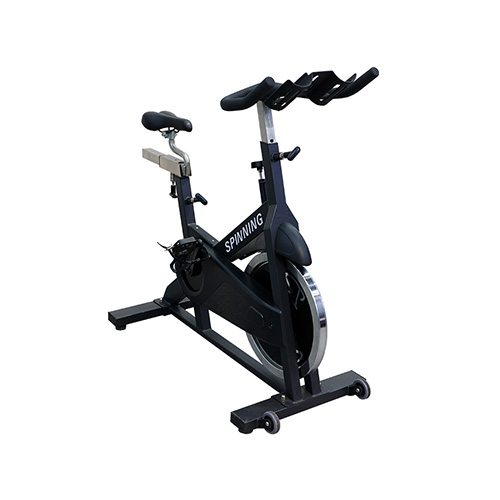
Once you’ve been using your quiet bike regularly, you may want to step up your training for better results. Here are some workout program options to vary your routine:
Interval Training – Alternate between higher resistance/speed and lower recovery periods for set times to boost calorie burn and endurance.
Hill Climbs – Gradually increase resistance over a set time period to mimic riding uphill and build leg strength.
Distance/Time – Set a mileage or time goal and focus on maintaining a steady pace to complete it. Increase the goal over time.
Custom Programs – Many bikes have preset programs for weight loss, cardio, intervals etc. that automatically adjust resistance at set intervals.
You can also track your progress over weeks and months. Aim to slowly increase your average speed, distance, or time on the bike as your fitness improves. Don’t forget to take rest days in between to allow your body to recover. A smart trainer or fitness app can help provide guidance and keep workouts varied. The key is finding an enjoyable routine you look forward to sticking with long term.
Table: Popular Quiet Exercise Bike Brands Comparison
| Brand | Frame Types | Resistance Types | Display Options |
|---|---|---|---|
| Schwinn | Upright, recumbent | Magnetic, friction | Basic to extensive |
| Vital | Upright | Magnetic, friction | Basic to extensive |
| Sunny Health & Fitness | Upright | Magnetic, friction | Basic to moderate |
| ProForm | Upright, recumbent | Magnetic | Extensive |
| Cyclace | Upright | Magnetic | Basic to moderate |
| Xterra | Upright | Magnetic, friction | Basic to moderate |
As shown in the table above, popular quiet bike brands vary in price depending on features but all utilize magnetic or friction resistance for a near-silent workout experience. Higher-end models provide more advanced displays, connectivity, and customizable programs.
Conclusion: Quiet Exercise Bike
In conclusion, a quiet exercise bike provides a low-impact, convenient cardio workout option perfect for indoor home use. By choosing a well-built model and following basic care guidelines, you can embrace the serenity of cycling for years of fitness benefits. Experiment with different programs and routines to keep workouts varied and engaging long term. Most importantly, listen to your body and make exercise an enjoyable part of your daily routine for optimal health and wellness. A quiet bike allows you to fit cardio into your schedule while respecting others, which is truly the ultimate way to embrace serenity.
FAQs
Q: How much space do they take up?
A: Most upright models fold up or have a small footprint of 2-3 feet wide by 4-5 feet long when in use. Recumbent bikes are larger but still fit in a home gym or extra bedroom.
Q: Can I watch TV or work while cycling?
A: Yes, many people enjoy entertainment or light tasks while pedaling. Just be sure to choose a comfortable seat height and resistance level for an effective yet low-impact workout.
Q: Will it improve my cardio fitness?
A: Absolutely. Cycling gets your heart rate up to strengthen your cardiovascular system similar to other cardio machines or outdoor biking. Steady use can boost endurance, lower blood pressure, and heart disease risk over time.
Q: How long will a quiet bike last?
A: Higher-quality models from reputable brands typically last 5-10 years with regular care and maintenance. Cheaper versions may need replacing after 2-3 years of regular use. Proper assembly and care helps maximize the lifespan.
Q: Can two people use it?
A: Most upright bikes can accommodate two people pedaling together if the user weight limit is not exceeded. Recumbent styles are designed for single riders due to limited space.