
Table of Contents
Introduction
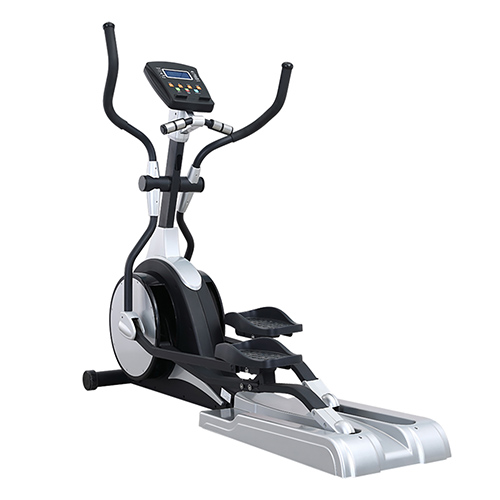
In the diverse world of cardio equipment, choosing the right machine for your fitness goals can be a critical decision. For many, the choice often narrows down to two highly effective, low-impact options: the elliptical trainer or rowing machine. Both are champions in their own right, promising full-body workouts and significant cardiovascular benefits without the joint stress often associated with high-impact activities like running. However, despite their shared advantages, these machines offer distinctly different experiences and target muscle groups in unique ways. Understanding these differences is paramount, whether you’re outfitting a commercial gym, setting up a home fitness space, or simply deciding which machine to tackle first in your daily workout.
At Vital, we understand the nuances of fitness equipment and the impact it has on user experience and results. As a professional fitness equipment supplier, we provide a comprehensive range of cardio and strength training equipment, as well as home gym and rehabilitation solutions, and health management products and services. Our commitment to excellence is reflected in our ISO/CE certified products, ensuring top-tier quality and reliability. We proudly serve numerous fitness clubs and private studios, offering tailored products and services to fitness enthusiasts. This blog post will delve into the surprising pros and cons of the elliptical trainer or rowing machine, helping you make an informed decision that aligns perfectly with your fitness objectives and provides maximum value.
Understanding the Elliptical Trainer
The elliptical trainer, often simply called an elliptical, is a stationary exercise machine used to simulate stair climbing, walking, or running without causing excessive pressure to the joints. It works by moving your feet in an elongated circular motion, engaging both your upper and lower body simultaneously through moving handlebars and foot pedals.
Pros of the Elliptical Trainer
1. Low-Impact on Joints
One of the most significant advantages of an elliptical trainer or rowing machine is its low-impact nature. The fluid, gliding motion means your feet never leave the pedals, virtually eliminating the jarring impact that occurs with each stride on a treadmill. This makes it an ideal choice for individuals with joint pain, those recovering from injuries, or anyone looking to protect their knees, hips, and ankles from undue stress. The elliptical trainer or rowing machine allows for a challenging workout without the wear and tear on connective tissues, promoting long-term joint health.
2. Full-Body Workout Potential
Many users gravitate towards the elliptical trainer or rowing machine because it offers a true full-body workout when used correctly. The moving handlebars engage the upper body, working the shoulders, chest, back, and arms (biceps and triceps), while the pedals simultaneously target the glutes, quadriceps, hamstrings, and calves. This synchronized movement ensures that multiple muscle groups are active, leading to more efficient calorie burning and comprehensive muscle toning. The integrated upper and lower body engagement differentiates the elliptical trainer or rowing machine from many other cardio machines.
3. Ability to Work Forward and Backward
A unique benefit of the elliptical trainer or rowing machine is the ability to pedal in reverse. This subtle change in direction can target different muscle groups or emphasize certain muscles more intensely. Pedaling backward often places more emphasis on the hamstrings and glutes, providing a varied stimulus that can prevent muscle imbalances and keep workouts engaging. This versatility adds another layer of effectiveness to an elliptical trainer or rowing machine routine, allowing users to customize their muscle engagement.
4. Perceived Exertion Can Be Lower
For some individuals, the perceived exertion on an elliptical trainer or rowing machine can be lower than on other machines, even at high intensity. This is partly due to the smooth, low-impact motion and the distributed effort across multiple muscle groups. Users might feel less fatigued or out of breath than they would running at a similar heart rate, which can encourage longer or more frequent workout sessions. This can be a motivational factor, making it easier for people to commit to their fitness regimen on an elliptical trainer.
Cons of the Elliptical Trainer
1. Less Natural Movement Pattern
While the elliptical trainer or rowing machine mimics running, the motion is not entirely natural. The fixed stride path can feel restrictive to some users, particularly if the stride length isn’t optimal for their height. Unlike natural running, where your feet lift off the ground, the continuous contact with pedals can feel somewhat artificial, which might take some getting used to. This can limit the development of stabilizing muscles that are active in free-form movement.
2. Can Be Less Challenging for Advanced Athletes
For highly conditioned athletes, maintaining a high heart rate or pushing beyond a certain intensity on an elliptical trainer or rowing machine can sometimes be challenging without adding significant resistance or incline. While it’s excellent for endurance, explosive power or maximal sprint capabilities might be better developed on other machines that allow for more dynamic, higher-impact movements. The fixed motion, while beneficial for joints, might not offer the same level of raw power development.
3. Large Footprint and Less Portability
Elliptical trainers tend to be bulky machines with a relatively large footprint. This can be a significant drawback for home users with limited space. Even foldable models often require a substantial area during use. Their size also makes them less portable compared to some other cardio machines, meaning they are typically set up in one spot and rarely moved. This can restrict gym owners in terms of floor planning and flexibility.
4. Potential for Passive Engagement
Because of its smooth, guided motion, it’s possible for users to become somewhat passive on an elliptical trainer, allowing the machine to do more of the work rather than actively driving the movement. If not consciously engaging muscles and maintaining proper form, a user might not get the full benefits, especially from the upper body component. It requires deliberate effort to maximize the full-body potential of an elliptical trainer.
Understanding the Rowing Machine
The rowing machine, often called a rower or ergometer, simulates the action of rowing a boat on water. It provides a comprehensive full-body workout that is highly effective for both cardiovascular fitness and muscular strength. A rowing machine typically consists of a flywheel (air, magnetic, or water resistance), a sliding seat, and a handle connected by a chain or strap.
Pros of the Rowing Machine
1. Unmatched Full-Body Strength and Cardio
The rowing machine is perhaps the ultimate full-body workout among cardio machines. The rowing stroke engages approximately 85% of the body’s muscles in a single, fluid motion. It powerfully works the legs (quads, hamstrings, glutes) during the drive, the core (abdominals, obliques, lower back) for stability and power transfer, and the upper body (lats, traps, rhomboids, biceps, triceps, shoulders) during the pull. This comprehensive muscle engagement leads to significant calorie expenditure and simultaneous development of both muscular endurance and cardiovascular fitness, making the rowing machine incredibly efficient.
2. Exceptional Calorie Burn
Due to the massive muscle recruitment involved in each stroke, the rowing machine is one of the most effective machines for burning calories. The continuous, cyclical motion at high intensity can lead to a very high metabolic rate, both during and after the workout. This makes it an outstanding choice for weight management, fat loss, and improving overall body composition. The demand on the body is constant and high, pushing users to exert significant effort.
3. Low-Impact, Joint-Friendly
Similar to the elliptical trainer, the rowing machine is a low-impact exercise. The movement is smooth and controlled, with no jarring impact on the joints. Your feet remain strapped into the footrests, and the motion of the seat and handle is fluid, making it an excellent option for individuals with joint pain, recovering from injuries, or those who need a gentle yet effective workout. It allows for intense training without stressing the knees, hips, or ankles.
4. Builds Functional Strength
The rowing stroke is a highly functional movement, mimicking the biomechanics of lifting and pulling objects. It builds strength in the posterior chain (glutes, hamstrings, back), which is crucial for everyday activities and athletic performance. The coordinated effort required strengthens the core and improves power transfer throughout the body, translating to better performance in various sports and daily movements. The practical application of the strength developed on a rowing machine is immense.
Cons of the Rowing Machine
1. Requires Proper Technique
While seemingly straightforward, mastering proper rowing technique is crucial for maximizing benefits and preventing injury. An incorrect stroke can lead to back pain, shoulder strain, or an inefficient workout that over-relies on the arms rather than leveraging the powerful leg drive. Learning the correct sequence (legs, core, arms; then arms, core, legs) requires practice and attention to detail. This learning curve can be a deterrent for some users initially.
2. Can Be Intense for Beginners
The full-body demand of a rowing machine can be quite intense, even at lower resistance settings. Beginners might find themselves quickly fatigued or struggling to maintain consistent form for extended periods. While this intensity is a pro for advanced users, it can be a barrier for those new to exercise, requiring a gradual build-up of endurance and strength. Overexertion without proper conditioning can lead to quick burnout.
3. Potential for Lower Back Strain (If Form is Incorrect)
Perhaps the most significant risk associated with rowing machine exercise is lower back strain if proper technique is not maintained. Rounding the back, relying too much on the back muscles rather than the legs and core, or rushing the recovery phase can put undue stress on the lumbar spine. This emphasizes the importance of learning and consistently applying correct form to avoid discomfort or injury from a rowing machine.
4. Limited Movement Variation
Unlike an elliptical trainer, which allows forward and backward motion, or a treadmill, which offers speed and incline changes, the rowing machine primarily offers one main movement pattern. While intensity can be varied, the fundamental stroke remains the same. This can lead to monotony for some users over long periods, potentially affecting motivation if they prefer more diverse movement types in their cardio workouts.
Key Considerations for Choosing Between Elliptical Trainer or Rowing Machine
When deciding between an elliptical trainer or rowing machine, it’s essential to evaluate several factors related to your specific needs, fitness goals, and available space.
| Feature | Elliptical Trainer | Rowing Machine |
| Primary Muscle Focus | Balanced upper and lower body engagement (quads, glutes, hamstrings, calves, shoulders, chest, back, triceps, biceps). Good for overall toning. | Predominantly legs and posterior chain (quads, glutes, hamstrings) for power, strong core engagement, significant back and arm work (lats, traps, biceps, triceps). Excellent for functional strength. |
| Impact Level | Very low impact, feet remain on pedals. Excellent for joint health. | Very low impact, seated exercise. Ideal for joint protection. |
| Calorie Burn Potential | High, especially with full-body engagement. Can be sustained for longer durations due to lower perceived exertion. | Extremely high due to simultaneous recruitment of ~85% of body’s muscles. Highly efficient for rapid calorie expenditure. |
| Space Footprint | Generally large footprint, can be long. Some models fold, but still require significant space during use. | Typically long when in use but many models fold vertically for storage, making them more space-efficient when not in use. |
| Learning Curve | Relatively easy to learn the basic motion. Full-body engagement requires conscious effort. | Requires mastering proper form (legs, core, arms sequence) to maximize benefits and prevent injury. Can have a steeper learning curve for efficiency and safety. |
| Workout Variety | Offers forward/backward motion, adjustable resistance, and incline. Can vary pace and program. | Primarily one movement pattern, but intensity, stroke rate, and intervals provide ample variation. Some offer game-like programs. |
| Comfort for Specific Conditions | Excellent for hip, knee, or ankle issues due to no impact. Good for maintaining upright posture. | Great for upper body injuries if legs can drive. Good for lower body if seated is preferred. Requires good core stability to protect lower back. |
| Noise Level | Generally quiet, especially magnetic resistance models. | Can vary. Air resistance models tend to be louder (whooshing sound) than magnetic or water resistance models. |
| Athletic Training Focus | Good for cardiovascular endurance, general fitness, cross-training for runners. | Excellent for power, endurance, functional strength, and specific training for rowers, CrossFit, or sports requiring explosive pulling from the hips/back. |
Deeper Dive: Biomechanics and Muscle Activation
To truly understand the choice between elliptical trainer or rowing machine, it’s beneficial to look at the biomechanics and specific muscle activation patterns each machine promotes.
Elliptical Trainer: Balanced Muscle Synergy
The elliptical trainer or rowing machine is characterized by its continuous, cyclical motion. The primary movers for the lower body include the quadriceps (at the top of the pedal stroke), hamstrings (throughout the pull), and glutes (especially during the downstroke). The calves also play a role in stabilizing the foot. For the upper body, the triceps are heavily involved in the pushing motion of the handles, while the biceps and lats engage during the pulling phase. The core muscles provide essential stabilization throughout the entire movement, ensuring efficient power transfer and maintaining balance. The symmetrical nature of the movement on an elliptical trainer or rowing machine encourages balanced muscle development across both sides of the body.
Rowing Machine: Power from the Drive Phase
The rowing machine workout is typically broken down into distinct phases: the catch, the drive, the finish, and the recovery. The “drive” phase is where the majority of the power is generated. This phase is initiated by the powerful extension of the legs (quads, glutes, hamstrings), similar to a leg press. As the legs extend, the core engages to transfer this power to the upper body, where the lats, rhomboids, and biceps pull the handle towards the body during the “finish.” The “recovery” phase then involves the controlled return to the starting position. This sequence ensures a strong emphasis on the posterior chain, making the rowing machine exceptional for developing explosive power from the lower body and a strong back.
Training Goals: Which Machine Aligns with Yours?
The selection of an elliptical trainer or rowing machine should also be heavily influenced by your specific fitness goals.
For General Fitness and Weight Loss
Both machines are excellent for general cardiovascular fitness and weight loss due to their high calorie-burning potential and full-body engagement. The elliptical trainer or rowing machine might be slightly more approachable for beginners due to its simpler movement pattern, making it easier to sustain longer durations. The rowing machine, while incredibly effective for calorie burn, might require a bit more focus on technique for sustained, efficient workouts, but for those who master it, the caloric expenditure is very high.
For Joint Health and Injury Recovery
Both machines excel in this area due to their low-impact nature. An elliptical trainer or rowing machine might be preferred for those needing to maintain an upright, weight-bearing position without impact. A rowing machine can be a great option if seated exercise is necessary, or if lower body impact needs to be entirely avoided while still engaging the full body. Consult a physical therapist for specific recommendations if you have an existing injury.
For Athletic Performance and Specific Sports
For athletes looking to build explosive power, functional strength, and enhance specific pulling movements, the rowing machine often provides a more sport-specific training stimulus. It’s particularly beneficial for rowers, CrossFit athletes, and those in sports requiring strong back, leg, and core integration. The elliptical trainer or rowing machine is excellent for general cardiovascular endurance and cross-training for running-heavy sports without the impact. The choice between an elliptical trainer or rowing machine can significantly impact sport-specific conditioning.
For Space Considerations
The footprint is a practical consideration. While both can be large, many rowing machines offer vertical storage capabilities, which can be a deciding factor for smaller home gyms. Elliptical trainers, even foldable ones, often remain quite long when stored.
User Experience and Motivation
The “feel” of a machine and how it motivates you is subjective but crucial for long-term adherence to an exercise program.
The Elliptical Trainer Experience
Many users find the elliptical trainer’s gliding motion to be very smooth and almost meditative. The ability to listen to music, watch TV, or read can make long sessions more enjoyable. The combination of upper and lower body movement feels harmonious and less taxing on individual muscle groups, contributing to a lower perceived exertion. This can make the elliptical trainer or rowing machine a preferred choice for sustained, comfortable cardio.
The Rowing Machine Experience
The rowing machine offers a more immediate and visceral challenge. The “whoosh” of the air or water resistance, combined with the powerful, rhythmic full-body drive, can be highly engaging and almost addictive for many. It provides excellent real-time feedback on power output, stroke rate, and pace, which can be highly motivating for those who enjoy tracking their performance and pushing limits. The intensity and full-body burn can leave users feeling profoundly accomplished after a session on a rowing machine.
Maintenance and Longevity of Your Machine
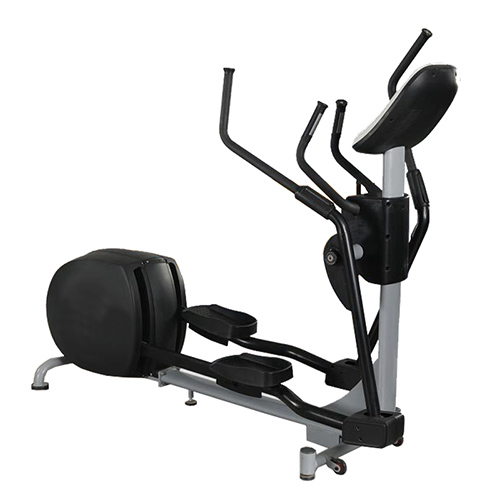
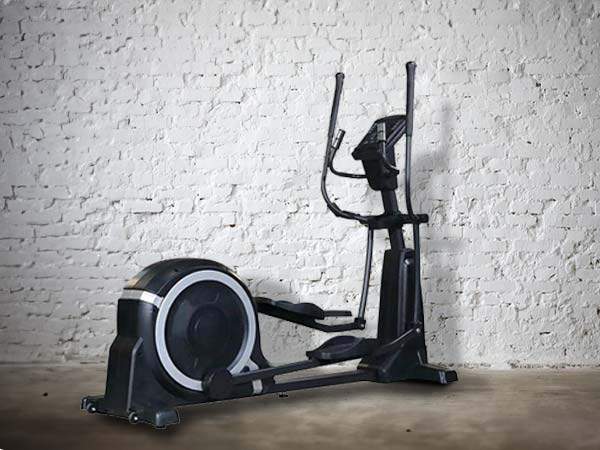
Regardless of whether you choose an elliptical trainer or rowing machine, proper maintenance is key to extending the life of your equipment.
Common Maintenance for Both
- Regular Cleaning: Wipe down the machine after each use to remove sweat and dust, which can corrode components and affect moving parts.
- Inspecting Bolts and Screws: Periodically check and tighten any loose bolts or screws to ensure stability and prevent creaks or wobbles.
- Lubrication: Consult the manufacturer’s manual for specific lubrication requirements for pivot points, wheels, or chains.
Specific to Elliptical Trainers
- Track Cleaning: If your elliptical has tracks for the wheels, keep them clean and free of debris to ensure smooth gliding.
- Wheel Inspection: Check the wheels for wear or flat spots that could affect the smoothness of the stride.
Specific to Rowing Machines
- Chain/Strap Care: For chain-driven rowers, regular oiling of the chain is essential. For strap-driven, inspect the strap for fraying.
- Flywheel/Tank Cleaning: For air rowers, keep the fan clean. For water rowers, follow instructions for water treatment to prevent algae buildup.
Conclusion
The decision between an elliptical trainer or rowing machine ultimately hinges on individual preferences, fitness goals, and physical considerations. The elliptical trainer or rowing machine offers a low-impact, balanced full-body workout with a comfortable, continuous motion, ideal for general fitness and joint protection. The rowing machine, on the other hand, delivers an incredibly intense, power-building, full-body workout with exceptional calorie-burning potential, though it requires more attention to technique. Both are outstanding investments in cardiovascular health and muscular endurance.
At Vital, we are dedicated to providing the highest quality fitness equipment to empower your success. Our ISO/CE certified products, including a wide range of elliptical trainer or rowing machine options, are designed for durability, performance, and user satisfaction, ensuring you get the most out of your investment. To explore our comprehensive range and receive expert guidance tailored to your specific needs, contact us today!
FAQ
Which machine is better for weight loss: elliptical trainer or rowing machine?
Both are highly effective for weight loss. The rowing machine often has a slight edge in calorie burn per minute due to engaging more muscles intensely, but the elliptical trainer or rowing machine might allow for longer sustained workouts due to its lower perceived exertion. Consistency on either machine will lead to results.
Is the elliptical trainer or rowing machine better for bad knees?
Both the elliptical trainer or rowing machine and the rowing machine are excellent low-impact options for individuals with knee issues, as neither involves jarring impact. The best choice depends on the specific nature of the knee issue and personal comfort. It’s always best to consult with a medical professional or physical therapist for personalized advice.
Which provides a better upper body workout, elliptical trainer or rowing machine?
The rowing machine generally provides a more intense and comprehensive upper body workout, particularly for the back (lats, rhomboids) and biceps during the powerful pulling phase. While the elliptical trainer or rowing machine engages the upper body, the primary power still comes from the lower body.
How much space do these machines typically require?
Elliptical trainers usually have a larger footprint and are less compact. Elliptical trainer or rowing machine tend to be long but many models are designed to fold vertically for more convenient storage, making them a better choice for smaller spaces when not in use.