
Table of Contents
Introduction
In a world filled with high-tech cardio tools, the elliptical machine remains one of the most effective and joint-friendly options for total-body fitness. It blends upper- and lower-body engagement, smooth motion, and calorie-burning efficiency that works for both beginners and advanced athletes.
Whether you’re outfitting a commercial gym, studio, wellness clinic, corporate fitness space, or luxury home gym, understanding how to choose the right elliptical machine matters. This guide walks you through benefits, mechanics, buying criteria, and comparisons — so you can make confident, informed decisions.
What Is an Elliptical Machine and How It Works

Low-Impact Motion With High-Intensity Potential
An elliptical machine mimics natural walking, running, and stair-climbing patterns while keeping feet fixed on pedals to reduce joint pressure. Users move in a controlled elliptical path, engaging legs, core, and upper-body simultaneously when handlebars are used.
Core Mechanical Elements
Key elements inside a professional elliptical trainer include:
- Flywheel for smooth resistance
- Belt drive system
- Adjustable stride length rails
- Dual-action handlebars
- Foot-pedal suspension or roller track
- Digital console with workout programs
These components work together to offer controlled motion, variable resistance, and multi-muscle engagement.
Front-Drive vs. Rear-Drive vs. Center-Drive
Each style influences stride feel, footprint, and training style.
- Front-Drive: compact, slightly more climb-like motion
- Rear-Drive: smoother, longer running-like stride
- Center-Drive: ultra-balanced, centered posture for natural stepping
Key Benefits of Training With an Elliptical Trainer
Full-Body Muscle Engagement
Unlike treadmills or bikes, elliptical machines train multiple groups at once:
- Quadriceps & hamstrings
- Glutes & calves
- Core stabilizers
- Upper body: biceps, triceps, shoulders, back (when using handles)
This creates efficient calorie burn and balanced muscle conditioning.
Joint-Friendly Performance
Smooth pedal motion reduces impact on knees, hips, and ankles — ideal for:
- Rehab & recovery centers
- Seniors & low-impact users
- Athletes needing cross-training without joint strain
Cardiovascular and Metabolic Benefits
Users can work through:
- Steady-state endurance sessions
- Interval training
- Resistance-focused strength-cardio mixes
- Upper and lower body isolation drills
Types of Elliptical Machines
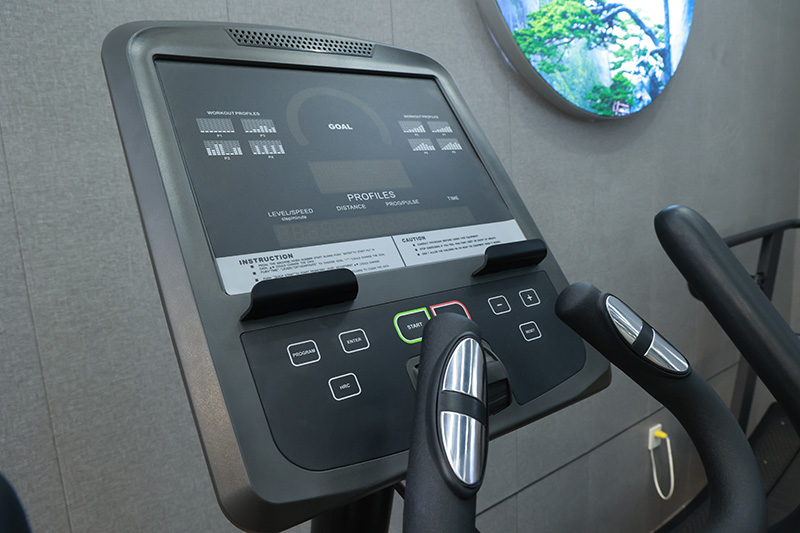
Cross-Trainer Elliptical Trainer
Dual-action handlebars + long stride cycle = full-body motion and calorie burn.
Compact & Vertical Ellipticals
Shorter stride patterns for tight commercial spaces or residential gyms.
Commercial-Grade Elliptical Trainers
Built for heavy use with features like:
- Thick steel frames
- Higher weight capacity
- Long warranty cycles
- Advanced digital screens
Essential Buying Guide for Elliptical Machines
Budget & Use Category
Ask first: Where will the elliptical trainer be installed?
- Commercial gym: highest durability
- Boutique studio: interactive experience
- Rehabilitation facility: ultra-smooth low-impact platform
- High-end home gym: compact but premium features
Key Specification Elements
Focus on these measurable specs:
- Stride length: 18″–22″ ideal
- Resistance system: magnetic preferred for smoothness
- Flywheel weight: heavier = smoother motion
- Display options: LED/TFT, app support, training modes
- Max user weight: indicates build strength
- Handlebars: multi-position for upper-body engagement
Comfort & Ergonomics
Look for elements that improve long-session comfort:
- Cushioned oversized pedals
- Multiple handle positions
- Natural hip-knee-ankle alignment
- Quiet motion for low-noise environments
Elliptical Machine vs. Other Cardio Options
Elliptical Trainer vs. Treadmill
| Feature | Elliptical | Treadmill |
|---|---|---|
| Impact Level | Low | Medium–High |
| Muscle Engagement | Upper + Lower | Lower Focused |
| Best For | Joint-friendly full-body cardio | Running & speed training |
Elliptical Machine vs. Stationary Bike
| Feature | Elliptical | Bike |
|---|---|---|
| Body Activation | Full body | Lower body |
| Motion Style | Standing | Seated |
| Benefit | Higher calorie burn potential | Great for knee rehab |
Elliptical Machine vs. Stair Climber
| Feature | Elliptical | Stair Machine |
|---|---|---|
| Motion | Horizontal + vertical | Vertical only |
| Strength Focus | Balanced | Legs & glutes emphasis |
Table: Key Design Elements of a Quality Elliptical Machine
| Performance Element | Why It Matters |
|---|---|
| Heavy flywheel | Smoother motion, better resistance |
| Long stride length | Natural running feel |
| Commercial frame | Stability & lifetime durability |
| Ergonomic footplates | Joint comfort & safety |
| Heart-rate sensors | Smart training feedback |
| Quiet magnetic resistance | Noise-free workouts |
Training Tips: Get More From an Elliptical Trainer
Interval Programming Elements
Increase intensity with:
- Resistance spikes
- Speed bursts
- Handle-pulling sprints
- Forward-backward pedaling combinations
Form Essentials
Keep these cues in mind:
- Upright posture
- Light arm engagement without leaning
- Full heel-toe push cycles
- Controlled breathing patterns
Who Should Use an Elliptical Machine?
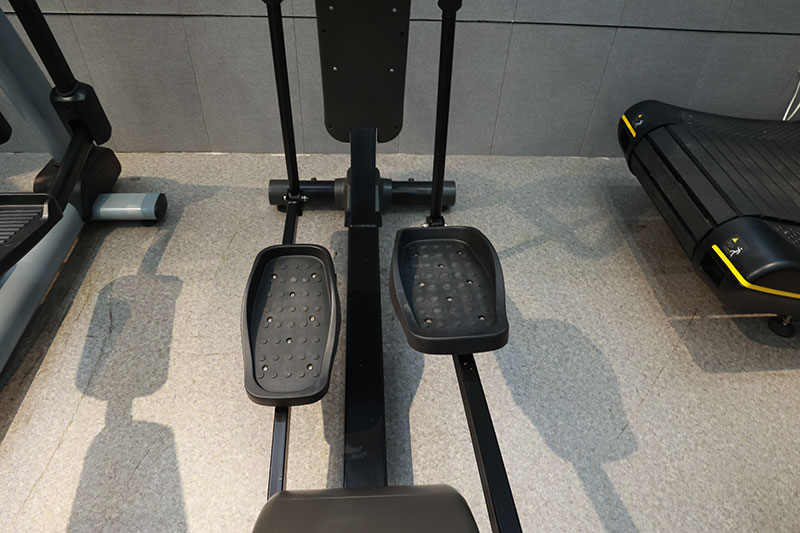
Ideal For
- Gym members seeking efficient cardio
- Low-impact fitness users
- Athletes cross-training
- Physical therapy patients
- Seniors and beginners
Also Great For Busy Facilities
- High throughput gyms
- Corporate fitness rooms
- Hotels & hospitality centers
- Residential community gyms
Conclusion
The elliptical machine remains one of the most versatile cardio tools — blending total-body activation, comfort, joint safety, and scalable intensity for every fitness level. Whether designing a modern commercial gym or enhancing a premium private space, choosing the right elliptical trainer improves training outcomes, member satisfaction, and equipment longevity.
Looking for durable, smooth, and professional-grade elliptical machines for gym or business use? Our team at sdvital specializes in commercial cardio solutions with balanced biomechanics, ergonomic design, and long-service components.
Contact us for expert guidance and tailored equipment recommendations.
FAQ
Is an elliptical machine good for beginners?
Yes. It’s intuitive, low-impact, and easy to start with safe resistance progression.
Does an elliptical burn more calories than walking?
Typically yes — it engages more muscles simultaneously and supports higher intensity work.
How long should a session on an elliptical trainer be?
Most users benefit from 20–45 minutes, depending on goals and resistance level.
Can an elliptical trainer replace running?
For many users, yes — especially those needing joint-friendly cardio alternatives.
What maintenance does a commercial elliptical trainer need?
Periodic lubrication, bolt checks, cleaning tracks, and console review. Commercial models are built for heavy daily use.