
Welcome to My Blog!
Before we dive into the content, I’d love for you to join me on my social media platforms where I share more insights, engage with the community, and post updates. Here’s how you can connect with me:
Facebook:https://www.facebook.com/profile.php?id=61553215985287
LinkedIn:https://www.linkedin.com/showcase/99329941/admin/dashboard/
Tiktok:www.tiktok.com/@shandongvitalfitness
Now, let’s get started on our journey together. I hope you find the content here insightful, engaging, and valuable.
Table of Contents
Introduction
Treadmills are one of the most popular pieces of fitness equipment, offering a convenient way to stay active regardless of the weather or time of day. With so many types of treadmills available, choosing the right one can be daunting. This comprehensive guide will help you understand the different types of treadmills, their features, benefits, and how to select the best one for your fitness goals.
Understanding the Types of Treadmills
Manual Treadmills
Characteristics and Benefits
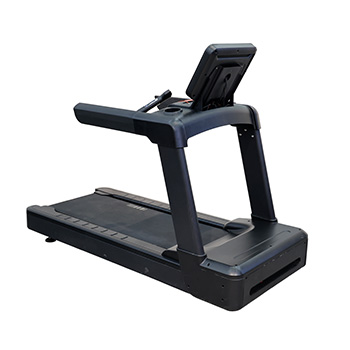
Manual treadmills are powered entirely by the user’s motion, requiring no electricity. They are typically more affordable and compact, making them ideal for small spaces and budget-conscious buyers.
- Key Features: No motor, manual belt movement, lightweight.
- Benefits: Cost-effective, portable, easy to store.
Drawbacks
While manual treadmills are budget-friendly and simple, they can be challenging to use, especially for beginners or those with joint issues, as they require more effort to start and maintain movement.
- Cons: Limited features, harder to use, less smooth motion.
Motorized Treadmills
Characteristics and Benefits
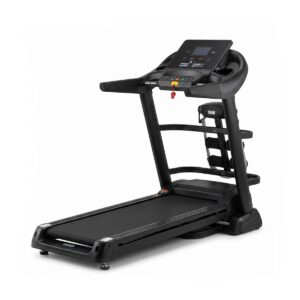
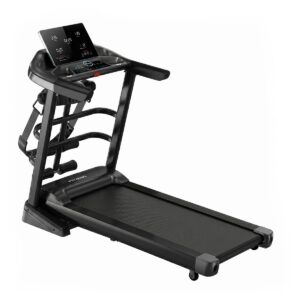
Motorized treadmills come equipped with a motor that drives the belt, providing a smoother and more consistent workout experience. They often feature various settings, including adjustable speeds, incline levels, and pre-programmed workouts.
- Key Features: Motor-powered, adjustable settings, digital displays.
- Benefits: Versatile, easier to use, more features.
Drawbacks
These treadmills are generally more expensive and require more space and maintenance compared to manual treadmills.
- Cons: Higher cost, larger footprint, more maintenance.
Folding Treadmills
Characteristics and Benefits
Folding treadmills are designed to save space. They offer the functionality of a standard treadmill with the added benefit of being foldable for easy storage.
- Key Features: Foldable design, motorized or manual options.
- Benefits: Space-saving, convenient storage, versatile.
Drawbacks
While they save space, folding treadmills can be less stable than non-folding models, especially during high-intensity workouts.
- Cons: Potential stability issues, may have fewer features.
Commercial Treadmills
Characteristics and Benefits
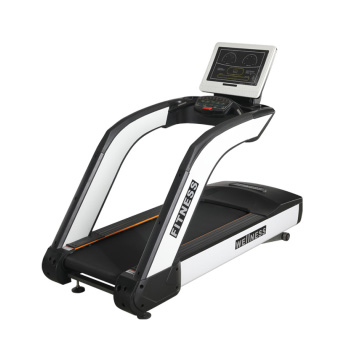
Commercial treadmills are built for durability and heavy use, commonly found in gyms and fitness centers. They offer robust construction, powerful motors, and extensive features.
- Key Features: Heavy-duty build, powerful motors, advanced features.
- Benefits: Durable, reliable, extensive workout options.
Drawbacks
These treadmills are typically very expensive and require a significant amount of space, making them less suitable for home use.
- Cons: High cost, large size, more maintenance.
Hybrid Treadmills
Characteristics and Benefits
Hybrid treadmills combine the features of a treadmill with other fitness equipment, such as an elliptical or a stepper. They provide a versatile workout experience in a single machine.
- Key Features: Multi-functional, combined features.
- Benefits: Versatile workouts, space-saving, cost-effective for multiple functions.
Drawbacks
The complexity of hybrid treadmills can make them more prone to mechanical issues, and they may not excel in any one function compared to dedicated equipment.
- Cons: Potential mechanical issues, jack-of-all-trades but master of none.
Table: Comparison of Different Types of Treadmills
| Type of Treadmill | Key Features | Benefits | Drawbacks |
|---|---|---|---|
| Manual | No motor, manual belt movement | Cost-effective, portable, easy to store | Limited features, harder to use |
| Motorized | Motor-powered, adjustable settings, displays | Versatile, easier to use, more features | Higher cost, larger footprint |
| Folding | Foldable design, motorized or manual | Space-saving, convenient storage | Potential stability issues |
| Commercial | Heavy-duty build, powerful motors | Durable, reliable, extensive options | High cost, large size |
| Hybrid | Multi-functional, combined features | Versatile workouts, space-saving | Potential mechanical issues |
Choosing the Right Treadmill for Your Needs
-
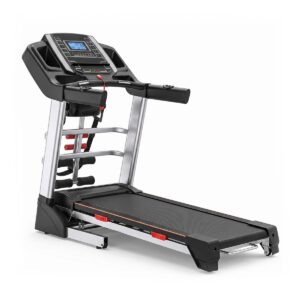
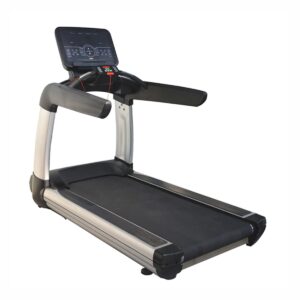
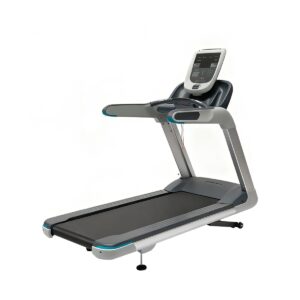
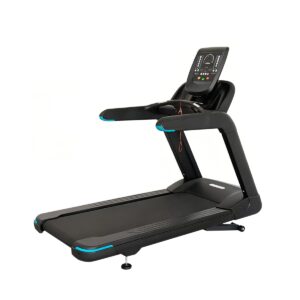
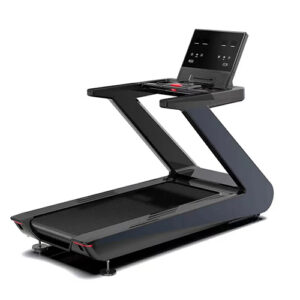
 Commercial Treadmill CP-Q6
 -
Light Commercial Treadmill-9002
-
Light Commercial Treadmill-80012
-
X10 Commercial Treadmill (Button / Touchscreen)
-
P03 Commercial Button Treadmill (Plastic Upright)
-
P02 Commercial Treadmill (Premium Aluminum Upright)
-
P01 Commercial LCD Treadmill (Aluminum Alloy Upright)
-
Commercial Treadmills V18
-
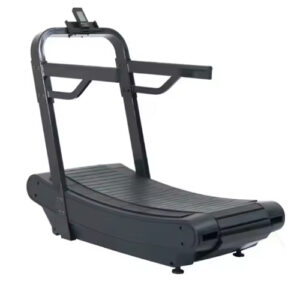
Unpowered Treadmill ZF9000
Assessing Your Fitness Goals
Weight Loss and Cardio
For those primarily focused on weight loss and cardio, a motorized treadmill with a variety of speed and incline settings can provide an effective and engaging workout.
- Recommended Type: Motorized treadmill.
- Features to Look For: Adjustable speeds, incline settings, heart rate monitors.
High-Intensity Training
If high-intensity interval training (HIIT) or other intense workouts are your goals, a commercial treadmill or a sturdy motorized treadmill with high-speed capabilities and strong build quality is essential.
- Recommended Type: Commercial or high-end motorized treadmill.
- Features to Look For: High-speed settings, robust build, advanced shock absorption.
Space and Budget Considerations
Small Spaces
For those with limited space, a folding treadmill or a compact manual treadmill can be a great solution. These models are designed to be stored easily when not in use.
- Recommended Type: Folding or manual treadmill.
- Features to Look For: Compact design, easy folding mechanism.
Budget-Friendly Options
If budget is a concern, manual treadmills are the most cost-effective option. They offer the basics without breaking the bank.
- Recommended Type: Manual treadmill.
- Features to Look For: Basic features, durability, cost-effectiveness.
User Experience and Comfort
Ease of Use
Motorized treadmills are generally easier to use, especially for beginners. Look for models with user-friendly interfaces and intuitive controls.
- Recommended Type: Motorized treadmill.
- Features to Look For: Digital displays, easy controls, preset programs.
Comfort and Stability
For a comfortable and stable workout, consider the build quality and shock absorption features. Commercial treadmills offer superior stability and cushioning, making them suitable for longer workouts.
- Recommended Type: Commercial treadmill.
- Features to Look For: High-quality build, shock absorption, wide running surface.
Exploring Core Treadmill Types
When considering adding a treadmill to your home gym, understanding the various types of treadmills available is crucial for making an informed decision. The market offers a diverse range, from basic manual models ideal for walking and light jogging to sophisticated commercial-grade machines packed with advanced features. Each of these types of treadmills caters to different fitness goals, budget constraints, and space requirements.
Manual vs. Motorized: Powering Your Workout
At the heart of the types of treadmills spectrum are manual and motorized options. Manual treadmills are powered solely by your own movement, offering a challenging workout and zero electricity consumption, making them a great eco-friendly choice. Motorized treadmills, by far the most popular, provide consistent belt speeds and often come with pre-programmed workouts, incline capabilities, and entertainment features. They are perfect for users seeking varied training intensities and a more structured workout experience.
Specialized Treadmill Varieties
Beyond the core distinctions, the types of treadmills extend to specialized options designed for unique training needs. These innovative machines push the boundaries of traditional cardio, offering diverse challenges and benefits for dedicated fitness enthusiasts.
Incline Trainers and Curved Treadmills: Upping the Challenge
For those seeking unique challenges, specialized types of treadmills like incline trainers offer extreme inclines, simulating intense climbing simulations that target glutes and hamstrings more effectively than flat running. Curved treadmills provide a more natural, self-propelled running experience; their concave shape encourages users to engage more muscles, leading to higher calorie burn and improved running form. Evaluating these distinct types of treadmills will undoubtedly guide you towards the perfect fit for your fitness journey and help you achieve specific performance goals.
Conclusion
Choosing the right treadmill involves considering your fitness goals, space, budget, and user experience. By understanding the different types of treadmills and their features, you can make an informed decision that aligns with your needs and enhances your workout routine. Whether you opt for a manual, motorized, folding, commercial, or hybrid treadmill, the right choice can help you stay active and achieve your fitness objectives effectively.
FAQ
What are the main types of treadmills available?
The main types of treadmills include manual treadmills, motorized treadmills, folding treadmills, commercial treadmills, and hybrid treadmills. Each type of treadmill is designed for specific fitness needs and preferences.
How do manual treadmills differ from motorized treadmills?
Manual treadmills are powered by the user’s movement and do not require electricity, making them more affordable and compact. Motorized treadmills, on the other hand, use a motor to drive the belt, offering adjustable speeds, incline settings, and additional features.
What are the benefits of using folding treadmills?
Folding treadmills are designed to save space when not in use. They provide the functionality of a standard treadmill with the added benefit of being foldable, making them ideal for small spaces and easy storage.
Why are commercial treadmills more expensive?
Commercial treadmills are built for heavy use and durability. They feature robust construction, powerful motors, and extensive workout options, making them suitable for gyms and fitness centers, hence their higher cost.
Can hybrid treadmills replace multiple fitness machines?
Yes, hybrid treadmills combine the features of a treadmill with other fitness equipment, such as an elliptical or stepper. This versatility allows them to provide a variety of workouts in a single machine, saving space and cost.
How do I choose the best type of treadmill for high-intensity workouts?
For high-intensity workouts, consider a commercial treadmill or a high-end motorized treadmill. These types of treadmills offer high-speed settings, strong build quality, and advanced shock absorption to handle intense exercise.
Are manual treadmills suitable for beginners?
Manual treadmills can be more challenging to use, especially for beginners, because they require more effort to start and maintain movement. They are better suited for those who want a cost-effective option and are comfortable with the physical exertion involved.
What should I look for in a treadmill for home use?
For home use, look for treadmills that are space-efficient, such as folding treadmills, and have the features that match your fitness goals, like adjustable speeds, incline settings, and pre-programmed workouts.
What makes hybrid treadmills unique among other types of treadmills?
Hybrid treadmills are unique because they combine the features of a treadmill with other fitness equipment, offering multifunctional workouts. This makes them ideal for users looking for versatile fitness options in a single machine.
How does the build quality differ among the types of treadmills?
The build quality varies significantly among the types of treadmills. Commercial treadmills typically offer the highest build quality with robust construction and powerful motors, while manual and folding treadmills may be lighter and less durable, suitable for lighter use and smaller spaces.