
Welcome to My Blog!
Before we dive into the content, I’d love for you to join me on my social media platforms where I share more insights, engage with the community, and post updates. Here’s how you can connect with me:
Facebook:https://www.facebook.com/profile.php?id=61553215985287
LinkedIn:https://www.linkedin.com/showcase/99329941/admin/dashboard/
Tiktok:www.tiktok.com/@shandongvitalfitness
Now, let’s get started on our journey together. I hope you find the content here insightful, engaging, and valuable.
Table of Contents
Introduction
Elliptical trainers, commonly known as ellipticals, are a popular choice for cardiovascular exercise equipment. They offer a low-impact workout that can benefit people of all fitness levels. With the variety of ellipticals available on the market, it can be challenging to determine which type best suits your needs. This comprehensive guide will explore the different kinds of ellipticals, their features, benefits, and how to choose the right one for your fitness goals. By understanding the options available, you can make an informed decision and maximize the effectiveness of your workouts.
What is an Elliptical Trainer?
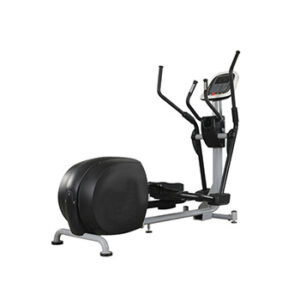
An elliptical trainer is a stationary exercise machine that simulates walking, running, or stair climbing without causing excessive pressure on the joints. This makes it an excellent option for individuals with joint issues or those seeking a low-impact workout. Ellipticals typically consist of pedals, handlebars, and a console for tracking workout metrics.
Key Benefits of Using an Elliptical Trainer
- Low-Impact Exercise: Reduces stress on joints compared to running or jogging.
- Cardiovascular Health: Improves heart and lung function.
- Full-Body Workout: Engages both upper and lower body muscles.
- Weight Loss: Effective for burning calories and losing weight.
- Convenience: Suitable for home use, allowing for flexible workout schedules.
Different Kinds of Ellipticals
There are several types of ellipticals, each designed to cater to specific workout preferences and needs. Understanding the differences between these ellipticals can help you select the right one for your fitness goals.
Front-Drive Ellipticals
Front-drive ellipticals have a flywheel located at the front of the machine. This design provides a more compact and budget-friendly option. The motion of front-drive ellipticals often mimics a stair-climbing motion, which can be more intense on the quadriceps.
Features
- Compact design
- Typically more affordable
- Mimics stair-climbing motion
Best For
- Small home gyms
- Budget-conscious users
- Quadriceps-focused workouts
Rear-Drive Ellipticals
Rear-drive ellipticals feature a flywheel positioned at the back of the machine. This design tends to offer a smoother, more natural stride that closely mimics walking or running. Rear-drive ellipticals often provide a longer stride length and better stability.
Features
- Smooth, natural stride
- Longer stride length
- Enhanced stability
Best For
- Users seeking a natural stride
- Taller individuals needing a longer stride length
- Users prioritizing stability
Center-Drive Ellipticals
Center-drive ellipticals have a flywheel located on either side of the machine, creating a centered, balanced design. This setup offers a compact footprint and provides excellent stability and a smooth, comfortable workout experience.
Features
- Balanced, centered design
- Compact footprint
- Smooth, stable motion
Best For
- Small spaces
- Users seeking balanced and stable workouts
- Those who prefer a compact machine
Table: Comparison of Elliptical Types
| Feature | Front-Drive Elliptical | Rear-Drive Elliptical | Center-Drive Elliptical |
|---|---|---|---|
| Flywheel Position | Front | Rear | Center |
| Motion | Stair-climbing | Walking/running | Balanced |
| Stride Length | Shorter | Longer | Medium |
| Stability | Moderate | High | High |
| Footprint | Compact | Larger | Compact |
| Price Range | Affordable | Higher | Moderate |
Elliptical Cross-Trainers
Elliptical cross-trainers combine the features of an elliptical trainer with those of other exercise equipment, such as a stair climber or stationary bike. These machines offer versatility and can provide a more comprehensive workout by incorporating various movements.
Features
- Versatile workout options
- Combines features of different equipment
- Engages multiple muscle groups
Best For
- Users seeking variety in their workouts
- Those wanting a comprehensive full-body workout
- Fitness enthusiasts looking for versatile equipment
Hybrid Ellipticals
Hybrid ellipticals combine the features of an elliptical trainer with another type of exercise equipment, such as a recumbent bike or treadmill. These machines are designed to offer multiple workout options in a single piece of equipment.
Features
- Multiple workout modes
- Combines elliptical with other equipment
- Space-saving design
Best For
- Home gyms with limited space
- Users seeking versatile workout options
- Those who want to switch up their routines
Table: Hybrid Elliptical Types
| Hybrid Type | Elliptical + Recumbent Bike | Elliptical + Treadmill |
|---|---|---|
| Primary Motion | Elliptical pedaling | Elliptical running |
| Additional Motion | Recumbent cycling | Treadmill walking/running |
| Space Requirements | Moderate | Larger |
| Versatility | High | High |
Folding Ellipticals
Folding ellipticals are designed for easy storage, making them ideal for home gyms with limited space. These machines can be folded up when not in use, freeing up floor space.
Features
- Foldable design for easy storage
- Compact footprint
- Lightweight and portable
Best For
- Small home gyms
- Users needing to save space
- Those who want a portable elliptical
Commercial Ellipticals
Commercial ellipticals are built for durability and heavy use, making them suitable for gyms and fitness centers. These machines often feature advanced technology, such as interactive screens and multiple resistance levels, to provide a high-quality workout experience.
Features
- Durable and robust design
- Advanced technology and features
- Designed for heavy use
Best For
- Commercial gyms and fitness centers
- Users seeking high-end features
- Those who require durable equipment
Choosing the Right Elliptical for Your Needs
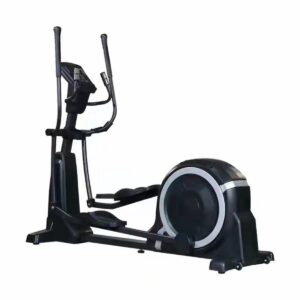
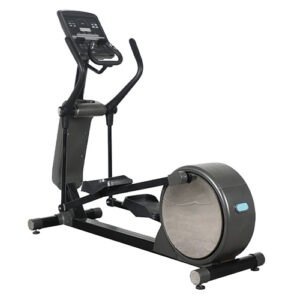
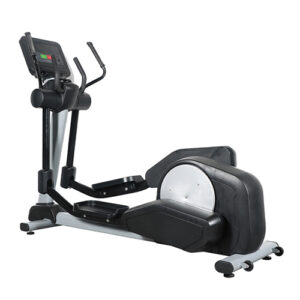
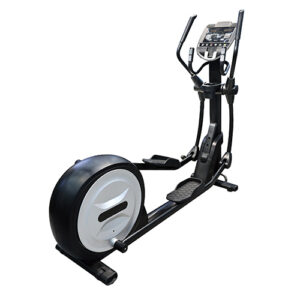
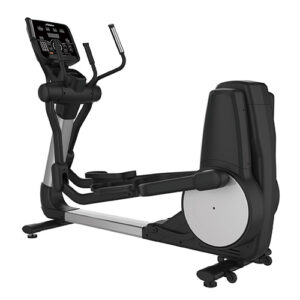
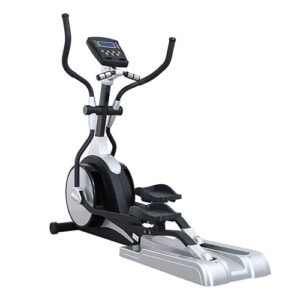
Selecting the right elliptical involves considering several factors, including your fitness goals, space availability, budget, and personal preferences. Here are some guidelines to help you make the best choice.
Fitness Goals
Your fitness goals play a significant role in determining the type of elliptical that will best suit your needs. If your goal is to improve cardiovascular health, a standard elliptical may suffice. For full-body workouts, consider an elliptical cross-trainer. If you have specific muscle groups you want to target, choose an elliptical that provides the appropriate motion and resistance.
Space Availability
Consider the space available in your home or gym. Measure the area where you plan to place the elliptical and ensure that the machine you choose fits comfortably. Folding ellipticals are an excellent option for small spaces, while center-drive ellipticals offer a compact footprint with excellent stability.
Budget
Ellipticals come in a wide range of prices, from budget-friendly models to high-end commercial machines. Determine your budget before shopping and look for an elliptical that offers the best features within your price range. Remember to consider long-term costs, such as maintenance and replacement parts.
Personal Preferences
Your personal preferences, such as stride length, motion type, and technological features, should also be considered. Test different models if possible to find the one that feels most comfortable and meets your workout needs.
Table: Factors to Consider When Choosing an Elliptical
| Factor | Considerations |
|---|---|
| Fitness Goals | Cardiovascular health, full-body workout, specific muscle targeting |
| Space Availability | Floor space, ceiling height, foldable design |
| Budget | Initial cost, maintenance, long-term costs |
| Personal Preferences | Stride length, motion type, technological features |
Maintenance and Care for Ellipticals
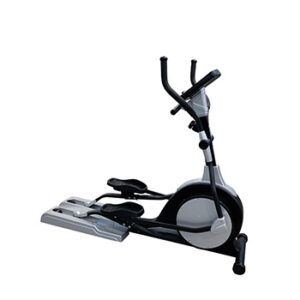
Proper maintenance and care can extend the lifespan of your elliptical and ensure it operates smoothly. Here are some maintenance tips for different kinds of ellipticals.
Regular Cleaning
- Wipe down the machine after each use to remove sweat and dust.
- Clean the console and handles with a mild disinfectant.
Lubrication
- Lubricate the moving parts as recommended by the manufacturer.
- Check the owner’s manual for specific instructions on lubrication frequency and type.
Inspection
- Regularly inspect the machine for loose bolts, worn-out parts, and other potential issues.
- Tighten any loose components and replace worn parts as needed.
Calibration
- Ensure the machine is properly calibrated to maintain accuracy in tracking workout metrics.
- Follow the manufacturer’s guidelines for calibration procedures.
Professional Servicing
- Schedule professional servicing periodically to address any complex issues and ensure the machine remains in top condition.
Table: Maintenance Checklist for Ellipticals
| Maintenance Task | Frequency |
|---|---|
| Cleaning | After each use |
| Lubrication | As per manufacturer’s recommendation |
| Inspection | Monthly |
| Calibration | Quarterly |
| Professional Servicing | Annually |
Conclusion
Choosing the right elliptical for your fitness goals involves understanding the different kinds of ellipticals available and their specific features. Whether you need a compact, foldable elliptical for a small space or a high-end commercial model for intensive workouts, there is an option to suit every need. By considering factors such as fitness goals, space availability, budget, and personal preferences, you can select the ideal elliptical to enhance your workout routine and achieve your fitness objectives. Regular maintenance and care will ensure your elliptical remains in excellent condition, providing you with a reliable and effective workout tool for years to come.
FAQ
What are the primary different kinds of ellipticals available for home use?
Generally, the main different kinds of ellipticals you’ll encounter are front-drive, rear-drive, and center-drive models. Each design impacts the feel of the workout and the machine’s footprint. We’ll delve into the specifics of these different kinds of ellipticals in our guide to help you understand their unique benefits.
How do the different kinds of ellipticals impact workout intensity and muscle targeting?
The design of different kinds of ellipticals can indeed influence your workout. For instance, front-drive ellipticals often provide a slightly steeper, stair-climbing motion, engaging the glutes and hamstrings more. Rear-drive models tend to offer a flatter, smoother stride, while center-drive ellipticals focus on a more upright posture and compact design. Understanding these nuances among the different kinds of ellipticals is key to choosing your ideal machine.
Are there different kinds of ellipticals specifically designed for small spaces or apartments?
Absolutely! When considering different kinds of ellipticals for compact living, look for models labeled as “compact” or “folding.” Center-drive ellipticals are also often favored for their smaller footprint, as their flywheel is positioned centrally, allowing for a more vertical design. Our guide details which of the different kinds of ellipticals are best suited for limited areas.
What should I consider regarding budget when looking at different kinds of ellipticals?
The price range varies significantly across the different kinds of ellipticals. Manual ellipticals are typically the most budget-friendly. Motorized models range from entry-level to high-end commercial-grade machines, with price differences tied to features like resistance levels, console technology, and build quality. Understanding the cost implications of different kinds of ellipticals helps align your choice with your budget.
Beyond the drive system, are there other different kinds of ellipticals based on resistance type?
Yes, among the different kinds of ellipticals, you’ll also find variations in resistance. Most modern ellipticals use magnetic resistance for a smooth, quiet workout. Some older or simpler models might use air resistance, while more advanced or commercial units might incorporate electromagnetic resistance for precise control. We cover these distinctions within the different kinds of ellipticals to aid your decision.