
Table of Contents
The Decline Chest Press is one of the most effective exercises for building and shaping your lower chest muscles. By targeting the lower portion of the pectoral muscles, this movement provides a balanced and fuller chest development when incorporated into your workout routine. While many people focus on flat and incline presses, the Decline Chest Press offers unique benefits, including enhancing the definition and strength of your lower chest. In this guide, we’ll break down the proper form, key considerations, and why including this exercise in your routine can lead to greater gains, especially when using specialized equipment like the Decline Chest Press Trainer.
What is the Decline Chest Press?
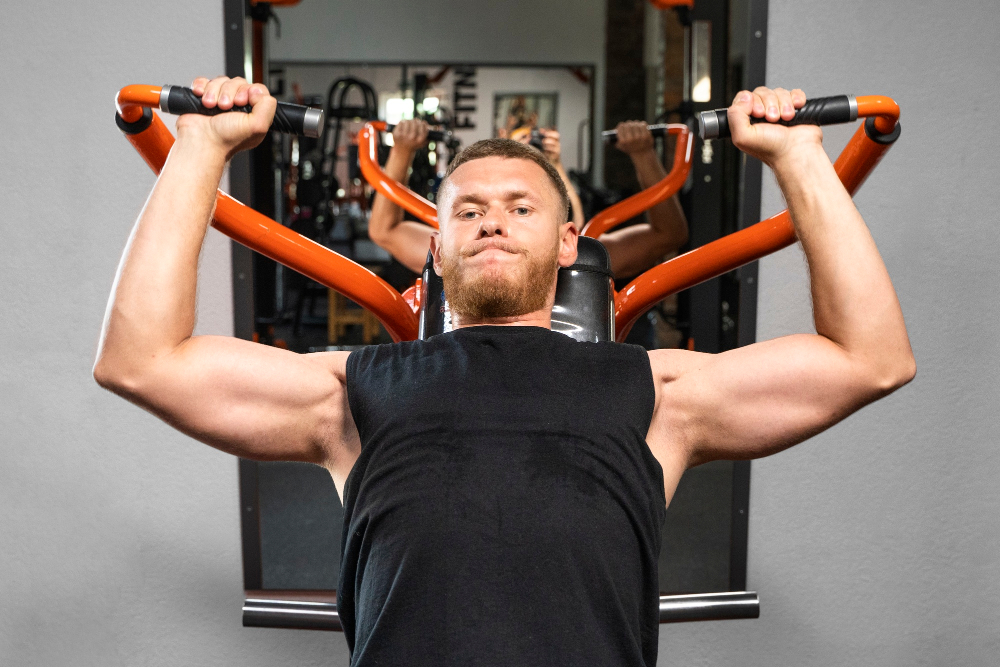
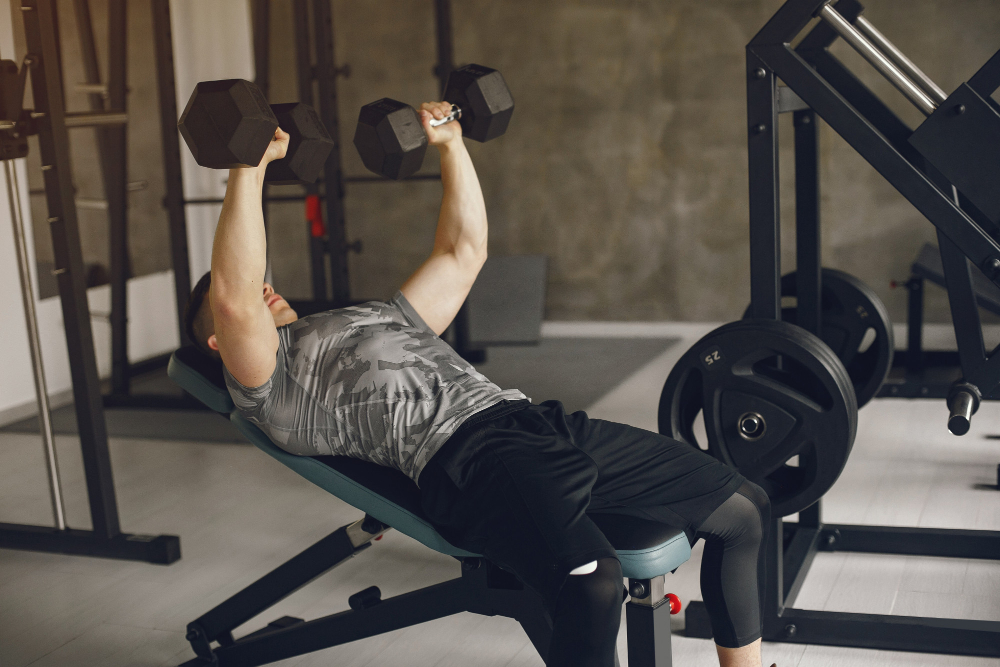
The Decline Chest Press is a variation of the traditional chest press or bench press, performed on a bench set at a decline angle. This position shifts the focus of the exercise to the lower chest, engaging the lower part of the pectoral muscles more intensely. The movement mimics the pressing action of a bench press, but the angle of decline helps target the fibers of the lower chest, which are often underdeveloped in many gym-goers. This exercise can be performed using either a barbell, dumbbells, or specialized equipment like the Decline Chest Press Trainer.
Proper Form for the Decline Chest Press
1.Setting Up Your Equipment
To start, it’s important to set up your Decline Chest Press correctly. If you’re using a Decline Chest Press Trainer, ensure that the bench is properly adjusted to a safe angle that suits your height. Most decline benches can be set at an angle between 15 to 30 degrees. If you’re new to the movement, begin with a lighter weight to ensure you’re comfortable with the form before progressing.
2.Getting Into Position
Lie flat on the bench with your feet secured on the platform or at the end of the bench. Your head, shoulders, and hips should be aligned along the bench. Grip the handles of the Decline Chest Press Trainer or the barbell with both hands slightly wider than shoulder-width apart. Lower the weight slowly towards your lower chest, keeping your elbows at a 45-degree angle to your torso. Push the weight back up in a controlled manner to complete one rep.
3.Breathing Technique
Breathing plays a crucial role in maintaining control throughout the exercise. Inhale as you lower the weight towards your chest, and exhale as you press the weight back up. This ensures stability and helps you maintain your rhythm, preventing unnecessary strain on your joints and muscles.
Benefits of the Decline Chest Press
Focused Lower Chest Development
The main benefit of the Decline Chest Press is its ability to target the lower pectoral muscles. This area of the chest can sometimes be harder to engage with traditional flat bench presses. By performing the Decline Chest Press, you can achieve more balanced chest development, creating a fuller, more sculpted appearance. This exercise is particularly beneficial for those looking to enhance the lower chest, which adds definition and strength to the entire chest region.
Improved Strength and Performance
Incorporating the Decline Chest Press into your workout routine can lead to improved overall strength. Since the exercise involves a pressing motion similar to the traditional bench press, it allows you to lift heavier weights compared to exercises that target smaller muscle groups. Strengthening the lower chest will also have a positive impact on other pushing exercises such as overhead presses and push-ups, helping you perform better in these movements as well.
Increased Range of Motion
Unlike some chest exercises that might not provide a full range of motion, the Decline Chest Press allows you to bring the weight lower toward your chest. This greater range of motion provides a more complete contraction of the chest muscles and improves overall muscle engagement during the lift. Using specialized equipment like the Decline Chest Press Trainer can further enhance this motion, providing additional stability and support for better control.
How to Incorporate the Decline Chest Press into Your Routine
Combine with Other Chest Exercises
While the Decline Chest Press is effective on its own, combining it with other chest exercises can provide a more comprehensive workout. Pair it with the flat bench press to target the upper and middle chest, or include an incline dumbbell press to hit the upper chest. By alternating between these exercises, you can ensure that all areas of your pectorals are being engaged effectively, leading to balanced chest development.
Set a Training Frequency
For optimal results, aim to include the Decline Chest Press in your chest workout routine at least once or twice a week. Depending on your goals, you can adjust the frequency and volume to suit your needs. Beginners may start with fewer sets and lighter weights, while advanced lifters can perform multiple sets with progressively heavier loads to stimulate muscle growth.
Progressive Overload
As with any resistance training exercise, progressive overload is key to continuous improvement. Start with a weight that you can handle comfortably and gradually increase the load as you become stronger. This approach will ensure that you’re consistently challenging your muscles, leading to greater muscle growth and strength over time.
Common Mistakes to Avoid with the Decline Chest Press
Using Too Much Weight
One of the most common mistakes in the Decline Chest Press is attempting to lift too much weight too soon. While it’s tempting to push yourself with heavy weights, using more than you can handle can compromise your form and lead to injuries. Start with a manageable weight and focus on perfecting your technique before increasing the load.
Arching the Back
Another mistake is arching your back excessively during the press. This can place unnecessary strain on your lower back and lead to discomfort or injury. Keep your back pressed against the bench throughout the movement, and avoid overextending your spine. This will help ensure a safe and effective workout.
Conclusion
The Decline Chest Press is an excellent exercise for targeting the lower chest, improving strength, and enhancing overall chest development. Whether you’re a beginner or an experienced lifter, incorporating this movement into your workout routine can bring significant benefits. Using specialized equipment like a dedicated decline press machine can further enhance your performance by providing stability and precision during the press. Focus on proper form, gradual progression, and combine it with other chest exercises to maximize your results and build a strong, well-defined chest.