
Table of Contents
Introduction
Choosing between a spinning bike vs stationary bicycle is one of the most common decisions buyers face when setting up a home gym or upgrading commercial fitness equipment. While both machines aim to improve cardiovascular fitness, their structure, biomechanics, and training output differ significantly. Understanding how a spinning bike compares to a stationary bicycle helps you make a smarter, more cost-efficient investment—especially if long-term durability and training performance matter to you.
In this guide, you’ll find detailed comparisons, data-based insights, expert recommendations from a manufacturing perspective, and a practical table to help you choose the right equipment for your goals.
What Makes a Spinning Bike Different from a Stationary Bicycle?

Although many users casually compare a spinning bike vs stationary bicycle, the two machines serve different purposes in real training environments. A spinning bike is designed for high-intensity cycling sessions with a heavier flywheel, allowing smooth momentum and resistance similar to road biking. A stationary bicycle, on the other hand, focuses more on comfort, low-impact workouts, and steady cardio suitable for long-term users of all fitness levels.
When gyms select between a spinning bike vs stationary bicycle, the decision usually depends on training style, customer demographics, and maintenance expectations.
Structural and Mechanical Comparison
Understanding the mechanical differences between a spinning bike vs stationary bicycle is essential before making a purchase decision. The chart below summarizes key distinctions:
| Feature | Spinning Bike | Stationary Bicycle |
|---|---|---|
| Typical Flywheel Weight | 13–20 kg | 5–10 kg |
| Riding Posture | Forward-leaning, road cycling style | Upright, relaxed |
| Resistance System | Friction or magnetic | Fully magnetic |
| Best for | HIIT, endurance, high-calorie burn | Low-impact training, general fitness |
| Adjustability | High (seat + handlebar multi-positions) | Moderate (upright seat, limited handlebar) |
| Target Users | Athletes, group cycling enthusiasts | Beginners, seniors, rehab users |
| Maintenance | Medium to high | Low |
This comparison shows that a spinning bike vs stationary bicycle offers different performance benefits depending on the user’s training intention.
Calorie Burn & Workout Performance
According to data from widely referenced fitness metabolic charts, high-intensity cycling can burn between 400–700 calories per hour, depending on body weight and workout intensity. Because spinning bikes support more aggressive riding positions and stronger momentum, high-intensity training is easier to achieve. Therefore:
- A spinning bike typically delivers higher calorie burn
- A stationary bicycle focuses on consistent, joint-friendly cardio
If your training goal focuses on weight loss or performance improvement, comparing a spinning bike vs stationary bicycle clearly shows that spinning bikes offer higher metabolic output. However, for long-term adherence and comfort, many users still prefer stationary bicycles.
Comfort & User Experience
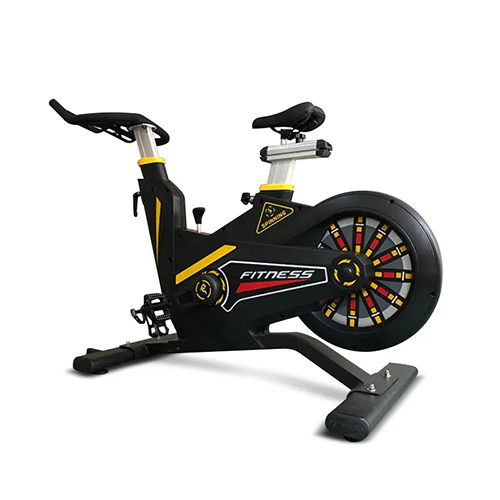
One of the major purchase criteria when deciding between a spinning bike vs stationary bicycle is comfort. Stationary bicycles typically include larger saddles, more upright geometry, and smoother resistance levels. These features suit:
- Office workers seeking gentle cardio
- Elderly users needing joint-friendly exercise
- Recovery and physical therapy programs
Spinning bikes intentionally replicate the feel of outdoor cycling, offering higher training output but less comfort during long casual rides. For gyms offering group cycling classes, however, spinning bikes remain the top choice because they allow synchronized intensity and fast cadence changes.
Durability & Maintenance Factors
From a manufacturing perspective, the durability difference between a spinning bike vs stationary bicycle comes from the resistance system and mechanical design.
- A friction-based spinning bike may require regular pad replacement and flywheel cleaning
- A magnetic stationary bicycle offers minimal maintenance and longer part life
- Spinning bikes are exposed to heavier user output, so frames must be reinforced
When purchasing for a commercial gym, understanding these distinctions helps extend equipment lifespan and reduce service downtime.
Which One Should You Choose?
When comparing a spinning bike vs stationary bicycle, your final decision should be based on training goals, user demographics, and long-term usage needs.
Choose a spinning bike if you want:
- High-intensity interval training
- Faster calorie burn
- Outdoor cycling simulation
- Stronger resistance and momentum
Choose a stationary bicycle if you want:
- Low-impact cardio
- Better seat comfort
- User-friendly operation
- Long, relaxed cycling sessions
The choice between a spinning bike vs stationary bicycle becomes clearer when aligning the machine’s strengths with your actual fitness goals or customer requirements.
Conclusion
If you’re evaluating the differences between a spinning bike vs stationary bicycle for personal training or commercial facility setup, professional guidance can help you avoid wrong purchases and unnecessary costs. At Shandong Vital Fitness Equipment Co., Ltd., we manufacture high-quality cardio equipment with industry-level precision and long-term durability.
FAQ
What is the biggest difference when comparing a spinning bike vs stationary bicycle?
The main difference is training intensity and riding posture. A spinning bike is built for high-intensity cycling with a heavier flywheel and a forward-leaning position that replicates road cycling. A stationary bicycle offers a more upright, comfortable ride with lighter resistance. When evaluating a spinning bike vs stationary bicycle, the spinning bike delivers stronger performance output, while the stationary bicycle provides better long-term comfort.
Is a spinning bike better for weight loss than a stationary bicycle?
In most cases, yes. Because a spinning bike supports higher cadence and resistance levels, users naturally burn more calories during intense sessions. Fitness data widely used in the industry shows that vigorous cycling on a spinning bike can burn 20–35% more calories compared with moderate cycling on a stationary bicycle. However, steady workouts on a stationary bicycle can still support weight-loss goals, especially for beginners or those who prefer low-impact routines.
Which machine requires less maintenance in the long term?
A stationary bicycle generally requires less maintenance because it commonly uses a magnetic resistance system and has fewer components exposed to heavy mechanical force. With a spinning bike vs stationary bicycle, spinning bikes—especially friction-resistance models—need periodic pad replacement, belt or chain tension checks, and cleaning around the flywheel. For commercial gyms, choosing the right structure can significantly reduce service costs.