
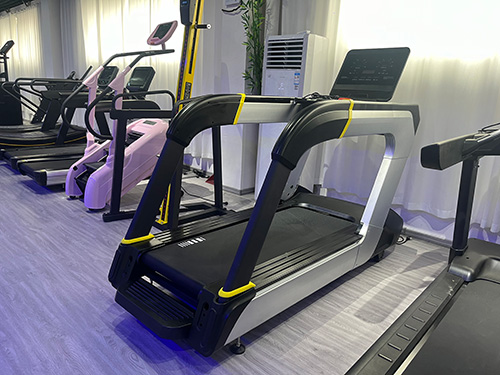
When it comes to outfitting a gym or fitness club, selecting the right commercial treadmill is a crucial decision. These machines are specifically designed to withstand high-intensity, continuous usage, which makes them ideal for busy environments like gyms, hotels, and wellness centers. Commercial treadmills are built for durability, long-term performance, and safety, offering a different set of features than their residential counterparts. This guide will help you navigate the key factors to consider when purchasing a commercial treadmill.
Table of Contents
Key Features of Commercial Treadmills
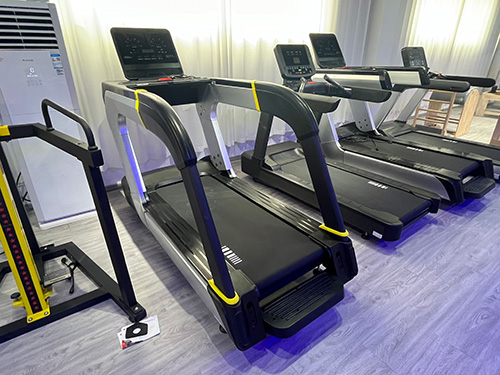
1. Durability and Build Quality
Commercial treadmills are designed for maximum durability, as they need to endure hours of continuous use without breaking down.
- Heavy-duty Construction: These treadmills typically have robust frames made from commercial-grade steel or aluminum. The solid build ensures the machine can support heavy use while maintaining structural integrity and stability.
- High Weight Capacity: Commercial treadmills generally offer higher maximum user weight limits. This is a crucial feature for maintaining the machine’s longevity, as a higher weight capacity indicates a stronger frame and components.
- Durable Components: Parts such as the running belt, motor, and deck should be able to withstand constant use while delivering consistent performance. These machines are designed to minimize maintenance needs, reducing downtime and repair costs.
- Long Lifespan: With proper maintenance, commercial treadmills can last for 10 years or more. A well-maintained treadmill will continue to deliver excellent performance throughout its lifespan.
2. Motor Power
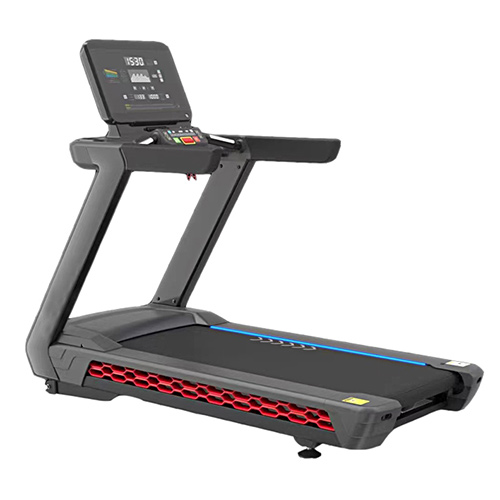
The motor power is one of the most important aspects of a commercial treadmill, as it affects the machine’s ability to handle heavy usage.
- Motor Power Importance: The motor’s power is measured in horsepower (HP) and determines the machine’s performance under continuous operation. A higher HP allows the treadmill to run smoothly without overworking, which is essential in high-traffic areas.
- Recommended Power: For a commercial treadmill, look for at least a 3.0 HP continuous-duty motor to ensure reliable performance and durability. For example, the SDvital Anti-slip Treadmill – T9 features a 3.0 HP AC motor, which provides excellent endurance and smooth operation even in high-usage conditions.
- AC vs. DC Motors: AC motors are typically preferred for commercial treadmills because they offer more power, require less maintenance, and provide consistent performance over time. However, they may consume more electricity. DC motors, often found in home treadmills, are quieter, more energy-efficient, and offer quicker acceleration, but they are not as robust for commercial use.
3. Running Surface
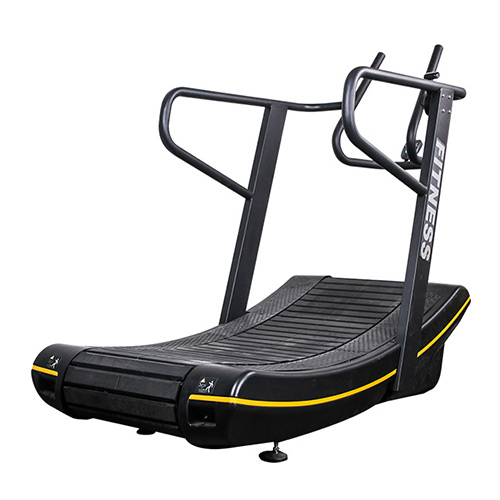
The running surface, or treadmill belt, is critical for user comfort and safety. A well-designed running surface helps reduce injury risk while providing a more enjoyable running experience.
- Size: A comfortable running surface should be at least 20 inches wide and 60 inches long to accommodate various user heights and stride lengths. For example, the Shock Absorbing Treadmill – T7 offers a 3310*590 mm running belt for optimal space.
- Types of Belts:
- Slat Belt: Made of individual slats, this design offers excellent durability and shock absorption, evenly dispersing impact and reducing stress on joints. The 6-Speed Adjustable Treadmill—ZF8900 uses a curved aluminum or nylon belt for a superior running experience.
- Traditional Belt: Offers a smoother feel and is often preferred for its simplicity. Traditional belts tend to provide more consistent motion but may wear down quicker than slat belts.
4. Cushioning System
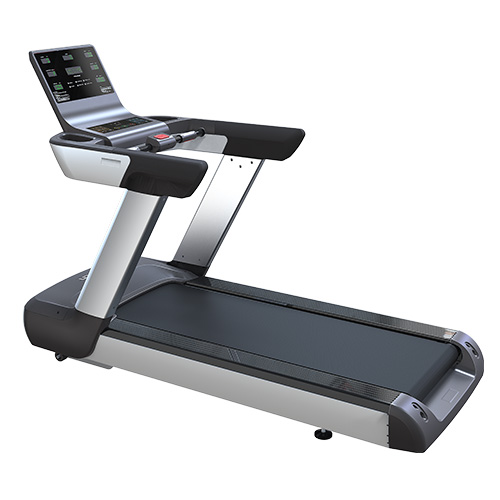
A good cushioning system is essential for protecting the joints and enhancing user comfort during workouts.
- Impact Absorption: Effective cushioning systems reduce the shock of each footfall, alleviating joint pressure and reducing injury risks. For instance, the Shock Absorbing Treadmill—T7 features an excellent shock absorption system, offering both safety and comfort during runs.
- Extended Durability: Cushioned systems also help preserve the lifespan of the treadmill by reducing the wear and tear on its components, especially the deck and belt.
5. Incline and Decline Settings
Incline and decline settings enhance workout intensity and diversity, providing a more engaging running experience.
- Incline: A treadmill with incline capabilities can simulate uphill running, engaging various muscle groups such as the calves, hamstrings, and glutes. An ideal commercial treadmill should offer at least a 15% incline.
- Decline: Decline settings allow users to simulate downhill running, targeting the quads and improving balance and coordination. The combination of incline and decline settings provides a more versatile and challenging workout.
6. Safety Features
Safety is a priority in any commercial treadmill. These features help prevent accidents and ensure the machine is safe for all users.
- Emergency Stop Button or Safety Key: This allows users to stop the treadmill quickly in case of an emergency.
- Handrails: Side handrails offer extra stability and support, which is especially useful for beginners or users who need assistance.
- Low Step-up Height: A low step-up height reduces the risk of tripping when getting on or off the treadmill.
- Anti-slip Surface: Non-slip belts and surfaces increase user safety by preventing accidental falls.
- Heart Rate Monitors and Alerts: Built-in heart rate monitors help users stay within a safe and effective heart rate zone. Alerts can notify users if their heart rate is too high or too low.
- Smooth Start/Stop Mechanism: This ensures a gradual transition when the treadmill begins or stops, preventing sudden jolts that could lead to falls.
7. User-friendly Console
A treadmill with an intuitive console is essential for a smooth user experience.
- Easy-to-Navigate Interface: The control panel should be user-friendly, enabling both beginners and advanced users to navigate the settings easily.
- Advanced Features: Many commercial treadmills offer customizable workout programs, virtual classes, and app integrations to keep users engaged. These features can enhance the user experience and increase membership retention in gyms.
- Technology Integration: Bluetooth compatibility, wearable support, and high-definition touch screens are becoming common features, allowing users to connect with fitness apps like iFIT and track their progress seamlessly.
8. Maintenance Features
Commercial treadmills require regular maintenance to ensure they continue performing at their best.
- Self-lubricating Belts: Some treadmills come with self-lubricating belts, which minimize the need for manual lubrication, reducing maintenance time and cost.
- Accessible Parts for Easy Maintenance: Easy access to critical components such as the motor and belt makes it easier for technicians to conduct repairs and replacements.
- Regular Cleaning and Maintenance: To extend the treadmill’s lifespan, users should clean the treadmill after each session, vacuum the motor area monthly, lubricate the belt, and check for any wear and tear.
Commercial Treadmill Comparison Table
| Feature | Description |
|---|---|
| Build Quality | Sturdy frame made from steel or aluminum, supports heavy usage |
| Motor Power | Minimum 3.0 HP continuous-duty motor for durability |
| Running Surface Size | At least 20″ x 60″ for comfort and safety |
| Cushioning System | Shock-absorbing technology to reduce joint stress |
| Incline/Decline | At least 15% incline and decline settings for varied workouts |
| Safety Features | Emergency stop button, non-slip surface, and heart rate monitoring |
| User Interface | Easy-to-navigate controls and advanced workout options |
| Maintenance Requirements | Self-lubricating belt, accessible components, and regular cleaning |
Conclusion
Choosing the right commercial treadmill for your gym involves considering several key factors: durability, motor power, running surface, cushioning, incline/decline settings, safety features, user interface, and ease of maintenance. Each of these features will ensure your equipment can handle high traffic and provide a safe and enjoyable workout experience for users.
Investing in a high-quality commercial treadmill is an investment in your gym’s success. By choosing wisely, you’ll provide your clients with a reliable and effective piece of equipment that meets their fitness needs for years to come.
Ready to upgrade your gym equipment?
Contact us today to find the perfect commercial treadmill for your facility! Our expert team is here to help you make the best choice for your gym’s needs.
FAQ
What motor power is ideal for a commercial treadmill?
A motor with at least 3.0 HP continuous-duty power is recommended for durability and smooth performance in high-traffic areas.
What is the recommended treadmill running surface size?
A running surface of at least 20″ x 60″ provides ample space for various user heights and stride lengths.
Why is a cushioning system important for a treadmill?
A good cushioning system reduces joint stress and helps prevent injuries during high-impact workouts.
How often should a commercial treadmill be maintained?
Regular cleaning, lubrication of the belt, and monthly checks on motor components will keep the treadmill in optimal condition.
What incline settings should a commercial treadmill have?
An ideal commercial treadmill should have at least a 15% incline for simulating uphill runs and providing a more challenging workout.