
Table of Contents
Indoor cycling is no longer a niche fitness trend — it’s a cornerstone of modern cardio training. From boutique cycling studios to large-scale commercial gyms, the commercial spinning bike has become a core investment for facilities aiming to deliver high-intensity, low-impact workouts backed by data, technology, and performance adaptability.
This guide explores what makes a commercial spinning bike different, how to select one, performance-boosting training ideas, maintenance frameworks for gym operators, and answers to the most searched gym-owner questions online. Whether you’re building a cycling room from scratch or upgrading aging inventory, this article will help align your equipment decisions with long-term facility needs.
Why Commercial Spinning Bikes Dominate Modern Indoor Fitness
The Evolution of Indoor Cycling
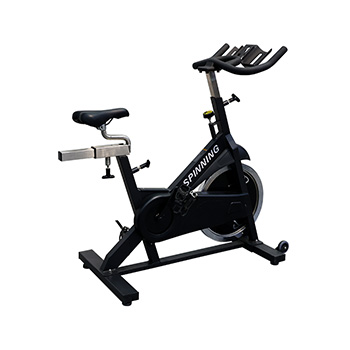
Indoor cycling started as a simple endurance tool. Now it blends interval training, power-based programming, and immersive music-driven experiences. A commercial spinning bike today isn’t just a stationary cycle — it’s a precision tool engineered for durability, biomechanics, and class engagement.
Benefits of Indoor Cycling for Gyms
Indoor cycling delivers high ROI:
- Works for all fitness levels
- High member retention for group classes
- Low space requirement per station
- Strong appeal for weight loss & cardio clients
- Excellent for low-impact training and rehabilitation
Why Your Gym Needs a Commercial-Grade Model
Commercial environments require durability beyond home or light studio machines. Expect higher user frequency, long running hours, and consistent resistance performance.
Investing in commercial spinning bikes protects class revenue and reduces long-term maintenance costs — a win for both operators and members.
Key Features Every Commercial Spinning Bike Should Have
Durable Commercial-Grade Frame
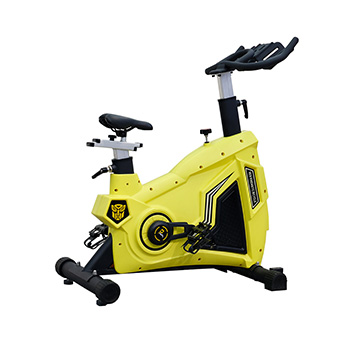
A strong frame prevents wobbling, absorbs force during intense climbs, and supports users across all training levels.
Elements to compare:
- Industrial-grade steel or aluminum construction
- Anti-corrosion surface treatments
- Stability enhancement feet
- Weld quality and weight capacity
Smooth Belt-Drive or Chain-Drive System
A belt-drive system is most common for commercial spinning bikes due to quiet operation and low upkeep. Chain drives can feel closer to road cycling but require more lubrication.
Checklist:
- Noise output
- Feel (road-like vs. smooth)
- Maintenance frequency
- Replacement availability
Magnetic Resistance System
Magnetic resistance delivers precise control, smooth transitions, and long-term stability.
Resistance criteria:
- Multi-level adjustable range
- Repeatable power output
- No contact friction parts for reduced wear
Adjustable Ergonomics for Every Rider
Indoor cycling attracts users of all heights, experience levels, and body types.
Important adjustability elements:
- Multi-position handlebars
- Fore-aft & vertical seat adjustments
- Quick-release adjustment knobs
- Saddle comfort & grip texture
Performance Metrics: What Gym Owners Should Look For
Flywheel Weight & Inertial Smoothness
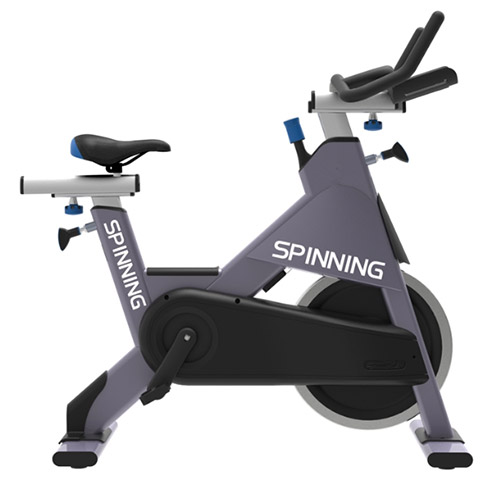
Heavier flywheels create steady, fluid motion — but engineering matters more than weight alone. Balance, gearing ratio, and resistance tuning affect feel and power transfer.
Digital Metrics & Training Integration
Modern commercial spinning bikes often support data feedback systems for members and coaches:
Data elements worth having:
- RPM
- Power (watts)
- Cadence zones
- Distance & calories
- Heart rate compatibility
Noise & Studio Acoustics
Low noise means coaches can run clear, energetic sessions without fixed mic strain.
Common noise contributors:
- Belt tensioning
- Bearing quality
- Flywheel balancing
- Pedal interface design
Spinning Class Programming & Member Engagement
Indoor Cycling Class Formats
Commercial spinning bike programs often include:
- Rhythm-based cycling
- Power-zone endurance rides
- High-intensity sprint intervals
- Hill climbing & resistance endurance sessions
- Mixed training (HIIT + core circuits)
Sample Ride Structure (45 Minutes)
- Warm-up: 5 minutes
- Strength hill sets: 10 minutes
- Speed intervals: 15 minutes
- Rhythm ride recovery: 10 minutes
- Cool down: 5 minutes
Coaching Elements That Boost Retention
Members return when they feel guided and energized.
Coaching checklist:
- Clear cadence and RPM cues
- Inspiring music & class rhythm
- Progression program for member milestones
- Technique guidance & posture reminders
Maintenance Plan for Long-Term Commercial Use
Daily Checks
- Wipe sweat & dust from frame
- Inspect pedal straps
- Confirm resistance dial movement
Weekly Routine
- Check belt tension
- Lubricate seat & handlebar rails
- Tighten screws & bolts
Quarterly Servicing
- Inspect bearings & drive components
- Replace worn pedal straps or saddles
- Check stability leveling pads
Long-term maintenance prevents breakdowns and protects revenue.
Commercial Spinning Bike vs Home Spin Bike
| Feature | Commercial Model | Home Model |
|---|---|---|
| Frame strength | Heavy-duty, reinforced | Light to medium |
| Resistance | Magnetic precision | Mixed |
| Lifespan | 5–10 years | 1–5 years |
| Ride feel | Premium stability | Depends on build quality |
| User volume | Designed for high frequency | Designed for personal use |
Choosing the Right Commercial Spinning Bike for Your Studio
Space Planning
- 6–8 bikes for small studios
- 10–30 bikes for group cycling rooms
- 1–1.2 meters spacing per bike
Purchasing Considerations
- Warranty terms
- OEM branding options
- Bulk shipping cost & crate protection
- After-sales parts availability
If you’re outfitting a club or boutique cycling studio, choose scalable equipment with consistent parts supply, commercial warranty, and stable dealer support.
Conclusion
Commercial spinning bikes are more than cardio machines — they are versatile training platforms that support endurance athletes, beginners, and high-intensity class communities. With the right build quality, resistance system, and durability, they anchor long-term membership engagement and studio profitability.
Well-designed indoor cycling systems enhance biomechanics, reduce impact stress, and amplify member motivation. If your facility values energy, connection, and measurable results, commercial spinning bikes are essential equipment investments.
FAQ
What’s the ideal flywheel range for commercial use?
Most professional studios choose mid-to-heavy flywheel systems with precision bearings for smooth ride feel. Quality is more important than weight alone.
How often should commercial spinning bikes be serviced?
Light wipe daily, bolt checks weekly, lubricant and mechanical checks monthly. Consistency keeps downtime low.
Are magnetic resistance bikes better?
For most commercial uses, yes. They’re smoother, quieter, and require less replacement maintenance.
Do I need built-in screens for group cycling?
Not necessarily. Screens work great for hybrid classes and data-driven sessions, but rhythm-ride studios often prefer a clean, immersive environment.
How long does a commercial spinning bike last?
With proper maintenance: 5–10 years or more in commercial use.
Ready to Equip Your Studio?
Need guidance choosing the right commercial spinning bike models for your facility?
Our team supports commercial gyms, boutique studios, hospitality fitness centers, and rehab facilities.
Contact us for tailored recommendations, layout support, and bulk fitness equipment options.
Kick-start your cycling studio with commercial-grade equipment designed for performance and longevity.
Contact us today and request a quote — your members will feel the difference from day one.