
Table of Contents
Introduction
The global fitness industry continues to evolve rapidly, and at the center of this transformation lies commercial gym equipment — the backbone of every professional fitness facility. Whether you operate a boutique studio, a corporate wellness center, or a large-scale fitness franchise, the quality and configuration of your gym equipment define not just the member experience but also your brand reputation and ROI.
In 2025, choosing and maintaining the right commercial gym equipment requires more than checking off a list of machines. You need to understand your target members, training zones, durability standards, and new trends such as smart integration and modular training systems.
This guide, created by sdvital, a trusted global supplier of professional fitness equipment, will walk you through the essential categories, selection criteria, setup layouts, and care strategies to help you build a modern, efficient, and future-ready gym.
What Defines Commercial Gym Equipment?
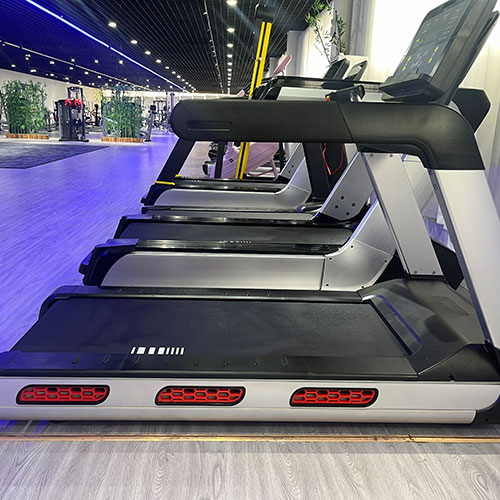
Commercial gym equipment refers to high-durability machines and training tools designed for continuous, high-volume use in gyms, studios, hotels, or corporate wellness facilities.
Unlike residential models, commercial units are built with reinforced steel frames, industrial-grade motors, and longer duty cycles to ensure reliability under constant use.
Key Characteristics of Commercial Gym Equipment
- Heavy-duty steel or aluminum frames
- Continuous duty motors (2.5–5.0 HP) for cardio units
- Dual or multi-function resistance systems
- Certified safety compliance (ISO, CE, EN standards)
- Serviceable parts and long-term warranty coverage
Categories of Commercial Gym Equipment
To create a balanced and engaging workout environment, a professional gym must include a mix of cardio, strength, functional, and recovery zones.
Aerobic Equipment
Machines designed to improve cardiovascular endurance and calorie burn.
Popular types include:
- Treadmills for walking, jogging, and high-speed sprints
- Ellipticals for low-impact full-body workouts
- Exercise bikes for spin or endurance training
- Rowing machines to engage 80% of the muscles
- Vertical climbers and ski machines for advanced HIIT
Strength Equipment
Tools that target muscle growth, endurance, and stability.
Main categories include:
- Selectorized machines with weight stacks
- Plate-loaded strength units
- Smith machines and power racks
- Multi-functional trainers and benches
- Dumbbells, barbells, and resistance accessories
Functional & Group Training Equipment
For dynamic, space-efficient workouts and group sessions:
- Suspension trainers
- Kettlebells and medicine balls
- Plyo boxes and battle ropes
- Modular rigs and multi-station frames
Recovery & Wellness Equipment
As recovery becomes a key fitness trend in 2025, recovery zones now include:
- Massage guns and vibration platforms
- Foam rollers and stretching cages
- Cryotherapy or infrared recovery tools
Key Specifications and Technical Parameters
Below is a quick reference table summarizing essential specifications when selecting commercial gym equipment:
| Category | Recommended Specs | Notes |
|---|---|---|
| Treadmill | 3.5–5.0 HP AC Motor, 0–20 km/h, 0–15% incline | Prefer brushless motor models |
| Bike | 20–35 kg flywheel, magnetic resistance | Suitable for spin classes |
| Strength Machine | 50–150 kg weight stack, steel frame | Look for adjustable seats and grips |
| Rowing Machine | Air + magnetic dual resistance | Ideal for HIIT circuits |
| Functional Rig | Modular steel, wall-mounted or free-standing | Customize with accessories |
| Recovery Tools | Silent motors, adjustable frequency | For stretching & cool-down areas |
How to Choose the Right Commercial Gym Equipment
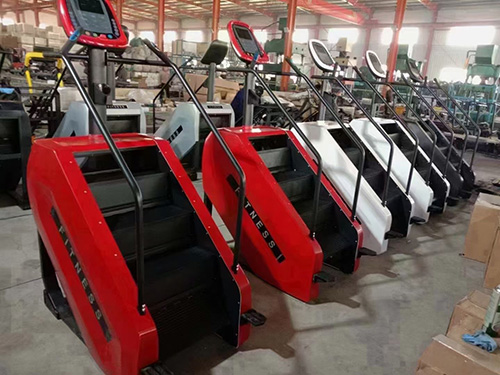
Define Your Business Model
Before purchasing, identify your gym type and target audience:
- Boutique Studio: compact, multi-functional equipment
- Large Gym: full commercial cardio and strength lines
- Hotel/Corporate: quiet, space-saving equipment
- Rehab Center: low-impact adjustable systems
Evaluate Durability and Warranty
Always request technical sheets and warranty details. Commercial-grade machines should offer at least:
- Frame: 5–10 years
- Motor/Drive System: 3–5 years
- Wearable Parts: 1–2 years
Smart Integration and Connectivity
Modern machines now integrate with fitness apps, wearables, and IoT systems. Consider Bluetooth, Wi-Fi, or NFC-compatible models for tracking and analytics.
Layout and Space Planning for Commercial Gyms
Recommended Zone Allocation
A well-structured gym layout ensures safety, flow, and efficiency.
| Zone | Recommended Space | Key Elements |
|---|---|---|
| Cardio Area | 40% | Rows of treadmills, bikes, rowers |
| Strength Zone | 35% | Machines, racks, benches |
| Functional Zone | 15% | Open space, rigs, mobility tools |
| Recovery Zone | 10% | Foam rollers, stretching mats, massage area |
Electrical and Ventilation Tips
- Use grounded outlets and consistent voltage for cardio units
- Maintain 50–70 cm clearance between machines
- Ensure proper air circulation for comfort and safety
Maintenance and Care Essentials
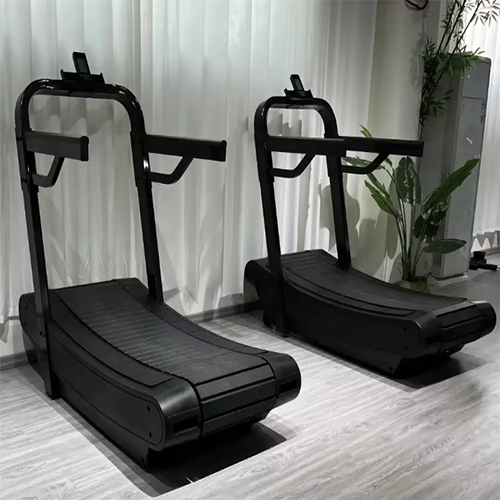
Commercial gym equipment performance depends on consistent preventive maintenance.
Daily Routine
- Wipe consoles and handles after each use
- Inspect belts, pulleys, and grips
- Vacuum under and around treadmills
Weekly and Monthly Tasks
- Lubricate treadmill belts
- Tighten screws and frame joints
- Inspect cables, stacks, and moving parts
- Calibrate digital consoles
Annual Inspection
Partner with certified technicians for deep servicing, software updates, and performance calibration.
OEM and Customization Options
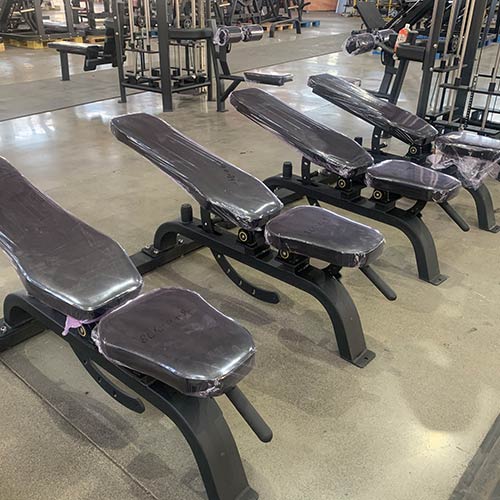
As a professional manufacturer and supplier, sdvital offers full OEM and branding solutions for international partners.
Customizable Elements
- Frame color and coating style
- Logo placement and method (laser, UV, or silk print)
- Upholstery materials and color options
- Smart console interface design
Bulk Order & Packaging
- Minimum order: 5–10 units per model
- Export-safe packaging with assembly guides
- CAD-based layout planning available
Comparing Commercial vs Home Gym Equipment
| Aspect | Commercial Equipment | Home Equipment |
|---|---|---|
| Durability | Built for continuous daily use | Moderate-duty |
| Frame Material | Reinforced steel | Lightweight alloy |
| Cost | Higher investment | Lower price |
| Maintenance | Scheduled servicing | Minimal care |
| User Capacity | Dozens per day | 1–2 users |
Commercial gym equipment delivers better ROI, long-term reliability, and professional performance for fitness operators and franchise owners.
Conclusion
Investing in commercial gym equipment is one of the most important decisions for any fitness business owner. The right machines, proper layout, and consistent care can define your gym’s reputation, attract loyal members, and ensure a profitable return over time.
At sdvital, we combine precision engineering, ergonomic design, and durability to provide full-scale solutions for commercial gyms, studios, and wellness centers worldwide.
Ready to elevate your fitness space?
Contact us today for a personalized consultation, layout plan, and exclusive access to our professional commercial gym equipment catalog.
FAQ
What is the lifespan of commercial gym equipment?
Typically 8–12 years with regular cleaning, lubrication, and professional maintenance.
How often should I service treadmills and strength machines?
Clean daily, lubricate monthly, and schedule an annual technical inspection.
Can I order gym machines with custom branding?
Yes. sdvital provides OEM customization for logo, frame color, and digital interface.
How much space do I need to start a gym?
A small commercial gym can operate efficiently in 50–80 square meters with smart zoning.
What certifications should I look for?
Ensure all products comply with ISO20957, CE, and EN957 safety and quality standards.