
Introduction
In the world of fitness equipment, elliptical machines have gained immense popularity for their low-impact yet effective workout capabilities. These machines provide a full-body workout, making them a favorite among gym-goers and home fitness enthusiasts alike. However, with a variety of types of elliptical machines available in the market, choosing the right one can be a daunting task. In this comprehensive guide, we will explore the different types of elliptical machines, their unique features, and help you make an informed decision on selecting the best fit for your fitness needs.
Understanding Elliptical Machines

Before delving into specific types, it’s crucial to understand the basic concept and benefits of elliptical machines. Ellipticals simulate movements like walking, running, and climbing stairs while minimizing impact on joints, making them ideal for low-impact yet effective workouts. Key benefits include cardiovascular conditioning, calorie burning, and full-body engagement.
Types of Elliptical Machines
Standard Elliptical Machines
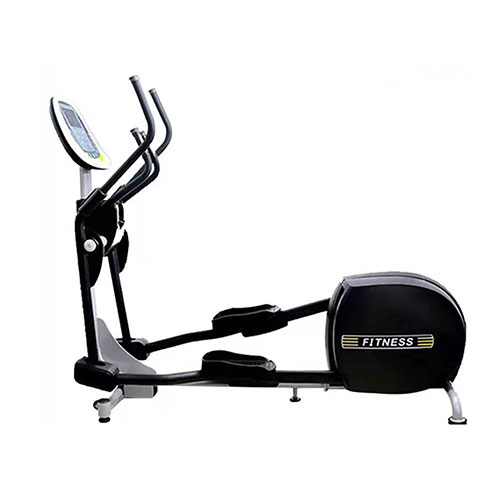
Standard elliptical machines are the most common type found in gyms and fitness centers. They typically come with a set of handlebars for upper body workout and foot pedals for lower body exercise. These machines offer a smooth and natural elliptical motion that mimics walking, jogging, or running, making them suitable for users of all fitness levels.
Cross-Trainer Elliptical Machines
Cross-trainer elliptical machines, also known as elliptical trainers, are designed to provide a total body workout by incorporating both forward and reverse pedaling motions. These machines offer adjustable resistance levels, incline settings, and preset workout programs to target different muscle groups and fitness goals. Cross-trainers are ideal for users looking to challenge themselves with more intense workouts.
Compact Elliptical Machines
Compact elliptical machines are space-saving alternatives to traditional ellipticals, making them perfect for home gyms or small workout spaces. These machines typically have a smaller footprint and foldable design for easy storage. Despite their compact size, they offer similar workout features and functionalities as standard elliptical machines, making them a convenient choice for users with limited space.
Hybrid Elliptical Machines
Hybrid elliptical machines combine the features of an elliptical trainer with other fitness equipment, such as a recumbent bike or a stepper. These versatile machines allow users to switch between different workout modes, providing a diverse range of exercises to target various muscle groups. Hybrid ellipticals are suitable for users seeking a multifunctional fitness machine for a full-body workout experience.
Interactive Elliptical Machines
Interactive elliptical machines are equipped with advanced technology features, such as touchscreen displays, internet connectivity, and interactive workout programs. These machines offer immersive workout experiences with virtual training sessions, live coaching, and personalized fitness tracking. Interactive ellipticals are perfect for tech-savvy users looking to stay motivated and engaged during their workouts.
Comparison Table of Different Types of Elliptical Machines
| Features | Standard Elliptical | Cross-Trainer Elliptical | Compact Elliptical | Hybrid Elliptical | Interactive Elliptical |
|---|---|---|---|---|---|
| Upper Body Workout | ✓ | ✓ | ✓ | ✓ | ✓ |
| Lower Body Workout | ✓ | ✓ | ✓ | ✓ | ✓ |
| Total Body Workout | ✓ | ✓ | |||
| Adjustable Resistance | ✓ | ✓ | ✓ | ✓ | ✓ |
| Space-Saving Design | ✓ | ||||
| Multifunctional | ✓ | ||||
| Interactive Features | ✓ |
How to Choose the Right Elliptical Machine
When selecting the right elliptical machine for your needs, consider the following factors:
Space: Assess the available space in your home or gym to determine whether a standard or compact elliptical is more suitable.
Budget: Determine your budget range and explore elliptical machines within that price range, considering features and functionalities.
Features: Identify the features that are important to you, such as adjustable resistance levels, pre-programmed workouts, or heart rate monitoring.
Stride Length: Consider your height and stride length preferences to ensure a comfortable and effective workout experience.
Reviews and Recommendations: Research customer reviews and seek recommendations from fitness experts to gain insights into the performance and durability of different elliptical models.
Conclusion: Types of Elliptical Machines
In conclusion, choosing the right type of elliptical machine depends on your fitness goals, available space, and personal preferences. Whether you opt for a standard elliptical for a basic workout, a cross-trainer for a total body challenge, a compact elliptical for space efficiency, a hybrid elliptical for versatility, or an interactive elliptical for a high-tech experience, there is a perfect fit for everyone. By understanding the unique features of each type of elliptical machine, you can make an informed decision to enhance your fitness journey and achieve your health and wellness goals.
FAQs
What is the difference between a standard elliptical and a cross-trainer elliptical?
A standard elliptical typically offers a basic elliptical motion with handlebars for upper body workout, while a cross-trainer elliptical provides a total body workout with forward and reverse pedaling motions and adjustable resistance levels.
Are compact elliptical machines as effective as standard ellipticals?
Compact elliptical machines offer similar workout features and functionalities as standard ellipticals, making them equally effective for users with limited space.
Can interactive elliptical machines help me stay motivated during workouts?
Interactive elliptical machines come with advanced technology features and interactive workout programs to keep users engaged and motivated during their fitness routines.
Are cross-trainer ellipticals suitable for beginners?
Cross-trainer ellipticals can be suitable for beginners, as they offer versatility and allow users to target multiple muscle groups. However, it’s essential to start with low intensity and gradually increase the difficulty as you progress.