
Introduction
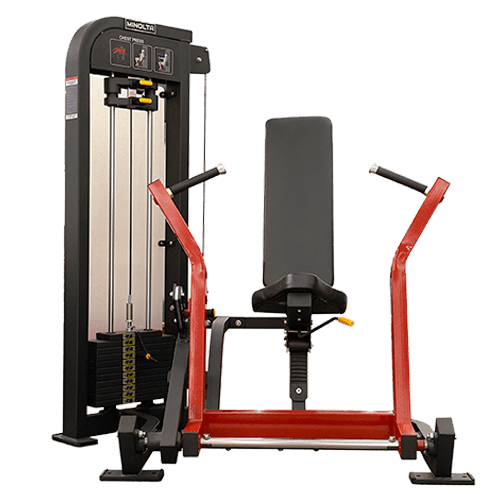
In the realm of fitness, the chest machine press stands as a cornerstone exercise, effectively targeting the pectoral muscles, the primary muscles responsible for chest strength and definition. This comprehensive guide delves into the intricate world of chest machine press exercises, exploring their benefits, techniques, variations, and safety considerations. We will also provide a table summarizing the key points discussed, empowering you to incorporate chest machine presses into your workout routine with confidence and effectiveness.
Benefits of Chest Machine Presses
Sitting chest press machines offer a multitude of benefits that make them an essential exercise for building a strong and defined chest:
- Effective Muscle Targeting: Sitting chest press machines isolate and effectively target the pectoral muscles, including the pectoralis major, pectoralis minor, and anterior deltoids.
- Strength and Definition: Regular sitting chest press machines can significantly increase chest strength, leading to improved athletic performance and a more defined chest appearance.
- Reduced Injury Risk: The guided nature of sitting chest press machines minimizes joint stress and the risk of injury compared to free-weight exercises.
- Versatility for All Fitness Levels: Sitting chest press machines can be adapted to suit individuals of all fitness levels, from beginners to experienced athletes.
- Easy to Learn and Perform: The simple setup and guided motion make sitting chest press machines easy to learn and perform even for those new to exercise.
Technique for Optimal Results
To maximize the benefits of sitting chest press machines, proper technique is crucial:
- Seat Adjustment: Adjust the seat height so that your feet are flat on the floor and your arms are slightly bent when the handles are fully retracted.
- Hand Positioning: Grip the handles with a neutral grip, hands slightly wider than shoulder-width apart.
- Pressing Motion: Press the handles forward, maintaining a controlled and smooth motion. Exhale as you press and inhale as you return to the starting position.
- Range of Motion: Aim for a full range of motion, allowing your chest to stretch fully at the bottom and contracting your chest muscles at the top.
- Core Engagement: Engage your core muscles throughout the exercise to maintain stability and prevent back strain.
Variations for Added Challenge
To keep your workouts challenging and target different muscle fibers, consider incorporating variations of the sitting chest press machines:
- Incline Sitting chest press machine: Adjust the seat to an incline position to emphasize the upper portion of the pectoral muscles.
- Decline Chest Machine Press: Adjust the seat to a decline position to focus on the lower portion of the pectoral muscles.
- Single-Arm Chest Machine Press: Perform the exercise with one arm at a time to improve unilateral strength and coordination.
- Close-Grip Chest Machine Press: Bring your hands closer together to focus more on the triceps muscles.
- Wide-Grip Chest Machine Press: Widen your hand grip to engage more of the outer pectoral muscles.
Safety Considerations for a Worry-Free Workout
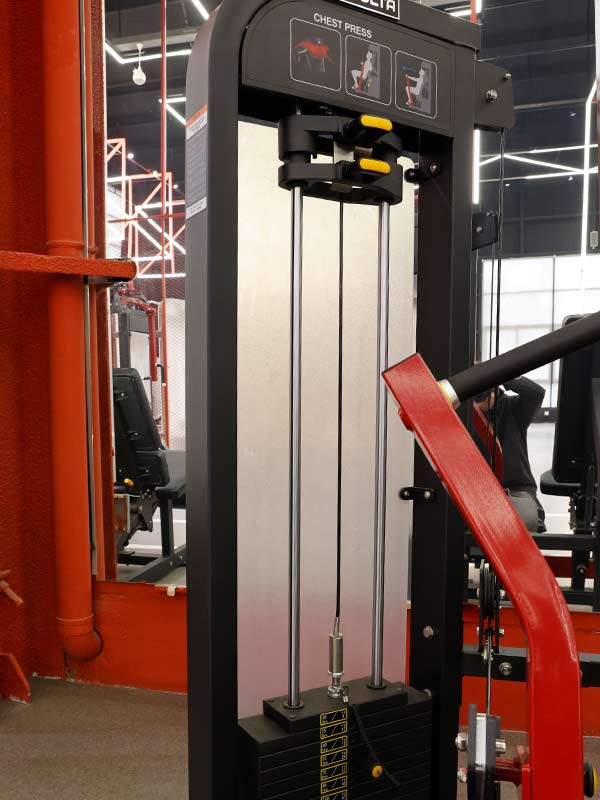
To ensure a safe and effective sitting chest press machine experience, follow these guidelines:
- Warm-Up: Before starting, warm up with light cardio and dynamic stretches to prepare your muscles for the exercise.
- Start with Light Weight: Begin with a manageable weight and gradually increase the load as you progress.
- Maintain Proper Form: Focus on proper technique throughout the exercise to avoid injury.
- Listen to Your Body: If you experience any pain, stop the exercise and consult a fitness professional.
- Seek Guidance: If you are new to exercise, seek guidance from a certified personal trainer to ensure proper form and safety.
Table: Summary of Chest Machine Press Variations and Their Targeted Muscles
| Variation | Targeted Muscles |
|---|---|
| Standard Chest Machine Press | Pectoralis major, pectoralis minor, anterior deltoids |
| Incline Chest Machine Press | Upper pectoralis major |
| Decline Chest Machine Press | Lower pectoralis major |
| Single-Arm Chest Machine Press | Unilateral pectoral muscles, core |
| Close-Grip Chest Machine Press | Triceps muscles, inner pectoral muscles |
| Wide-Grip Chest Machine Press | Outer pectoral muscles |
Conclusion: Elevate Your Fitness with Chest Machine Presses
Chest machine presses stand as a valuable tool in the pursuit of a strong and defined chest. By understanding the benefits, techniques, variations, and safety considerations associated with this exercise, you can incorporate sitting chest press machines into your workout routine effectively and safely. Remember, consistency, proper form, and gradual progression are key to achieving your fitness goals. Embrace the challenge, push your limits, and witness the transformation of your chest and overall fitness.
FAQ
Q: What is a sitting chest press machine, and how does it differ from other chest exercises?
A: A chest machine press is a strength training exercise that involves pushing weights away from the body using a machine equipped with handles or grips. Unlike free weight exercises like the bench press, the chest machine press provides stability and support, making it suitable for individuals with limited experience or strength.
Q: What muscles does the sitting chest press machine work?
A: The chest machine press primarily targets the pectoral muscles (chest), but it also engages the anterior deltoids (front shoulders) and triceps (back of the arms). By adjusting the angle of the machine or grip position, you can emphasize different areas of the chest and shoulders.
Q: Is the sitting chest press machine suitable for beginners?
A: Yes, the chest machine press can be an excellent exercise for beginners, as it provides stability and support compared to free weight exercises. It allows individuals to focus on proper form and technique without the need for balancing or stabilizing weights.
Q: How can I adjust the sitting chest press machine to target different areas of my chest?
A: Most chest machine press machines allow you to adjust the seat height, backrest angle, and grip position to target different areas of the chest. For example, using a higher seat and narrower grip can emphasize the upper chest, while a lower seat and wider grip may target the lower chest.
Q: Can the chest machine press help improve my bench press strength?
A: Yes, incorporating the chest machine press into your workout routine can complement your bench press training and help improve overall upper body strength. While the chest machine press provides stability and support, the bench press requires greater stabilization and coordination, leading to a more comprehensive upper body workout.